
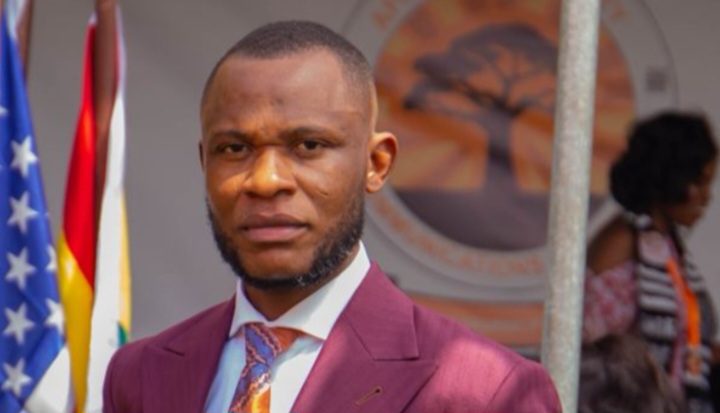
Samuel Huntor, the media liaison for the Ministry of Food and Agriculture, has pointedly criticised the Attorney-General and Minister of Justice, Dr Dominic Ayine, asserting that his tenure has been marked by a profound lack of effectiveness.
Huntor noted that the minister is yet to demonstrate any genuine commitment towards the prosecution of individuals alleged to have defrauded the state, leading to a growing sense of public frustration.
The recent High Court ruling, which declared several cases prosecuted by the Office of the Special Prosecutor (OSP) as null and void, has significantly damaged the government’s standing.
Huntor condemned the Attorney-General’s Department for filing a response that appeared to support an individual currently challenging the OSP’s legality before the Supreme Court. While the Constitution vests the primary power of prosecution in the Attorney General, Huntor reminded the public that the OSP was established by an Act of Parliament to serve a specific purpose.
Specifically, Section 4 of Act 959 stipulates that, unless otherwise provided by the Constitution, the OSP is not subject to the direction or control of any individual or authority in the performance of its functions.
Under Article 88, Clause 4 of the Constitution, the Office is authorised by the Attorney-General to initiate and conduct the prosecution of corruption-related offences.
Samuel Huntor highlighted that Section 78 of the OSP Act outlines the necessary regulations for these functions, which were originally established by the former attorney-general, Gloria Akuffo.
The Act was designed to ensure the OSP remains an independent body, supported by the instruments provided by previous attorneys general.
Consequently, Samuel Huntor finds it baffling that the current administration is seemingly undermining the OSP’s existence.
He noted that an individual currently under prosecution is the one challenging the office’s legality, a move that led the Accra High Court to quash existing OSP cases while the substantive matter remains before the Supreme Court.
This legal instability has derailed high-profile cases, including those involving former Finance Minister Ken Ofori-Atta.
Speaking on Frontline on Rainbow Radio 87.5FM, he stated that the OSP had already initiated vital processes, including extradition efforts, which have now been compromised.
Discussing the fallout, he stated: “The outcome of the High Court ruling has affected the government negatively. Take a look at the case involving Ken Ofori-Atta. It was the OSP that initiated the process, but the outcome of the case shows that the OSP does not even have the authority to pursue the matter. The processes it started have been quashed. The state claims Ken Ofori-Atta caused financial loss to the state and paid the OSP to prosecute him; yet, we have a situation where the court has declared that as null and void. The question is: who has incurred financial losses, the OSP or the state?”
When asked whether he would support the removal of the Attorney-General, Samuel Hunter suggested a public evaluation, stating that if a Facebook poll were conducted to allow Ghanaians to assess the Attorney-General’s performance, the outcome would be obvious.
He further asserted that despite the enormous powers vested in the attorney general’s office, there have been no significant achievements to show for it.
He cited the ‘Operation Recover All Loot’ initiative, where over 2,000 documents were handed over to the Attorney-General, yet very little action has been taken.
Additionally, he noted that while the attorney general held press conferences alleging involvement by 12 individuals in the National Service Authority scandal, only two suspects have been brought to court. Similarly, despite claims of a comprehensive investigation into the National Cathedral project last year, no one is currently standing trial.
“So, can we not ask the attorney-general what he has used his enormous powers for and why he is chasing after the ‘small power’ the OSP is wielding? We would have supported the attorney-general to go after the OSP if he had achieved something positive and the OSP had not.”
He maintained that the attorney-general must become more proactive, as the Ghanaian public is rightfully demanding accountability.
He expressed deep concern that should the Supreme Court eventually declare the OSP unconstitutional, it would mean the state has wasted precious time on suspects like Ken Ofori-Atta, leaving the government with limited time to restart prosecutions from scratch.
By: Rainbowradioonline.com/Ghana