Prince Kontonkyi, a Ghanaian national currently residing in South Africa, has warned that xenophobic violence against fellow African nationals, including Ghanaians, could escalate significantly if left unaddressed.
He reported that the recent wave of hostility began in East London, a suburb in the Eastern Cape, where South African mobs began targeting shops owned by foreign nationals.
According to Kontonkyi, the destruction was not limited to commercial properties; cars, private homes, and residential apartments known to belong to foreigners were also ransacked and destroyed.
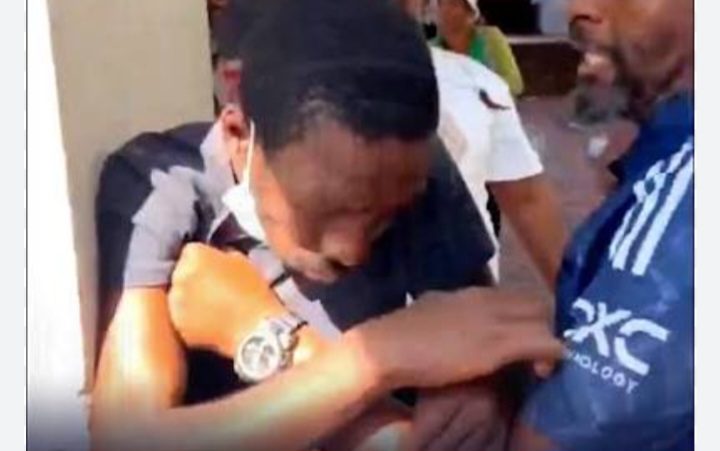
Speaking on Nyankonton Mu Nsem on Rainbow Radio 87.5FM, he detailed the harrowing extent of the unrest, noting that attackers have even entered hospitals to forcibly remove foreign nationals seeking medical treatment.
Describing the atmosphere of fear, he informed the news team that their safety and lives are at grave risk.
Panic has set in because locals have threatened to intensify the violence, specifically citing April 27th as a day for a planned demonstration.
Historically, such protests often serve as a catalyst for the widespread looting of foreign-owned businesses.
Kontonkyi disclosed that while Ghanaians were largely spared during previous outbreaks of xenophobia, they are no longer being excluded from the current violence.
He indicated that the Ghanaian community is living in fear, further alleging that the South African police have remained passive.
He claimed that officers often stand by and watch as the attacks unfold without intervening.
When questioned about the motives behind the unrest, he explained that some black South Africans accuse foreigners of stealing local jobs and “marrying their women,” only to later abandon them with children.
He also noted allegations that foreigners are responsible for the drug trade, which locals claim has led to a rise in addiction among South African citizens.
Kontonkyi disputed these allegations, describing them as entirely false. Given the volatile environment, he has advised Ghanaians planning to travel to South Africa to postpone their trips until the situation is resolved.
He stressed the severity of the healthcare crisis, stating that if a person is identified as a foreigner at a hospital, they risk being attacked or turned away.
He concluded by suggesting that because the country is preparing for upcoming elections, the government appears indifferent to the plight of the victims.
By: Rainbowradioonline.com/Ghana