
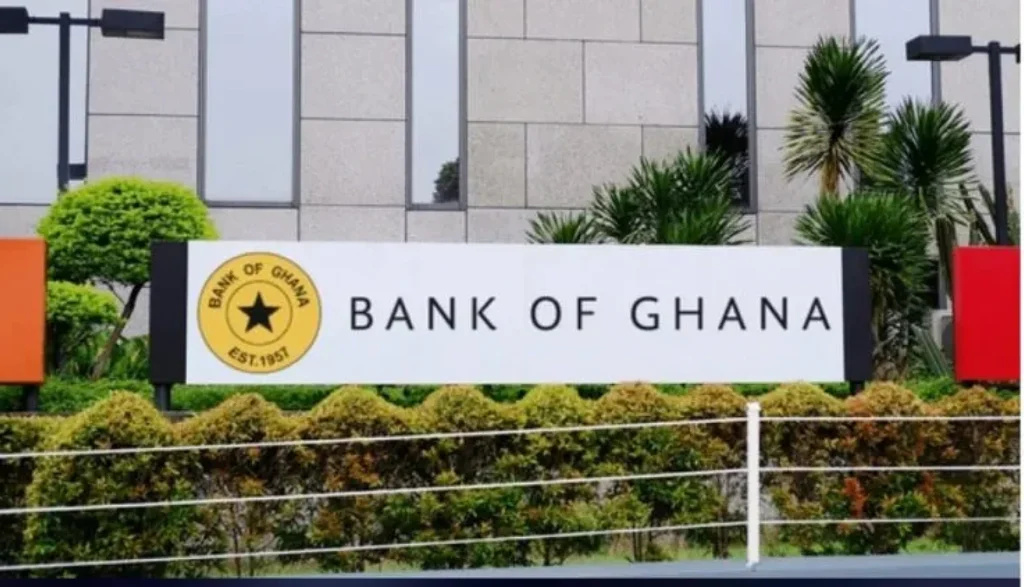
The Bank of Ghana’s regulatory credibility has been severely damaged following the Court of Appeal’s order to restore the licence of GN Savings and Loans Company.
Chartered Banker and Accountant Nana Obiri Yeboah warned that the ruling challenges the legal foundation of the central bank’s controversial banking sector clean-up and could open the floodgates for a wave of costly lawsuits against the regulator.
“The outcome of the court’s decision challenges the legal foundation on which the central bank revoked the licence of GN or engaged in the banking sector clean-up,” Yeboah stated.
“It can open the doors for additional lawsuits against the BoG. The most challenging aspect is that the case has damaged the regulatory credibility of the BoG. It renders their reasons for the revocation as unfair, as the court stated.”
Speaking on ‘As it is in Ghana’ on Rainbow Radio 87.5FM (Ghana) and 92.4FM (UK), the financial expert strongly advised the central bank against appealing the judgment.
Instead, he urged both the BoG and GN Savings and Loans to find common ground on the best way forward.
Turning his attention to the financial institution itself, Yeboah argued that the owners face a Herculean task in reviving operations after being out of business for seven years.
He stressed that returning to the public arena under the old brand would be disastrous, advising immediate and drastic restructuring.
“To be honest with you, GN Savings and Loans coming back into the public arena with the same name, they are going to suffer. If they should consult me, the best advice I will give them is that they must sell off or transfer to completely independent managers altogether.”
Questioning whether the public is ready to trust and transact business with the institution again, he noted that survival will be impossible without a complete corporate overhaul.
“So if they want to bounce back, I think there should be a complete change of everything. The name GN must change. They can come back as an SME Savings and Loans. Then their colours, branding, what they stood for, and ownership must change. Research has shown that financial institutions across the globe have faced difficulties in bouncing back.”
By: Rainbowradioonline.com/Ghana