
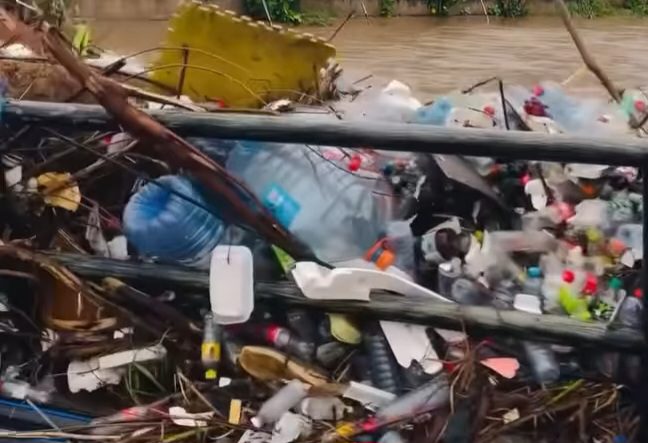
The Greater Accra Regional Director of the National Disaster Management Organisation (NADMO), Mr Denis Adjannor Nartey, has stated that most flooding during rainfall is caused by human activity.
Speaking on Nyankonton Mu Nsem on Rainbow Radio 87.5FM, he explained that citizens often throw rubbish into drains, blocking the flow of water and causing floods.
He added that, in some cases, the government spends extra resources to construct drainage systems only for them to be damaged later by public behaviour.
Mr Adjannor Nartey called on Ghanaians to stop such practices and show patriotism by protecting public infrastructure for the country’s benefit.
Flooding in Greater Accra has reached alarming levels, posing severe threats to lives, property, and economic stability.
The region faces increasingly frequent and devastating floods that have become a recurring nightmare for residents, particularly during the rainy season.
Recent downpours in May 2026 once again triggered widespread flooding across Accra, with communities blaming the crisis on inadequate drainage systems.
The NADMO Director stated that they have measures in place to mitigate the negative impact of the flooding situation, but cautioned the public against the indiscriminate disposal of waste into drains, as it has a long-term effect on human safety.
Meanwhile, he also cautioned the public to avoid seeking shelter at fuel stations when it is raining, noting that it is highly risky.
Mr Adjannor Nartey admitted that the rains arrived much earlier this year. Acting upon advice from the Ghana Meteorological Agency, the organisation adopted safety measures and embarked on dredging exercises in flood-prone areas across the region.
He added that although flooding cannot be eliminated completely, they have put measures in place to avoid damage and casualties.
He stressed the need for the public to support officials in dealing with the situation by moving away from flood-prone areas and seeking shelter in the safe havens provided.
“We have advised the public in the capital to seek shelter in safe havens. However, in some of these areas, human activities have caused the floods. While we have dredged the drains, some individuals have taken it upon themselves to dump rubbish into them, creating challenges and making it difficult for the water to flow.
Christian Village is a typical example. We have four drains in that area; however, whenever it rains, two of these drains get blocked and flood the area. This happens entirely because the residents there have dumped their waste in the water, which ultimately makes the movement of vehicles difficult,” he said.
By: Rainbowradioonline.com/Ghana