
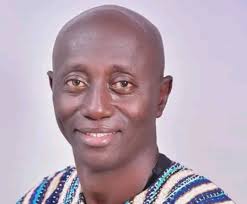
Security analyst Andrews Asiedu Tetteh has called on educational institutions, particularly universities, to intensify their security measures to protect students.
Reacting to the tragic death of a Level 200 student at the University of Cape Coast, Tetteh described the incident as both unfortunate and avoidable. He pointed out that investigations often reveal approximately 90 percent of killings on campuses are driven by revenge or ritual activities.
He urged university management teams nationwide to enforce stricter discipline on their campuses.
Speaking on Nyankonton Mu Nsem on Rainbow Radio 87.5FM, Tetteh explained that some of these killings are orchestrated by individuals who feel jilted after dating the victims, while others are linked to ritual purposes.
He advised female students in particular to avoid chasing material wealth while on campus so they do not fall prey to predatory, self-proclaimed wealthy and influential men.
He asserted that peer pressure often drives some students to do whatever it takes to match what their friends possess.
To mitigate these risks, he encouraged students to always inform their friends of their whereabouts or when they are meeting strangers, ensuring assistance can be provided in emergencies.
Elaborating on the behavioral and systemic issues contributing to these tragedies, Tetteh stated:
“Some of our female students are not content. They allow their greed and taste for things they cannot afford to push them into activities that easily threaten their safety and security. Some of them prefer having sexual affairs with multiple men so they can buy iPhone 17 and other expensive items. Our investigations have proven that a lot of these incidents of killing on campuses are driven by revenge killings due to failed relationships. About 90 percent of girls killed on campuses are due to these issues. We need to sensitize our students. Management of our schools must be proactive and maintain discipline on campuses. In our nursing and teacher training colleges, the level of discipline is high because of how the trainees are handled, just as senior high students. But in our traditional universities, we have students doing whatever they want without any strict disciplinary action taken against them.”
Turning his attention to national infrastructure, Tetteh called for increased security patrols along beaches, highways, and other isolated locations that criminals easily exploit.
He noted that developed countries effectively fight crime through the widespread use of surveillance systems, a capability that Ghana currently lacks.
Questioning the gaps in the nation’s security network, he wondered why critical zones like the Peduase area completely lack security systems. Ultimately, he advised the Police Service to intensify its intelligence gathering and crime detection efforts.
By: Rainbowradioonline.com/Ghana