
Ghana requires a tax framework that generates necessary development revenue while remaining equitable, efficient, and supportive of both individuals and commercial enterprises.
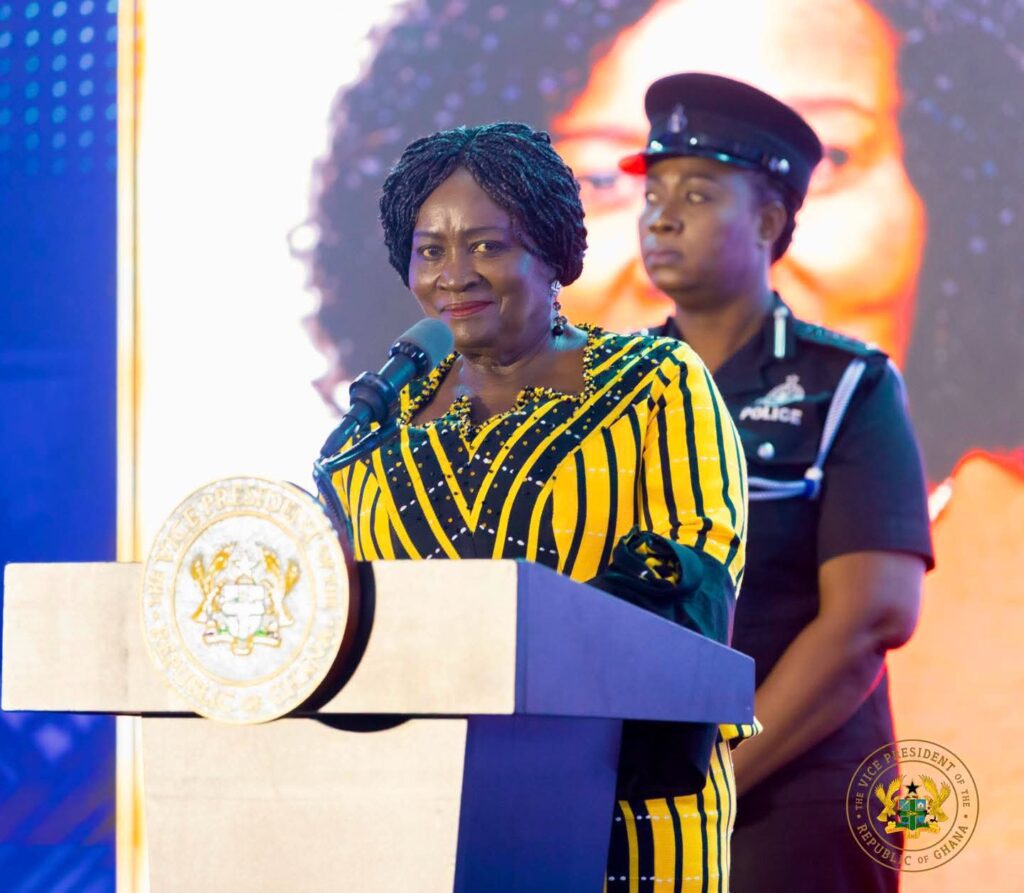
Vice President Prof Jane Naana Opoku-Agyemang emphasised this imperative at the 14th Conference of the Chartered Institute of Taxation, Ghana. The event convened tax professionals, policymakers, business leaders, and international participants under the theme “Tax Reforms in Practice: Implications for Businesses and Tax Administration.”
Highlighting existing efforts, Prof Opoku-Agyemang noted that government has already taken important steps to ease the tax burden and simplify the system. However, she stressed that amending tax legislation represents only a portion of the required work. Sustainable progress demands making compliance easier through stronger administration, better use of technology and data, simpler processes, and improved taxpayer education.
Central to this effort is building public confidence in the system. She observed that taxpayers are far more likely to meet their obligations when they understand the framework, perceive it as fair, and can engage with tax authorities without unnecessary difficulty.
The Vice President pointed to tax professionals as key partners in fostering that trust. They assist businesses and individuals in navigating their obligations, support voluntary compliance, and contribute valuable professional experience to tax policy development.
Addressing broader economic shifts, she added that as the nature of business and international taxation continues to evolve, Ghana must remain technically prepared and work alongside other African countries to ensure the nation’s interests are effectively represented in global tax discussions.
Prof Opoku-Agyemang concluded by congratulating the Chartered Institute of Taxation, Ghana on another successful conference.
By: Rainbowradioonline.com/Ghana