
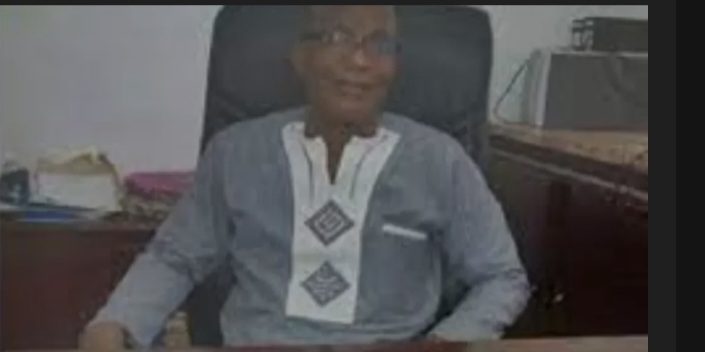
An educationist and senior lecturer at the University of Education, Winneba (UEW), Mr Samuel Zigah, has strongly opposed the proposed introduction of Chinese and Arabic into Ghana’s school curriculum, warning that the policy will yield no tangible benefits for pupils.
Speaking in an interview on Nyankonton Mu Nsem on Rainbow Radio 87.5FM, the psychologist questioned the rationale behind burdening young learners with additional foreign tongues when foundational subjects remain a hurdle.
“Many of our students are already struggling to grasp basic English and French,” Mr Zigah stated. “Adding Chinese and Arabic to their workload will only create further confusion. How much more difficult do we want to make learning for these children?”
He challenged the state to evaluate its long-standing educational choices, pointing out that decades of using English as the primary language of instruction have yielded minimal national achievements.
“What tangible benefits and national milestones can we point to since adopting English as our main language of instruction?” he queried. “We ought to consolidate our gains in existing languages before hastily introducing new foreign ones.”
The educationist urged policy-makers to redirect their focus towards strengthening local dialects in basic schools, stressing that early-grade instruction in indigenous languages builds a stronger cognitive foundation.
“Piling on more foreign languages will only disturb the minds of our students,” he cautioned. “If we want proper intellectual growth, we must prioritize our local languages.”
Addressing the public disagreement between the President and the Minister of Education regarding the policy proposal, Mr Zigah dismissed claims of a rift or executive power play.
“Both leaders are simply expressing individual opinions on a vital educational issue,” he explained. “I see nothing wrong with either position. These exchanges do not signal a display of power or authority; rather, they reflect a legitimate and healthy debate on national education policy.”
By: Rainbowradioonline.com/Ghana