
Ghana’s economy is showing signs of improvement following a turbulent period marked by high inflation, debt challenges, and eroded purchasing power.
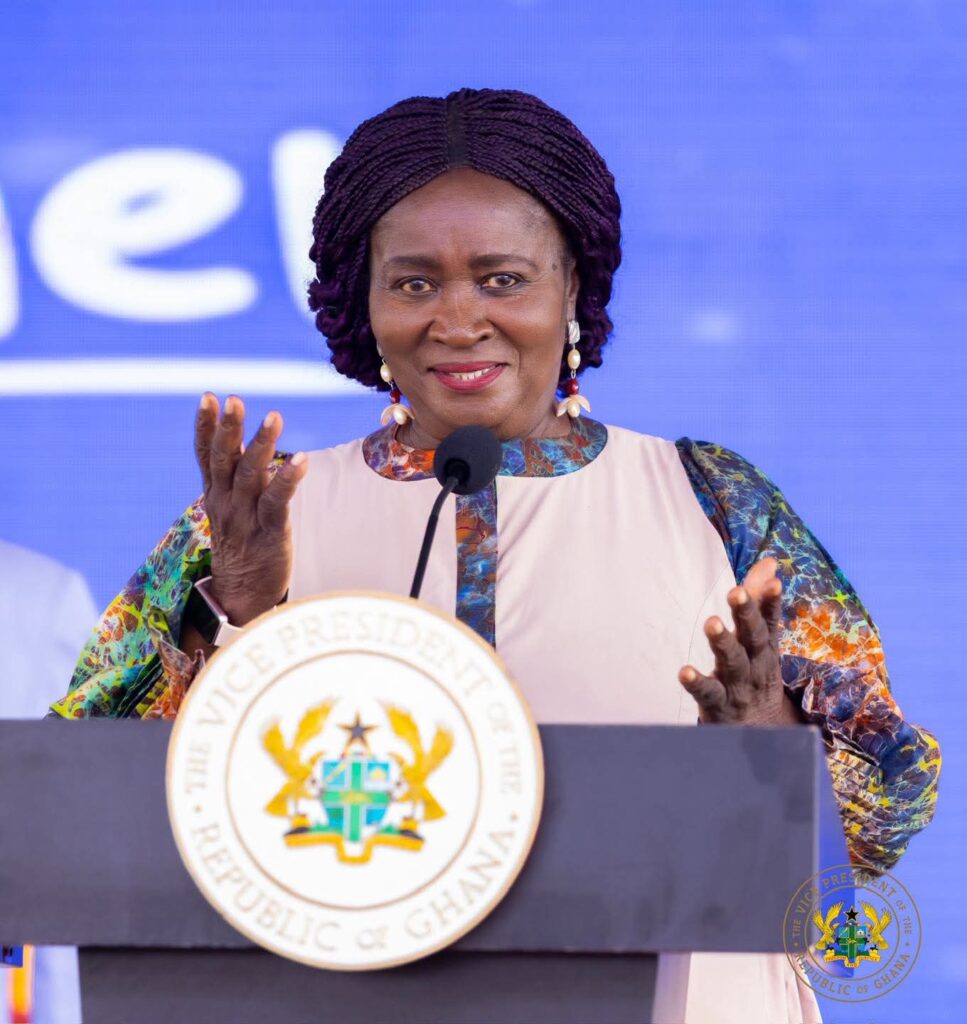
Addressing leadership and policy heads at the National Democratic Congress (NDC) two-day policy colloquium in Adukrom—organized to review the first 18 months of government performance and strategize for future implementation—Vice President Professor Naana Jane Opoku-Agyemang reflected on the administration’s initial challenges and fiscal approach.
“When this government assumed office, high inflation, debt difficulties and the erosion of purchasing power weighed heavily on households and businesses across the country,” she said. “With fewer ministries and a smaller ministerial team, we know first-hand the demands of the work it took and what it continues to take to restore stability and rebuild confidence.”
While acknowledging that full recovery remains an ongoing process, the Vice President pointed to key macroeconomic indicators as evidence of progress.
“We have not reached our destination but inflation has fallen substantially, the cedi has strengthened, economic activity has expanded and the country’s debt situation has improved,” Prof. Opoku-Agyemang stated.
She noted that these positive shifts create essential conditions for businesses to plan, investment to take place, and households to maneuver. However, she cautioned against declaring an early victory, emphasizing that “a clear account is not an invitation to complacency but a foundation for the work ahead.”
To ensure these gains reach more households and communities, the administration intends to focus heavily on the quality, consistency, and pace of programme execution.
Beyond macroeconomic stabilization, Prof. Opoku-Agyemang urged party communicators and government appointees to effectively convey the administration’s progress to the populace, framing accurate communication as vital for placing upcoming priorities in proper context. “Colleagues, that recognition is not for our sake. It is to better situate the unfinished tasks ahead of us, that is vital,” the Vice President said.
Defining the core strategy behind public messaging, she stressed that sharing government results goes well beyond mere publicity.
“Communicating means presenting our work accurately, explaining its significance and placing it in context of the challenges we set out to address,” she stated, urging representatives to maintain clarity and respect toward the electorate. “This is so that Ghanaians know what a government is doing, why it is doing what it is doing and the results, in languages they understand, and through channels they trust, and in a manner that respects their intelligence.”
By: Rainbowradioonline.com/Ghana