The Ministry of Education has declared Ghana’s readiness to take a leading role in evaluating groundbreaking vector control innovations as key stakeholders gather in Accra to chart a path toward malaria elimination.
Speaking at the National Co-Creation Workshop on Malaria-Free Mosquito Technology at the West African Centre for Cell Biology of Infectious Pathogens (WACCBIP), University of Ghana, Dr. Clement Abas Apaak emphasized that the nation will independently scrutinize emerging scientific developments to ensure solutions are tailored to local needs.

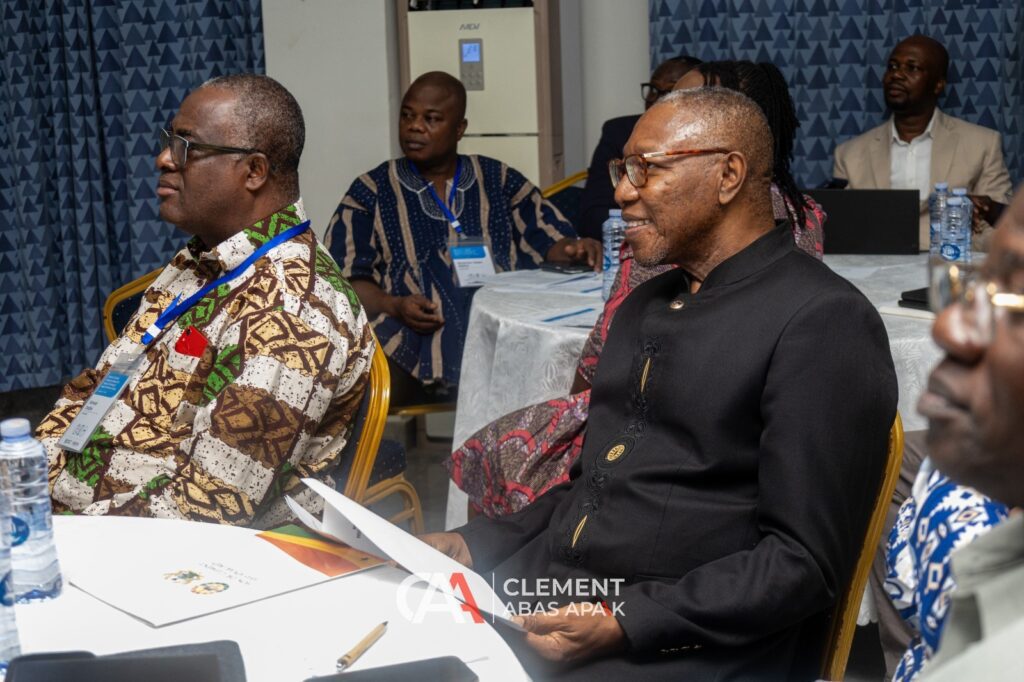
“Ghana will not borrow answers from elsewhere. We will examine the evidence ourselves, ask hard questions openly, and decide for ourselves, with our communities at the table,”
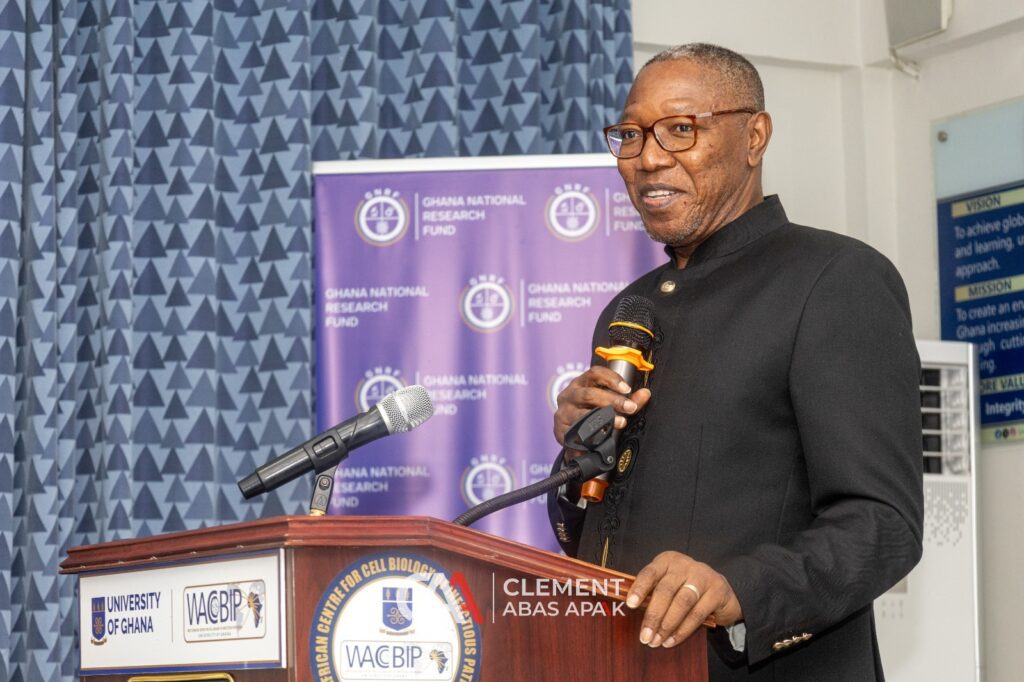
Dr. Apaak stated, highlighting the educational and economic toll the disease continues to exert on households across the country.
Despite substantial progress in public health interventions, Ghana recorded over 5.3 million malaria cases last year
The growing challenge of insecticide resistance has further heightened the urgency for advanced scientific solutions, including gene-drive and modified mosquito technologies currently undergoing rigorous laboratory testing and modeling worldwide.
Dr. Apaak noted that Ghana’s robust research ecosystem—anchored by institutions such as the University of Ghana, Noguchi Memorial Institute for Medical Research, Kwame Nkrumah University of Science and Technology, Kumasi Centre for Collaborative Research, CSIR, and WACCBIP—provides the necessary expertise to evaluate these novel tools responsibly.
“Our universities and research institutions are the engine room of this effort. They train the entomologists, geneticists, biotechnologists, bioinformaticians, regulators and social scientists on whom any future programme depends,” he remarked. “When research of this calibre is anchored at home, our graduates build careers at home, and Ghanaian scientists become the trusted voices that communities listen to.”
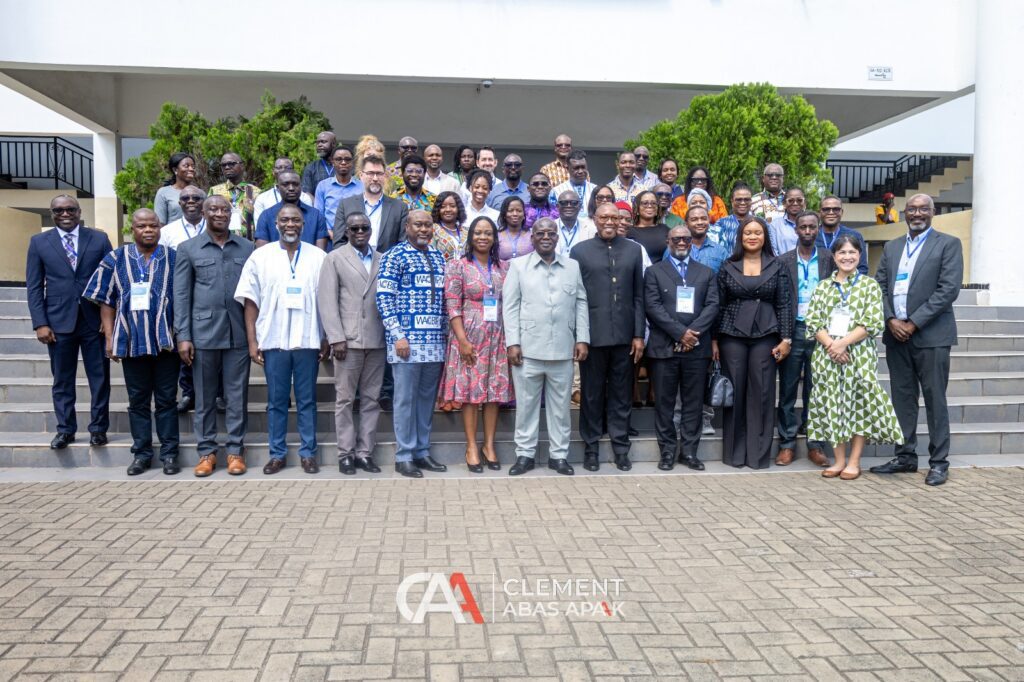
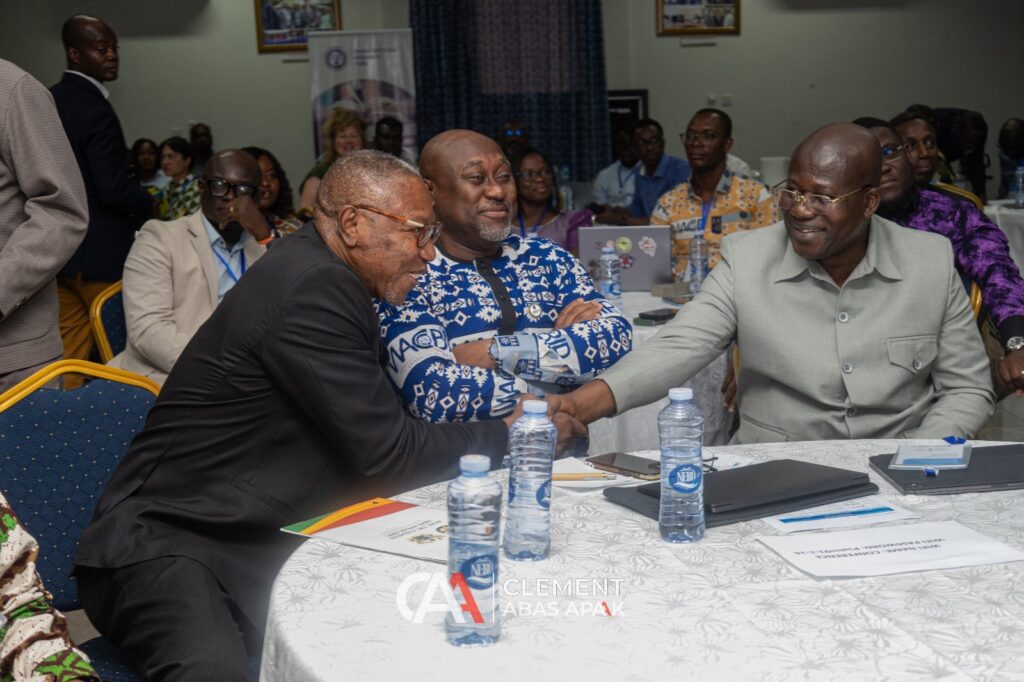
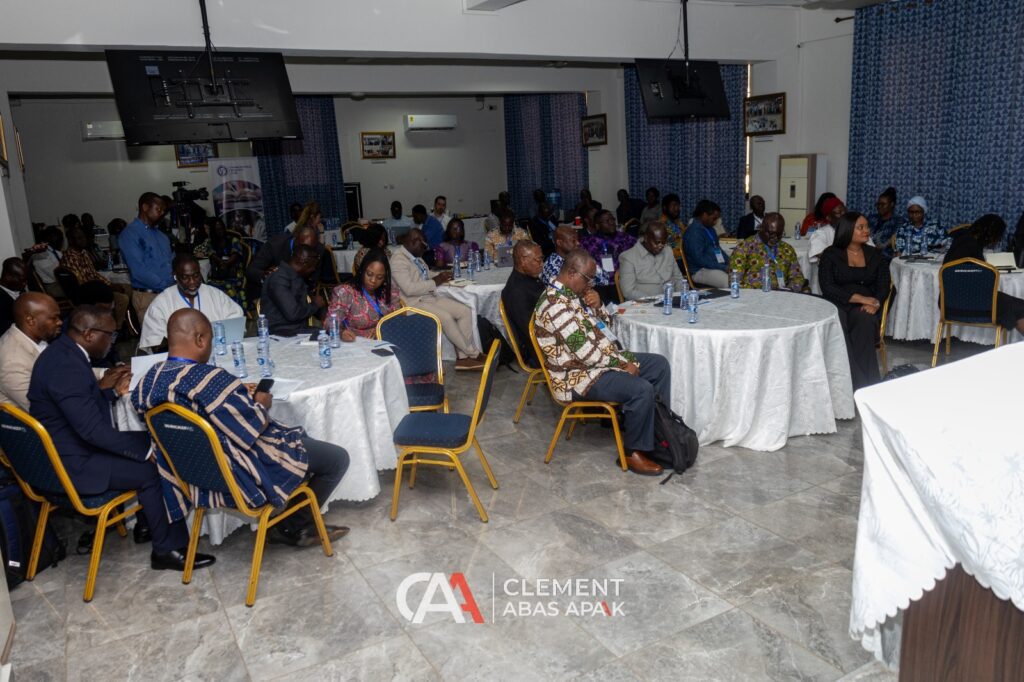
Convened by the Ghana National Research Fund in partnership with WACCBIP and the Gates Foundation, the two-day workshop aims to establish a nationally led, evidence-based framework for engaging with advanced biotechnology.
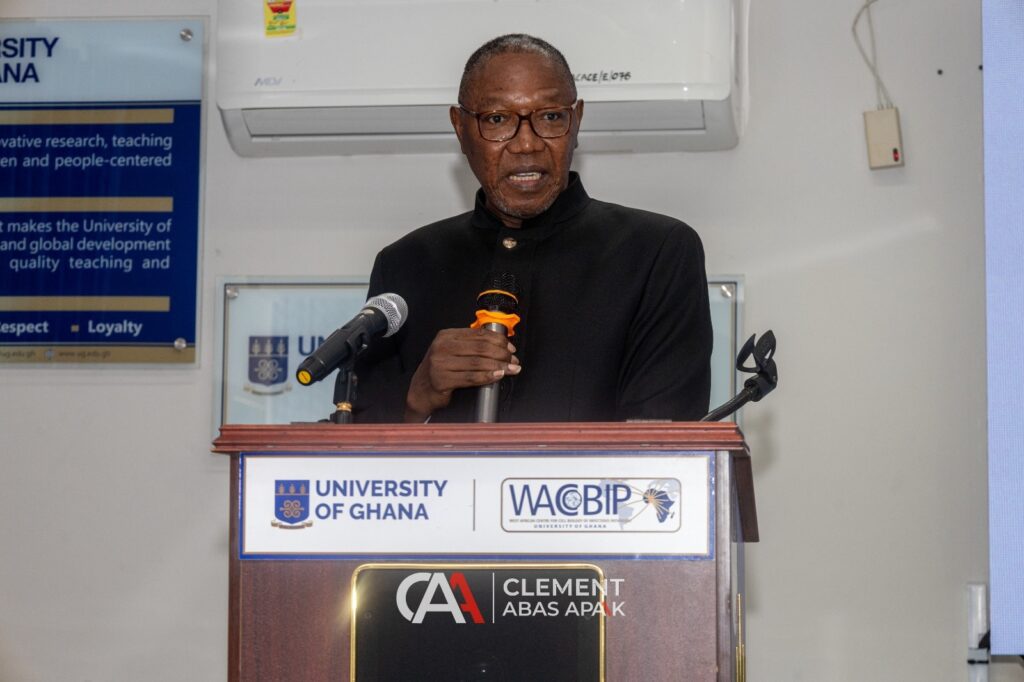
Reflecting on historical public health milestones, including the global fight against Guinea worm, Dr. Apaak reminded participants that meaningful progress requires balancing ambition with thorough scientific evaluation.


“That history teaches us that boldness and caution belong together: ambition guided by evidence, and delivered with communities, not to them,” he added, noting that Ghana’s proactive, community-centered approach could serve as a benchmark for the broader ECOWAS sub-region.
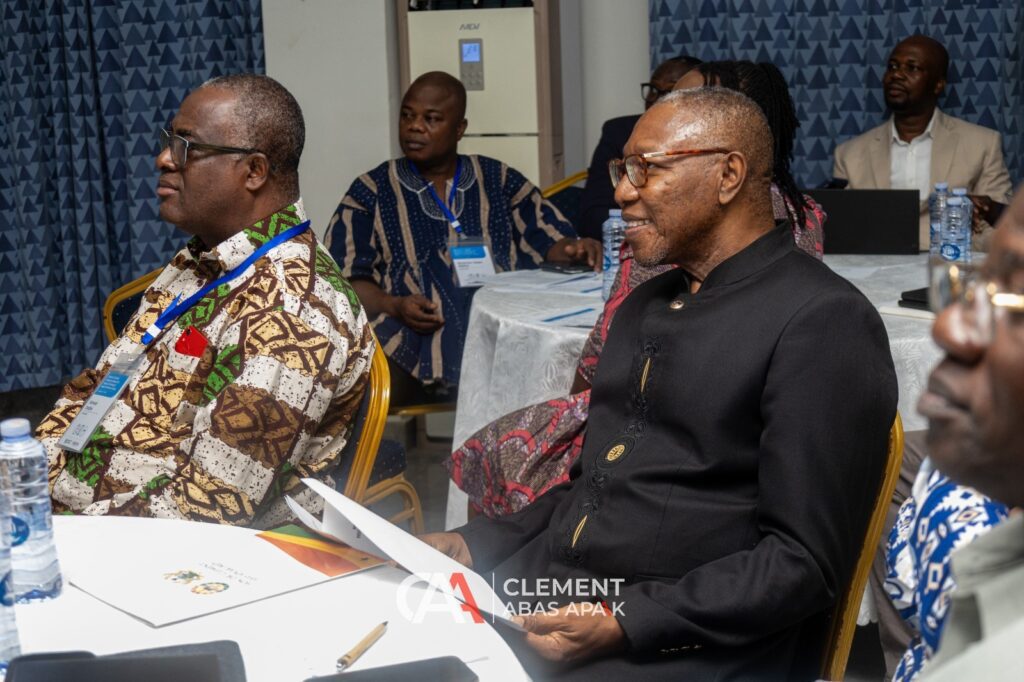
The Ministry reaffirmed its commitment to supporting domestic research bodies and regulatory agencies as discussions continue to develop a distinct national roadmap for vector control and malaria eradication.

By: Rainbowradioonline.com/Ghana