
The government has announced major interventions in the poultry and oil palm sectors as part of its commercial agriculture pillar under the New Economy programme, aimed at boosting domestic production and creating hundreds of thousands of jobs.
Presenting the 2027 Budget Statement and Economic Policy in Parliament, the Minister for Finance, Dr Cassiel Ato Forson, disclosed that the state will develop 100,000 new hectares across the Western, Central, Eastern and wider production belt for oil palm cultivation.
According to the Minister, the suitable land has already been identified, with the Ministry of Lands and Natural Resources currently undertaking the acquisition process in line with international best practices.
To support this expansion, integrated oil palm zones will be established to connect certified nurseries, nucleus estates, and organised smallholders with modern mechanisation. Dr Forson revealed that a 500 million US dollars World Bank financing window—which has already been agreed upon and will soon be laid before Parliament—will back the initiative. Recognising that a tree crop cannot be financed like short-term lending, the facility will feature a long tenure alongside a five-year moratorium, with the entire programme projected to create 250,000 jobs.
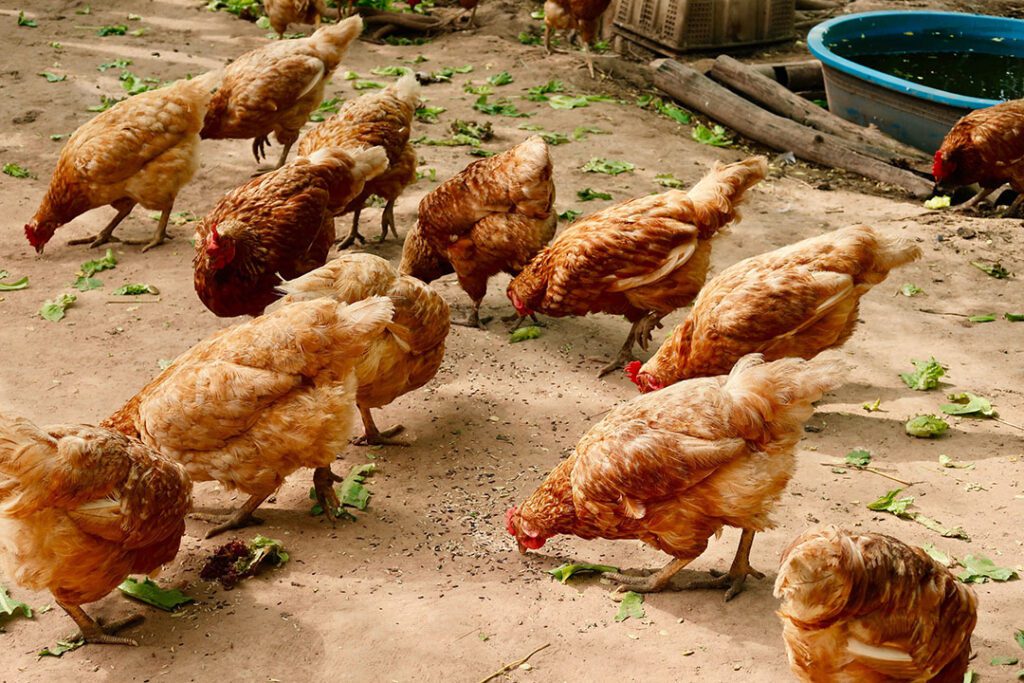
Alongside the oil palm drive, Dr Forson told the House that government will build a complete poultry value chain to reduce reliance on imports and strengthen local industry. This comprehensive intervention will span breeder farms and hatcheries, day-old chicks, feed, vaccines, veterinary laboratories, modern poultry houses, processing plants, cold storage, and retail distribution.
Under the new framework, commercially capable anchor farms will partner with existing small and medium-scale producers as well as organised outgrowers. To guarantee a ready market, institutional buyers, retailers, and hospitality businesses will utilise transparent multi-year contracts to off-take locally produced chicken.
Addressing the high cost of poultry farming, the Finance Minister noted that feed accounts for 60 to 70 per cent of production costs, making the future of the sector heavily dependent on maize and soya bean. To resolve this bottleneck, commercial maize and soya bean clusters will be set up to link farmers directly to feed mills via bankable contracts, a move intended to lower feed prices and ensure the productive chains reinforce one another.
Dr Forson further indicated that the seventh intervention under the commercial agriculture value chain will target the vegetable industry, which will be anchored by the Pwalugu Multi-Purpose Dam.
By: Rainbowradioonline.com/Ghana