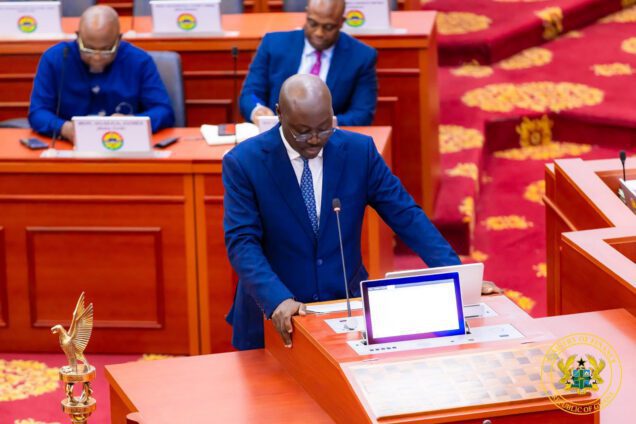
The Minister for Finance, Dr Cassiel Ato Forson, has assured Ghanaians that the government will not introduce any new taxes in the 2027 fiscal year, opting instead to tighten collection mechanisms and overhaul existing tax legislation.
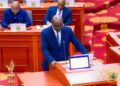
Delivering the 2027 Budget Statement and Economic Policy on the floor of Parliament on Thursday, November 12, 2026, Dr Forson explained that the administration’s immediate focus is on sealing revenue leakages and ensuring existing obligations are met fairly.
“This 2027 Budget will not introduce any new tax. Our task is to collect what is lawfully due, close the leakages, and make the revenue system work better,” he said.
The assurance comes against the backdrop of sustained pressure from the Minority in Parliament and sections of the private sector over the high cost of doing business and the prevailing tax burden on enterprises. Rather than expanding the tax net through fresh levies, the Finance Minister noted that boosting the efficiency of the current revenue system remains the most sustainable path forward.
To achieve this, the government is rolling out a comprehensive legislative and administrative review scheduled to commence in 2027. The exercise will target key frameworks, including the Income Tax Act, the Revenue Administration Act, stamp duty administration, and the Communications Service Tax framework. New regulations will also be drafted to ensure these reformed laws are applied consistently across the board.
“Taxpayers deserve clear rules, fair treatment, and timely decisions,” he added.
Beyond domestic tax administration, Dr Forson revealed plans to adjust customs tariffs and duty concessions on selected raw materials, machinery, and essential inputs as part of broader efforts to cushion and stimulate local industries.
On the international front, Ghana’s Double Taxation Agreements will undergo scrutiny to align them with the United Nations Framework Convention on International Tax Cooperation. According to the Minister, this measure is designed to clamp down on treaty abuse and tax evasion without deterring legitimate foreign investment.
Additionally, the government intends to bolster its tax dispute resolution mechanisms, a move aimed at reducing compliance costs and simplifying procedures for businesses and individual taxpayers alike.
By: Rainbowradioonline.com/Ghana