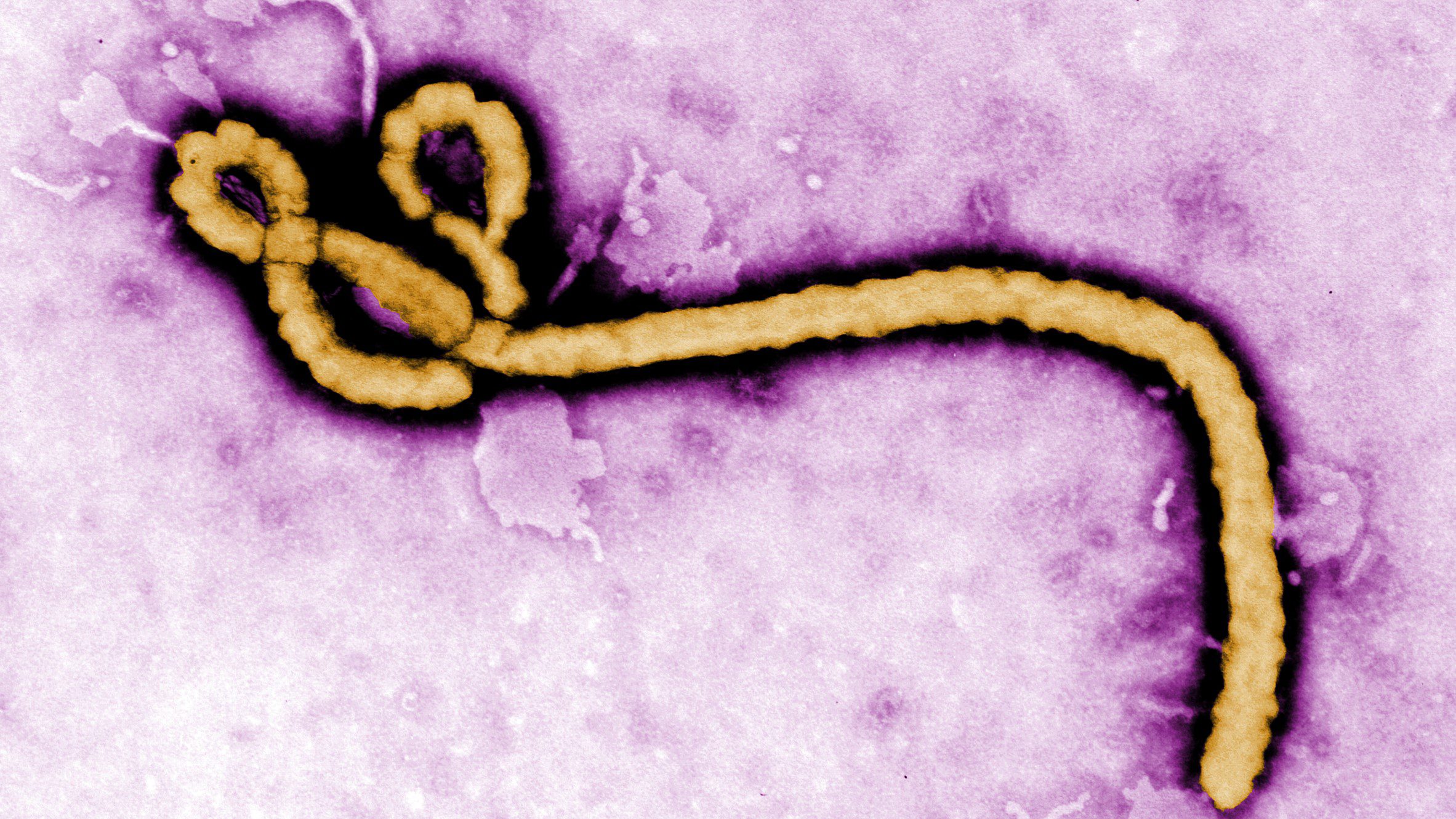
Public health expert Emmanuel Opoku has cautioned Ghanaians to strictly observe all health protocols to prevent Ebola virus disease, stressing that there is currently no approved medication to treat the infection.
Speaking in an interview on Rainbow Radio 87.5FM Frontline Show on the risks posed by the virus, Opoku explained that Ebola spreads primarily through direct contact with an infected person’s bodily fluids, the use of contaminated sharp objects, and the consumption of bats and other wild animals that may carry the virus.
“Prevention is our only defence right now. Once a person contracts Ebola, management is limited to supportive care because there is no specific drug or cure,” he said.
Outlining the clinical progression of the disease, Opoku noted that symptoms typically appear suddenly between 2 to 21 days after exposure. Early signs often mimic the flu and include high fever, severe headache, muscle and joint pain, fatigue, and sore throat.
“As the disease progresses, patients develop severe gastrointestinal problems such as vomiting and diarrhoea. In about 40% of cases, it advances to internal and external bleeding, which is often fatal,” he added.
The World Health Organization (WHO) has declared an Ebola outbreak in the Democratic Republic of Congo a public health emergency of international concern.
The agency said the outbreak in the Democratic Republic of Congo’s eastern Ituri province, which has seen around 246 suspected cases and 80 deaths reported, does not meet the criteria of a pandemic emergency.
But it warned it could potentially be “a much larger outbreak” than what is currently being detected and reported, with significant risk of local and regional spread.
Opoku urged the public to avoid bushmeat, especially bats and primates, and to practise rigorous hand hygiene. He also advised health workers and families to use protective equipment when caring for sick persons and to avoid direct contact with blood, saliva, vomit, or other bodily fluids.
The death toll from an Ebola outbreak in central Africa rose sharply Tuesday, with the head of the World Health Organization expressing concern over the “scale and speed of the epidemic”.
At least 131 people are believed to have been killed and 531 suspected to have been infected in the latest outbreak, according to the Congolese Ministry of Health. An American missionary was among those who tested positive for the deadly disease.
Health experts are worried about the capacity of this outbreak to cause widespread illness and death in Central Africa.
By: Boshyeba Kwabena Afriyie/Rainbowradioonline.com/Ghana