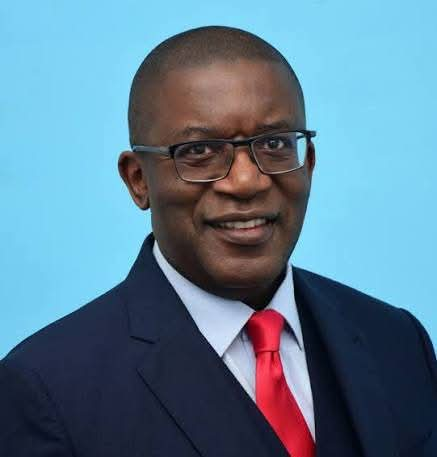
The Supreme Court has adjourned to tomorrow, Wednesday, November 25, 2026, at 12 noon to deliver its ruling on an application filed by the former Chief Executive Officer of the Ghana Infrastructure Investment Fund (GIIF), Solomon Asamoah, in the ongoing Skytrain trial.
Mr Asamoah, who is the first accused in the matter, is invoking the supervisory jurisdiction of the apex court for an order of certiorari to quash a directive by the trial court.
The lower court had ordered him to mount the witness box and testify first before calling any other witnesses he intends to subpoena, following the filing of his witness statement and his election to give evidence.
Moving the motion before the Supreme Court on Tuesday, counsel for the applicant, Victoria Barth, contended that the trial judge acted in excess of jurisdiction and committed an error apparent on the face of the record by dictating the sequence of the defence’s case.
Mrs Barth argued that compelling her client to testify ahead of his subpoenaed witnesses breaches his constitutional right to a fair hearing as well as his right to remain silent until he chooses to testify, as guaranteed under Article 19(2)(g) of the 1992 Constitution. Relying on a Nigerian judicial authority, she submitted that the trial court’s directive lacks statutory backing and fundamentally infringes upon the accused person’s right to a fair trial.
However, opposing the application on behalf of the Attorney-General, Chief State Attorney Sefakor Batse maintained that the trial court acted well within its lawful mandate. She argued that having the jurisdiction to try the substantive case inherently empowers the trial judge to make procedural orders governing the conduct of proceedings.
According to Ms Batse, a party’s disagreement with how a judge directs evidence to be led—particularly after the accused has already filed a witness statement—does not constitute a jurisdictional error. She insisted that the proper legal remedy for such a grievance is an appeal, rather than invoking the supervisory powers of the Supreme Court.
Distinguishing the Nigerian case cited by the defence, the Chief State Attorney pointed out that Ghana’s 1992 Constitution does not prescribe the specific order in which an accused person must call witnesses. She concluded that the applicant had failed to demonstrate any excess of jurisdiction or patent error on the record to justify quashing the order.
After listening to submissions from both sides, the panel of justices reserved its ruling for tomorrow at midday.
In a related development, a separate application filed by Mr Asamoah seeking to suspend the enforcement of the trial court’s directive was also adjourned to tomorrow, with its outcome tied to the court’s decision on the main certiorari application.
By: Rainbowradioonline.com/Ghana