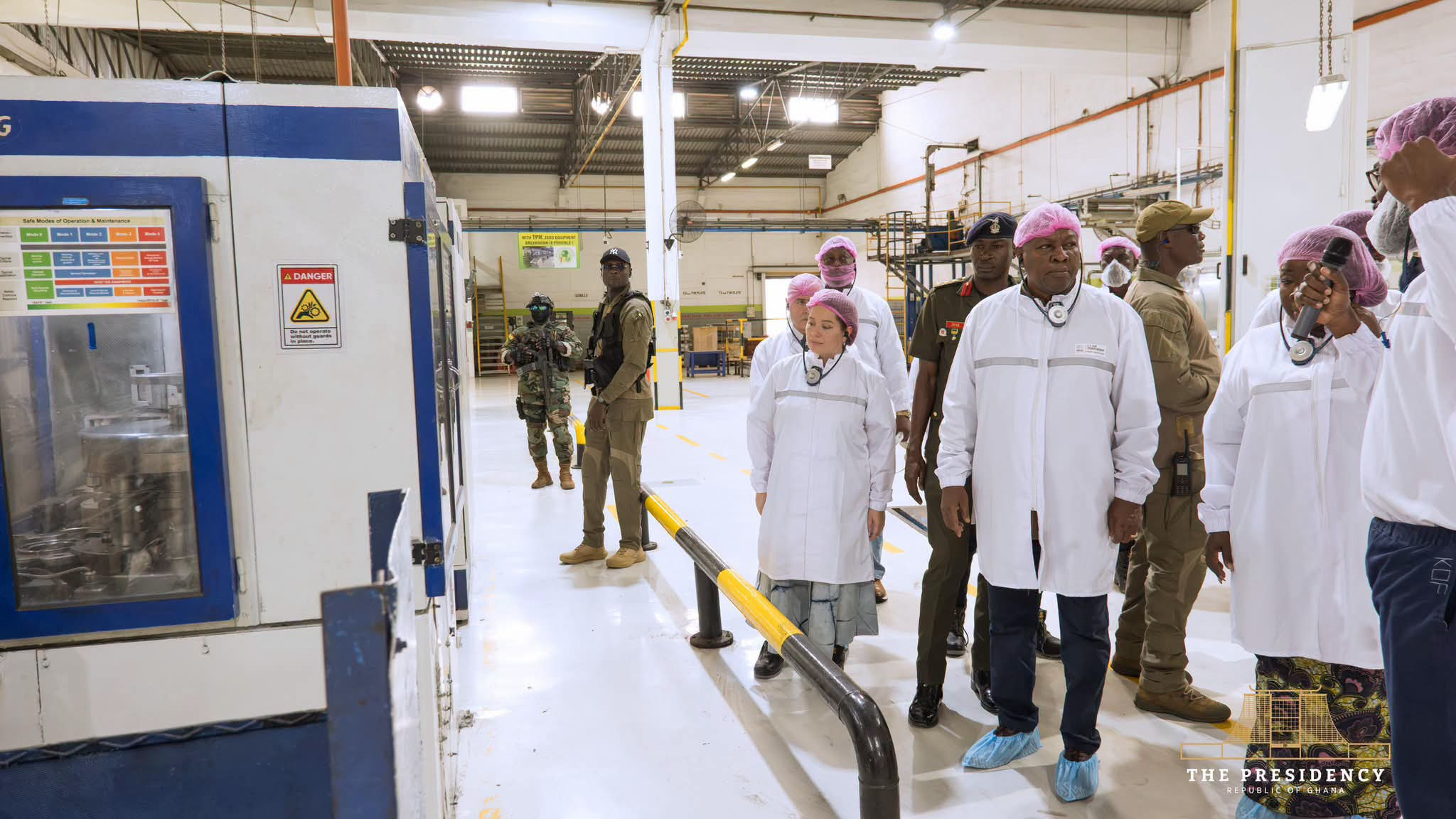
The Executive Chairman of the Food and Beverages Association of Ghana (FABAG), Mr. John Awuni, has expressed serious concerns about a significant decline in the sector’s business activities.
Mr. Awuni stated that the industry is already facing a 70% drop in business, cautioning that any increase in utility tariffs would further worsen their struggles.
He argued that the economy, in its current state, is not prepared for additional upward adjustments to utility tariffs, as Ghanaians are already burdened by high costs.
FABAG’s opposition comes amid a request by the Electricity Company of Ghana (ECG) for approval of a 224% tariff increase over the 2025–2029 regulatory period. Speaking on Rainbow Radio 87.5FM’s “Frontline” program,
Mr. Awuni reiterated that the economy cannot withstand a tariff hike, particularly since electricity is a fundamental component of the production cost for virtually every product in the country.
He noted that the food and beverage sector has seen a sharp decline in sales as businesses contend with weak consumer demand and rising operational costs, primarily driven by currency depreciation.
The proposed tariff adjustments would directly impact the critical production infrastructure for businesses such as bakeries, beverage bottlers, sachet water producers, and cold storage operators.
He warned that a tariff increase would eliminate profit margins for small and medium enterprises (SMEs), potentially leading to factory downsizing, business closures, and widespread unemployment across the sector.
He also brought up the political implications, stating that a major reason many voted out the New Patriotic Party (NPP) was the constant rise in electricity tariffs.
He referenced President Mahama’s “reset agenda,” arguing that the current administration’s promise of a reset should apply to every sector, including energy.
Mr. Awuni warned that if tariffs are increased, the goodwill the government currently enjoys from Ghanaians could be eroded.
He called for a thorough review of the structure of Ghana’s utility companies. He emphasized the need to appoint competent management to prevent these institutions from failing and to ensure sustainable operations.
By: Rainbowradioonline.com/Ghana