Ghana and Norway have reaffirmed their commitment to a transformative academic alliance, with the Deputy Minister for Education, Dr Clement Abas Apaak, calling for a shift from theoretical collaboration toward research that delivers “measurable impact” for the Ghanaian people.
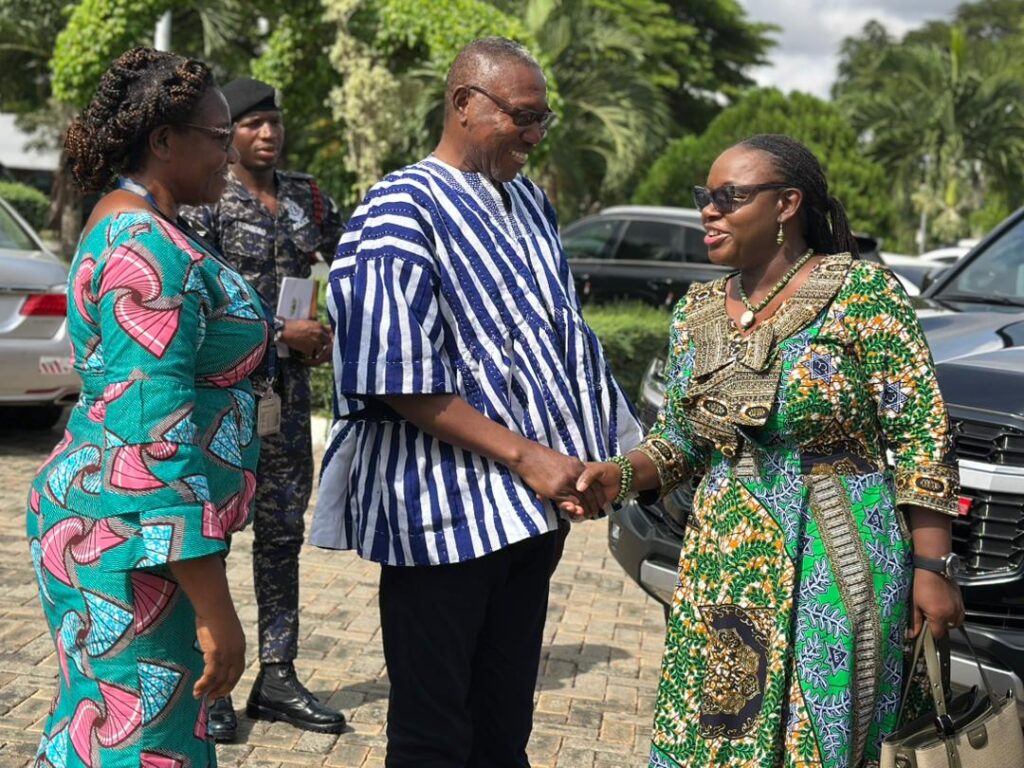
Addressing a high-level delegation at the ISSER Conference Facility within the University of Ghana on Friday, Dr Apaak underscored the strategic importance of the Ghana–Norway Academic Programme.

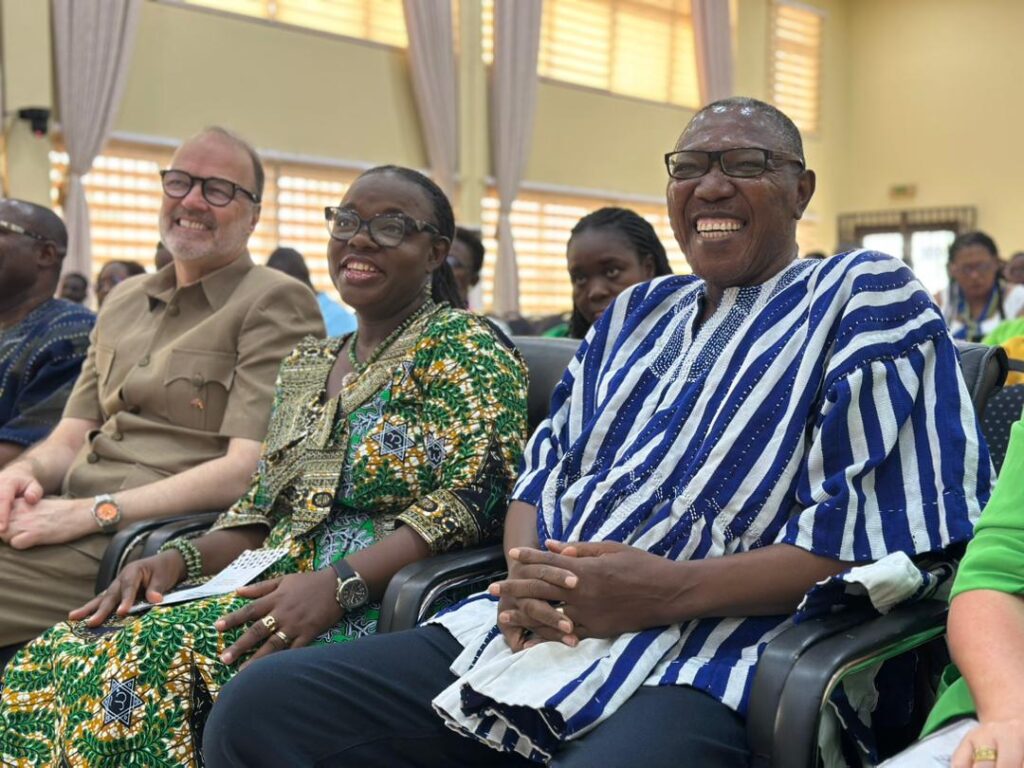
Speaking to an audience that included the Norwegian Ambassador and University faculty, the Deputy Minister described the partnership as a vital engine for national development rather than a mere diplomatic formality.
The collaboration, bolstered by established initiatives such as NORHED and NOREC, has already begun to reshape the landscape of higher education in West Africa.
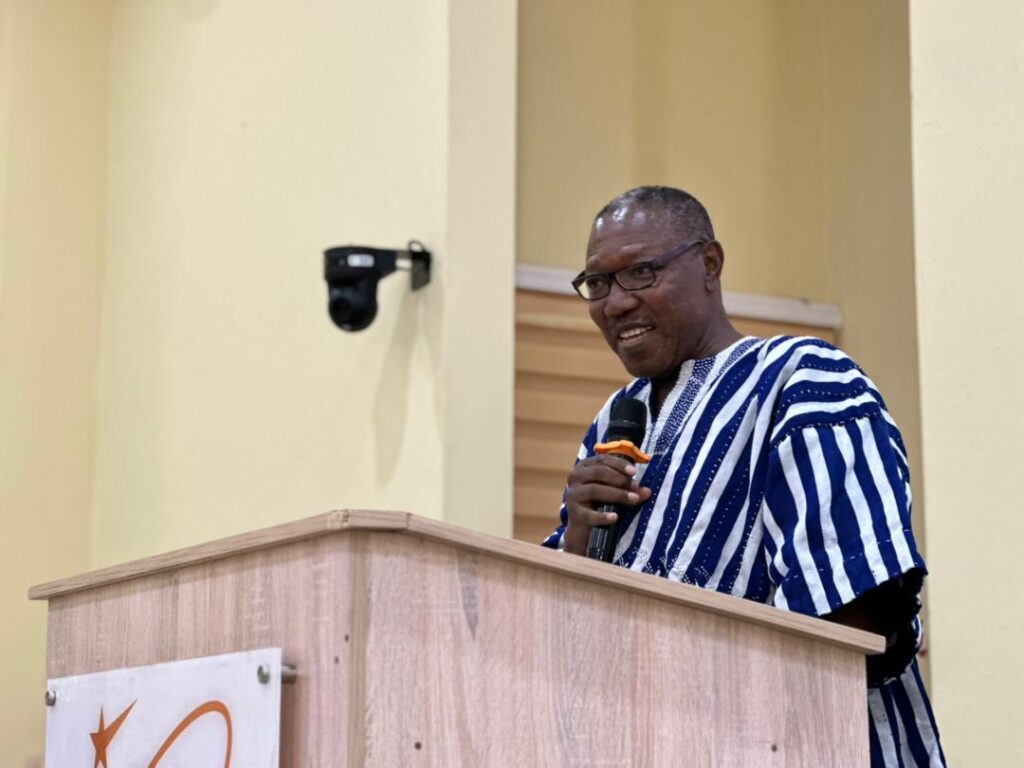
Dr Apaak noted that the synergy between the two nations has moved beyond simple knowledge exchange, resulting in the creation of advanced postgraduate programmes and a significant upgrade in institutional research infrastructure.
By focusing on pressing global issues—ranging from climate change and water resource management to public health—the partnership aims to produce homegrown solutions for Ghana’s most urgent developmental priorities.

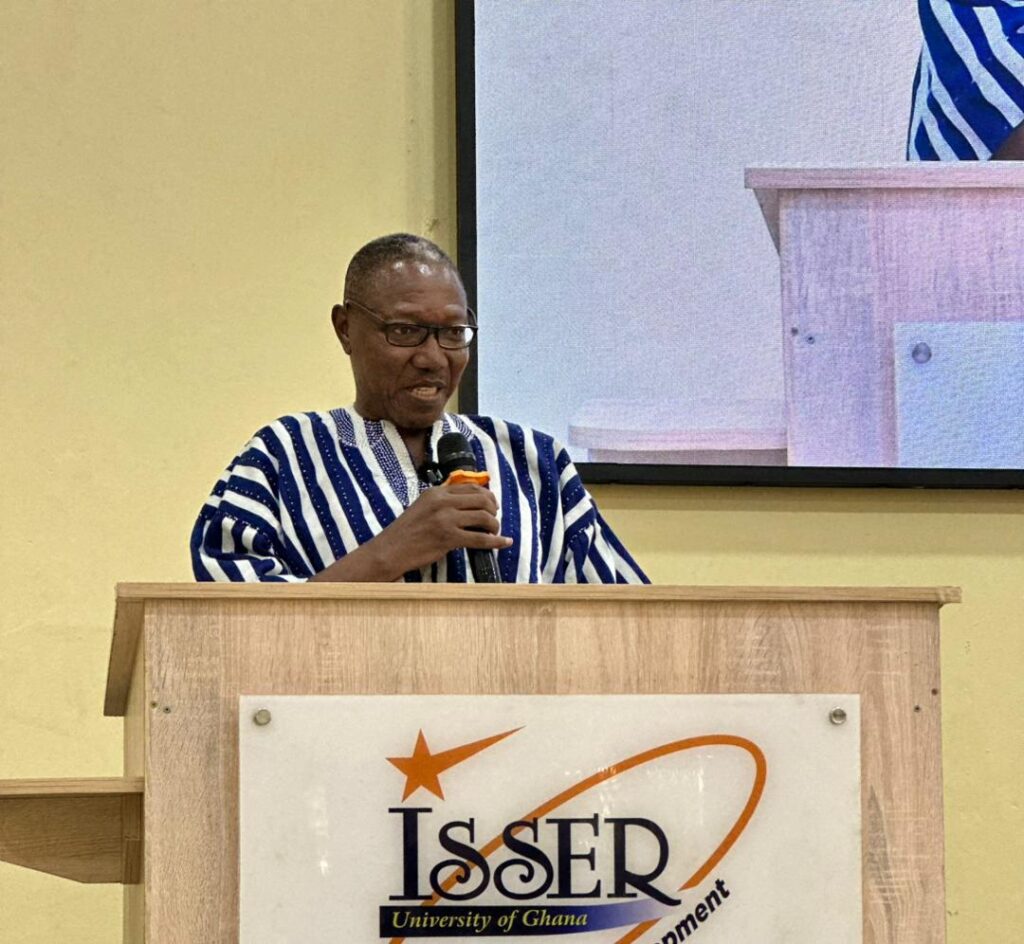
Dr Apaak stressed that the role of the modern university has evolved into a catalyst for economic transformation. He argued that the success of such international cooperation must be measured by how effectively research outcomes are translated into policy and practice.
To support this, the Ghanaian government has pledged to increase its backing for innovation while fostering a tighter alignment between academic research and industrial needs.

The Deputy Minister also highlighted the critical role of the next generation, urging young researchers and students to view themselves as the primary architects of this ongoing relationship.

He added that the bond between Ghana and Norway serves as a blueprint for international cooperation, asserting that the ultimate goal remains the conversion of shared knowledge into tangible progress that improves livelihoods across the country.

By: Rainbowradioonline.com/Ghana