
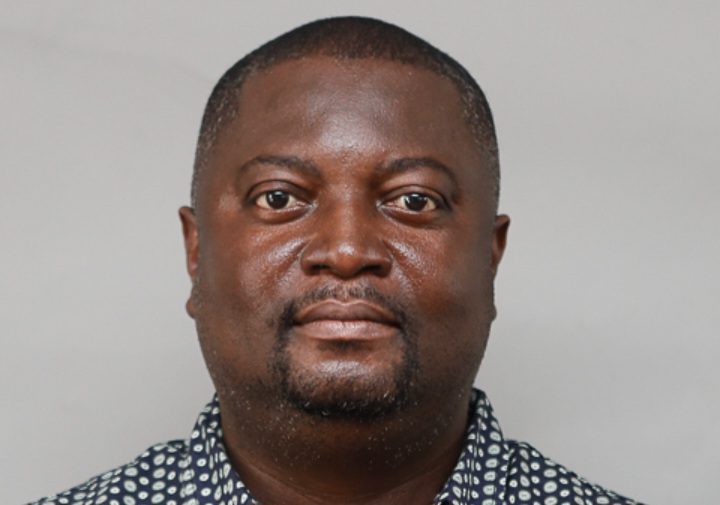
Dr. Jonathan Asante Okyere, a political analyst and lecturer at the University of Cape Coast (UCC), has stated that it is unfair to dismiss the relevance of Parliament’s Public Accounts Committee (PAC).
Speaking on Nyankonton Mu Nsem on Rainbow Radio 87.5FM, Dr. Okyere argued that the PAC is a vital constitutional body tasked with the oversight responsibility of examining the audited accounts of all government ministries, departments, agencies, and district assemblies.
He explained that the core function of the committee is to investigate financial irregularities highlighted in the Auditor-General’s report.
Addressing the challenges the committee faces, Dr. Okyere indicated that, in some instances, the officials appearing before the committee are not the ones who actually made the decisions that caused the infractions.
Because of this, he noted that the best approach for these representatives is to secure proper briefings and conduct thorough internal investigations before their appearances.
He further observed that the committee has consistently done its best over the years, which justifies the parliamentary tradition of having the opposition party chair its sittings to ensure objectivity.
When critical issues arise, the committee also refers cases to the Attorney-General’s Department for prosecution.
He lecturer emphasised that since its establishment, the PAC has successfully highlighted financial infractions and taken action in the best interest of the country.
“It would be unfair to suggest that the committee has not been relevant. The Public Accounts Committee of the Parliament of Ghana is a constitutional body that has an oversight responsibility to examine the audited accounts of government ministries, departments, agencies, and district assemblies. The main function of the Committee is to investigate financial irregularities. These irregularities might have been highlighted in the Auditor-General’s report. Those who appear before the Committee to answer questions are representatives from all these ministries and agencies. In some cases, those who appear before the Committee are not the ones who caused the infractions; therefore, the best thing for them to do is to get briefings and conduct their own investigations before appearing before the Committee. That is why the Committee sometimes refers cases to the Attorney-General’s Department.”
By: Rainbowradioonline.com/Ghana