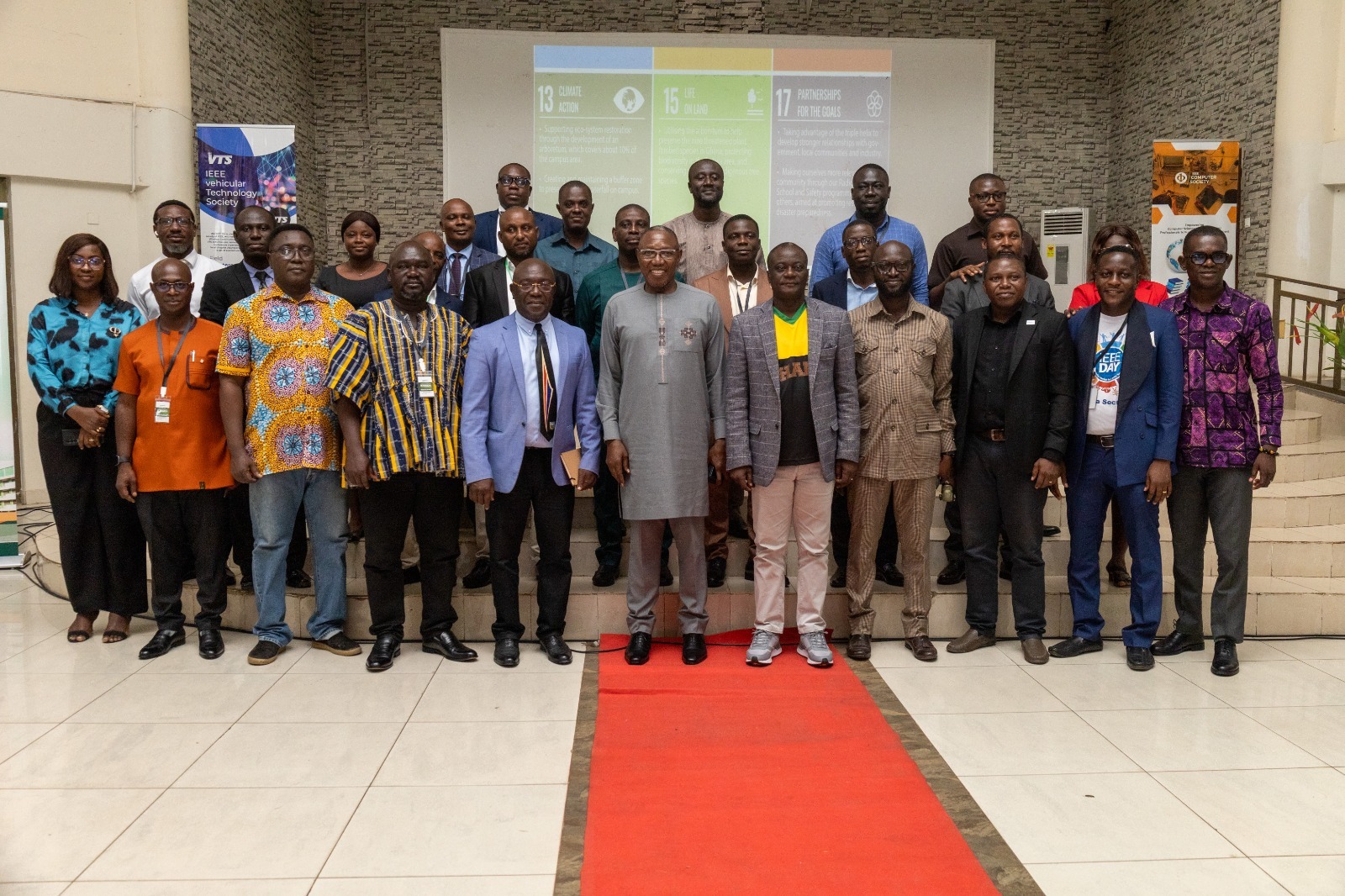
The Government of Ghana has taken a decisive step toward cementing a knowledge-driven economy with the official launch of the National Research Fund, backed by an initial seed capital of One Hundred Million Ghana Cedis (GH¢100 million).
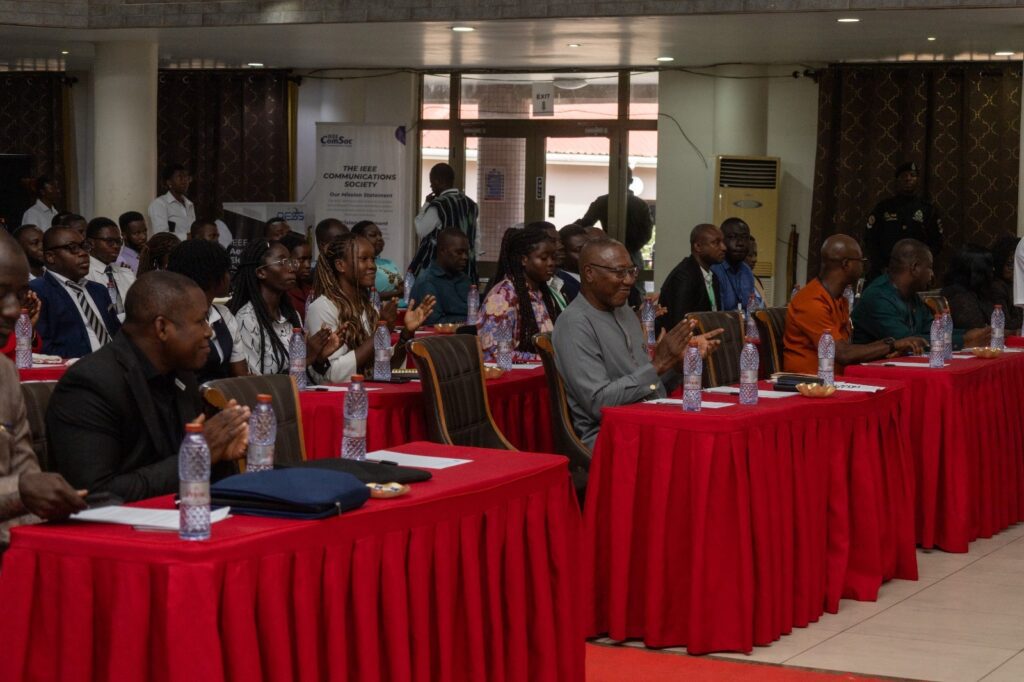
The landmark initiative was a focal point of discussion during the inaugural UMaT/IEEE International Conference on Sustainability Science and Infrastructure Development (ICSSID 2026), held here.
Convened under the theme “Advancing Sustainable Science and Innovative Infrastructure for a Resilient Future,” the conference brought together global academics, industry leaders, and policymakers to address modern environmental and developmental challenges.
Delivering the keynote address on behalf of the Ministry of Education, the Honourable Deputy Minister for Education, Hon. Dr. Clement Abas Apaak, emphasized that the newly established fund represents a structural shift in how the nation approaches development.
He noted that the initiative, launched just days prior by His Excellency President John Dramani Mahama, is designed to directly bridge the gap between academic discovery and industrial application.
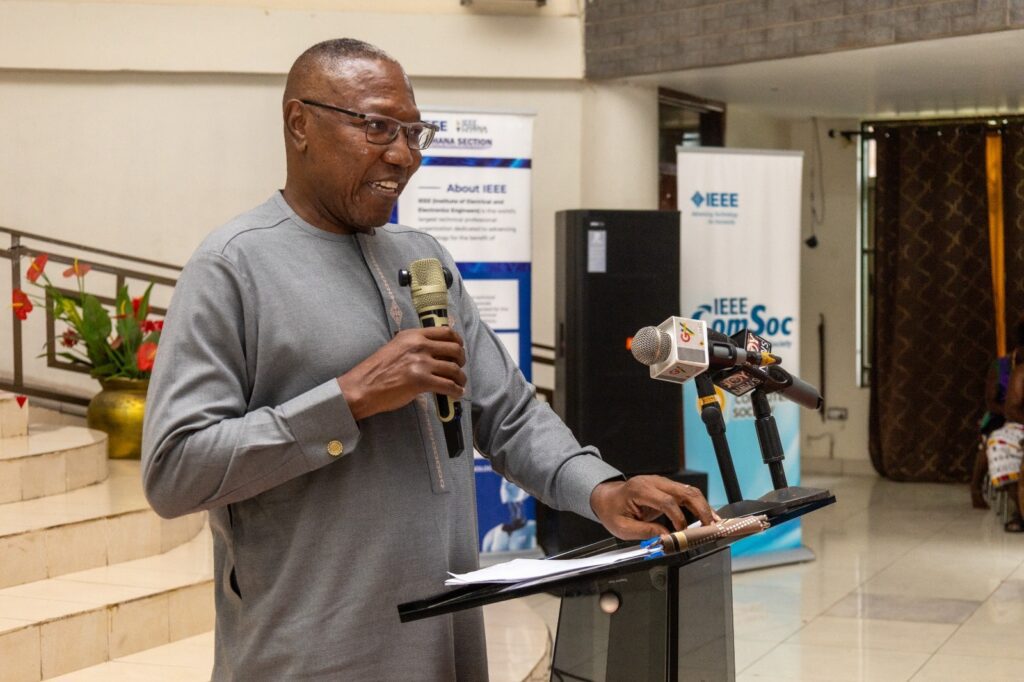
“The establishment of the National Research Fund sends a clear signal that Ghana recognizes research, science, technology, and innovation as critical drivers of sustainable development, economic transformation, and global competitiveness,” Dr. Apaak stated.
“The future we seek cannot be built on consumption alone; it must be built on knowledge creation, scientific discovery, and innovation. The National Research Fund is therefore not merely a financial instrument; it is an investment in Ghana’s future.”
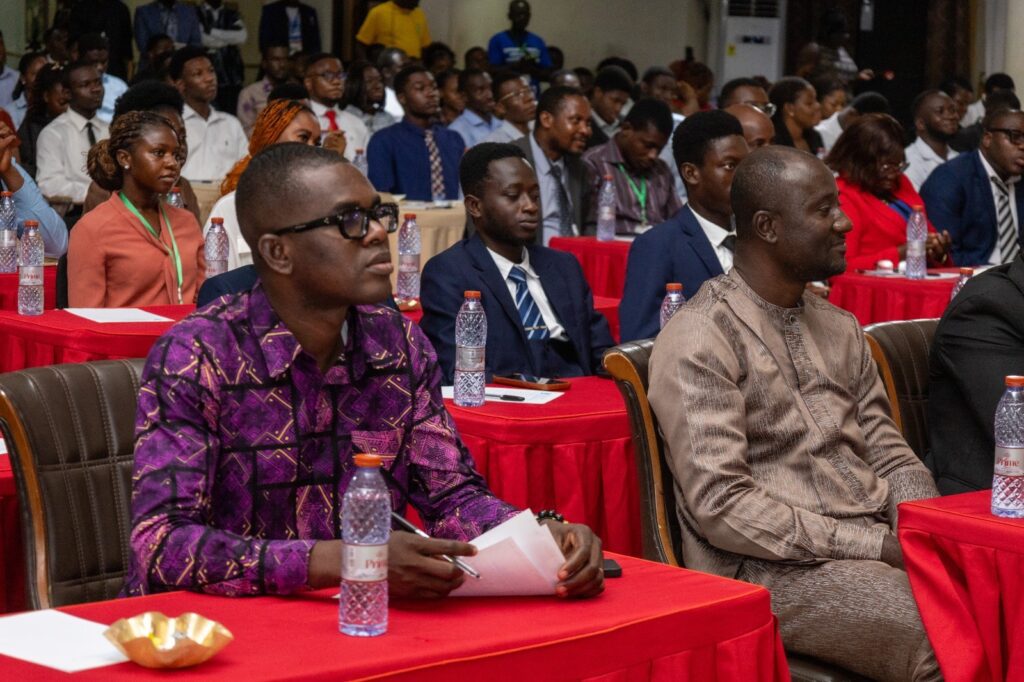
The Deputy Minister challenged the academic community, particularly host institution University of Mines and Technology (UMaT), to leverage these resources to solve immediate national problems.
He praised UMaT’s expanding footprint, specifically highlighting the Essikado Campus for its specialized focus on railway engineering and infrastructure.
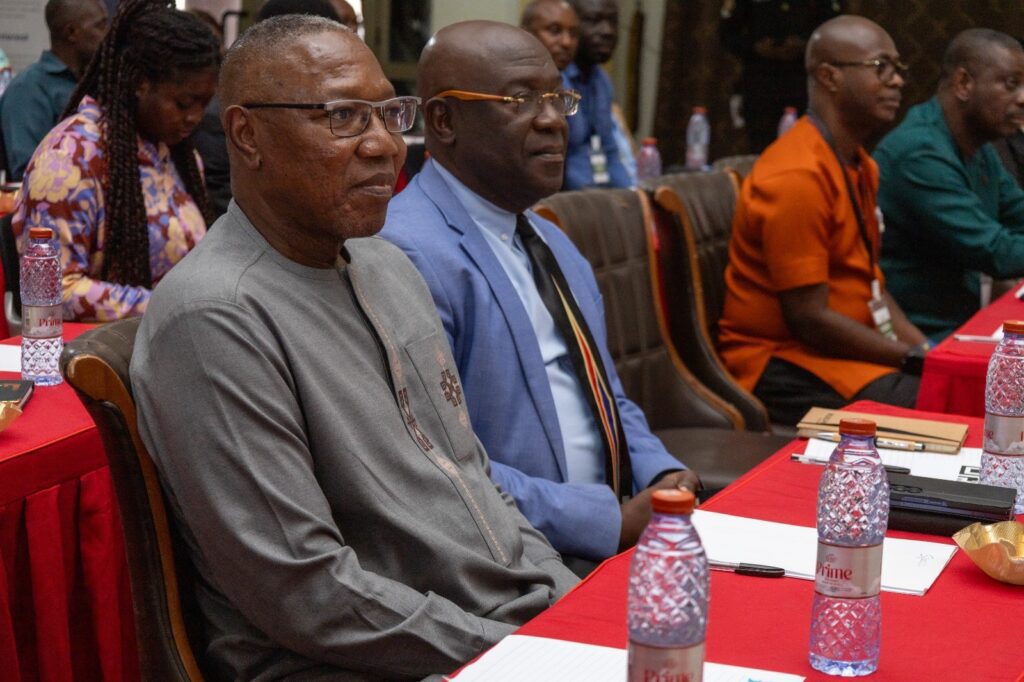
According to government officials, the push for resilient infrastructure ties directly into the state’s broader economic strategy, known as the Big Push Programme.
The agenda focuses on upgrading transportation, energy, and digital networks to withstand 21st-century environmental pressures.
However, speakers throughout the opening session reiterated that physical infrastructure cannot succeed without robust scientific backing.
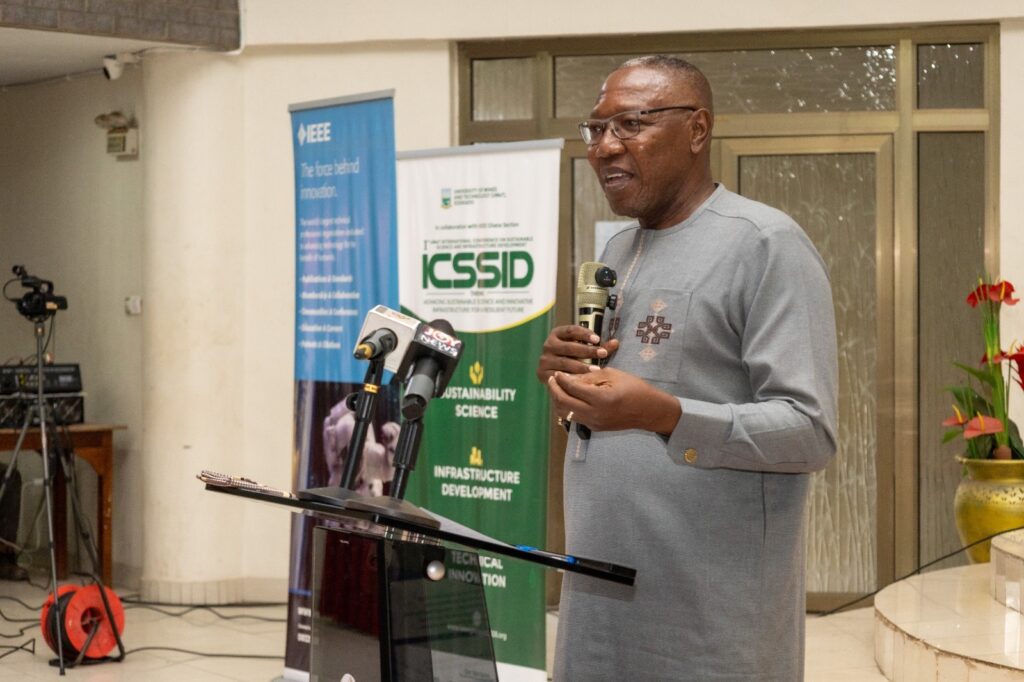
Dr. Apaak stressed that the complexity of modern climate and urbanization challenges requires a departure from traditional, siloed approaches.
“Governments need universities. Universities need industry. Industry needs researchers. Researchers need policymakers,” he noted, underscoring the necessity of international collaborations like the partnership between UMaT and the Institute of Electrical and Electronics Engineers (IEEE).

Addressing the researchers and students in attendance, the Deputy Minister concluded with a call to action regarding the ultimate metrics of academic success, urging delegates to look beyond traditional academic rewards.
“The true value of research is not measured solely by publications or citations,” Dr. Apaak said. “It is measured by its ability to transform lives, strengthen economies, protect the environment, and advance human progress. The future belongs to those who can convert knowledge into impact.”
By: Rainbowradioonline.com/Ghana