
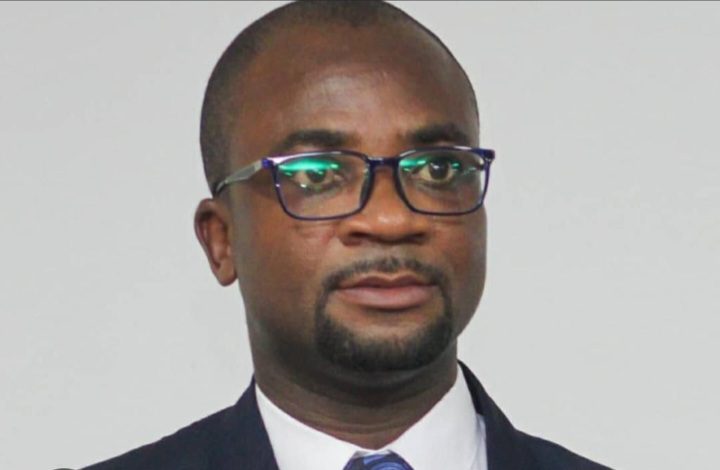
Private legal practitioner and author Tachie Antiedu has stated that although Ghana repealed the criminal libel law to guarantee media freedom and free speech, citizens still owe a legal and civic duty to protect the image and dignity of others.
Speaking in an interview on As It Is in Ghana on Rainbow Radio 87.5FM, the lawyer explained that under normal circumstances, civil suits for defamation remain the standard legal remedy when an individual’s dignity or reputation is tarnished.
However, Mr Antiedu was quick to point out that the law contains critical provisions aimed at safeguarding public peace, noting that a breach of the public peace is a criminal offence punishable by law.
He stressed that Ghanaians bear a collective responsibility to avoid actions that undermine national security and public order.
“Since 2000, when former President Kufuor came into office, he removed the criminal libel law. The laws guarantee freedom of the media and freedom of speech. However, we have the responsibility as citizens to protect the dignity and image of others. So under normal circumstances, when someone defames you or you feel your image has been damaged, you have the opportunity to sue for defamation and seek compensation,” he noted.
“But one other thing we use in protecting the peace and stability of any country is the breach of the peace, which is a crime. You should be guided so that whatever you do, it does not trigger others to harm you,” he added.
Illustrating his point with the recent one-year prison sentence handed to a young woman for insulting the President, Mr Antiedu questioned whether public insults could provoke political supporters to resort to violence and destabilise the nation.
“President Mahama has followers, and so is it not possible that these followers could launch an attack on the lady, which can cause riots and violent attacks? Don’t we have to protect against that and state that those who cause such situations should be punished? Should the remedy for such offences merely be asking those involved to pay compensation to those they insulted?” he asked.
He further clarified that certain conduct can simultaneously cross into both civil defamation and criminal liability. Beyond legal frameworks, he noted that Ghanaian cultural and value systems strongly reject reckless behaviour that defames or undermines character.
Warning against relying solely on civil actions to curb verbal abuse, Mr Antiedu emphasized that financial remedies are insufficient to address growing public hostility.
“Defamation alone cannot deal with these reckless insults and attacks on people. I am not saying so simply because it involves the President. We cannot continue to allow people to vilify, insult, and attack the image of others. These kinds of attacks destroy reputations, integrity, and the character of persons,” he stressed.
Calling for a dispassionate national dialogue on the matter, the legal practitioner voiced concern over the rise of toxic culture across digital platforms.
He observed that social media has become rife with unverified allegations and abusive language, where victims are routinely expected to absorb the damage and resort to long court battles.
Concluding his remarks, Mr Antiedu insisted that holding leaders accountable remains vital, but maintained that demanding transparency must be done constructively, without resorting to insults and personal attacks.
By: Rainbowradioonline.com/Ghana