
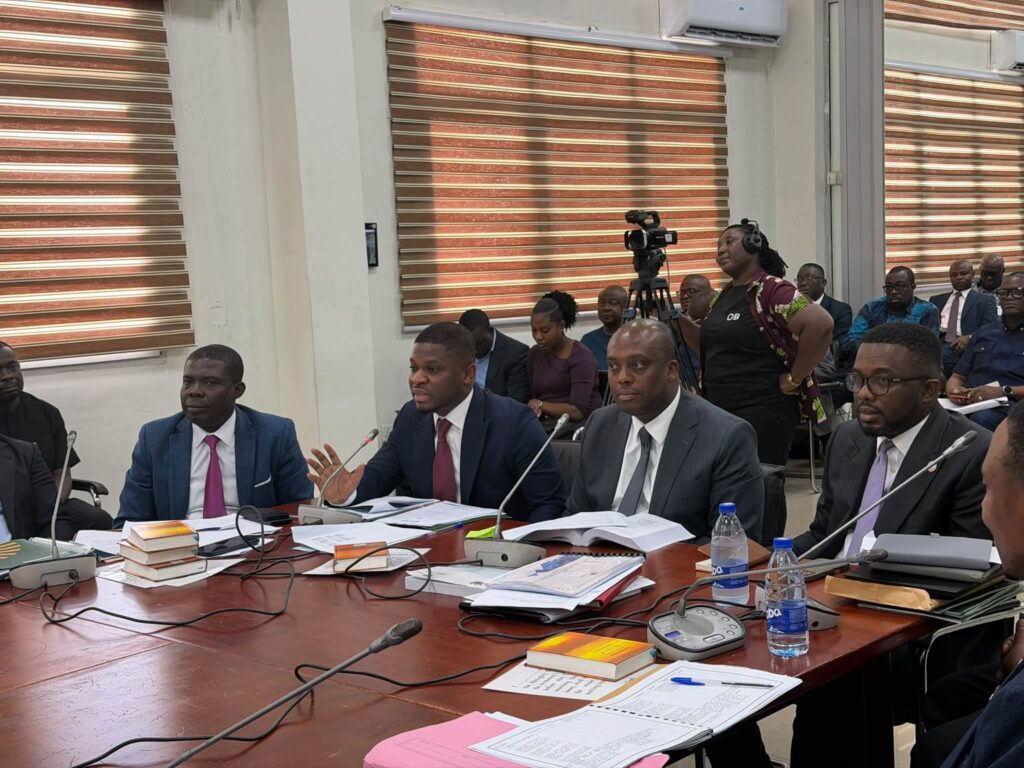
Ghana’s gold export sector is witnessing a significant transformation as the Ghana Gold Board (GoldBod) advances its dual mandate of boosting foreign exchange reserves and enforcing local value addition. Appearing before Parliament’s Public Accounts Committee on Tuesday, October 13, 2026, GoldBod Chief Executive Officer Sammy Gyamfi expressed strong confidence in surpassing previous operational milestones while maximizing economic returns from the nation’s mineral wealth.
Central to this progress is a structural shift toward domestic processing. Rather than shipping raw gold overseas, the institution now routes the vast majority of its volume through domestic refineries, creating localized economic benefits and retaining capital that previously leaked abroad.
“I’m happy to report to this honourable committee that, as we speak, about 80 to 90 per cent of the gold we purchase and export is refined here locally,” he said.
This pivot to local refining is yielding widespread economic dividends beyond primary gold exports. Domestic processing facilities operating around the clock are generating direct employment, keeping processing fees within Ghanaian financial channels, and capturing valuable secondary minerals like silver for local manufacturing and extra foreign income.
“That means jobs for the unemployed youth because these refineries are operating 24/7, employing Ghanaians, and the refining fees which would have ended up in export destinations are being retained in our economy,” he said.
Created to oversee gold trading, particularly from artisanal and small-scale miners, GoldBod continues to serve as a crucial pillar for foreign currency stabilization. Driven by expanded domestic processing capabilities and strong trading activity, the organization expects its full-year financial and volume metrics to set a new benchmark.
“This year we are on track to at least meet and possibly exceed our 2025 gold purchase and export targets, as well as substantially exceeding our foreign exchange generation targets for the year 2025, which was 10.8 billion United States dollars,” he said.
By: Rainbowradioonline.com/Ghana