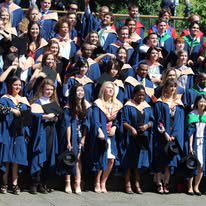
When people at the University of East Anglia admired my colourful Made in Ghana clothing, I had a ready reply: “I am here to brighten the UK!”
It was a joke about the contrast between my clothes and the darker colours I often saw around me. But it also captured something I loved about my time in Britain. I had come to learn, and I had something to share. My clothes started conversations. Conversations became friendships. And those friendships became part of an experience that continues to shape my life.
Today, I serve as a Presidential Aide and Coordinator for Governance and International Affairs at the Office of the Senior Presidential Advisor on Governmental Affairs, Office of the President of Ghana. When I reflect on the journey that brought me here, my thoughts often return to Norwich, to the people who welcomed me, and to the scholarship that made it possible.
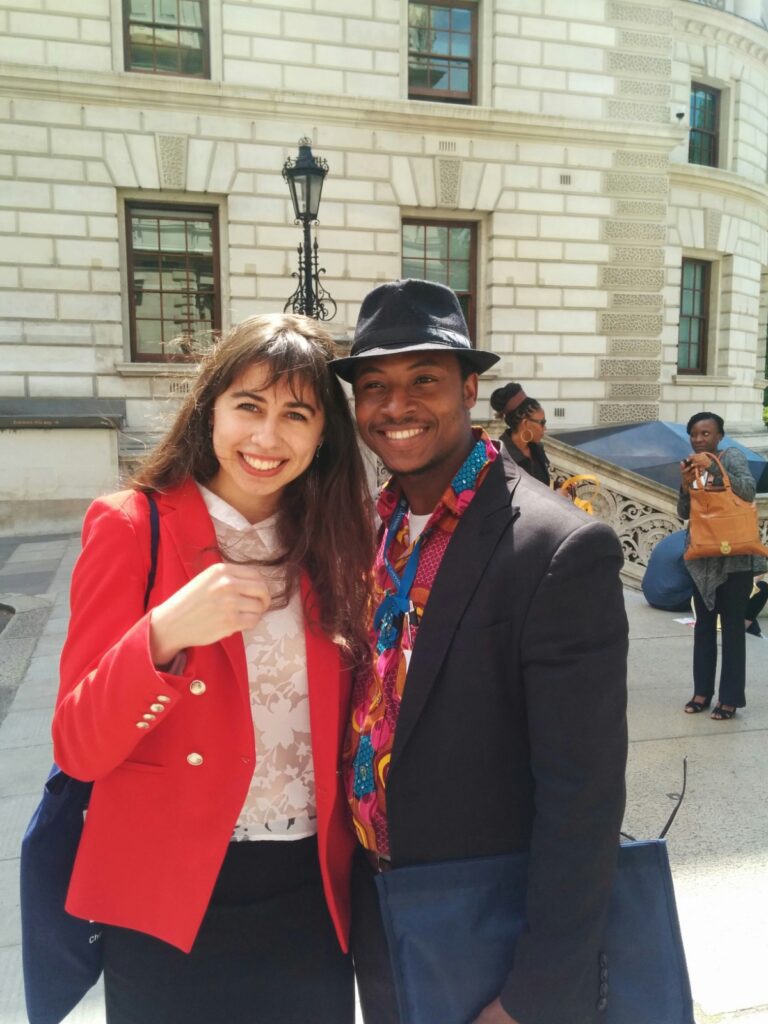
In 2014, I was fortunate to receive a UK government Chevening Scholarship to study at the University of East Anglia. I knew it was a significant opportunity. I could not yet know how deeply it would influence my confidence, my relationships and my approach to public service.
Someone had seen potential in me and chosen to invest in it. That belief encouraged me to expect more of myself.
At UEA, my studies in conflict, governance and international development gave me a deeper understanding of questions that remain central to my work: how institutions serve people, how societies manage differences, and how public decisions can improve lives. Learning alongside people with different national and professional experiences broadened the way I approached those questions.
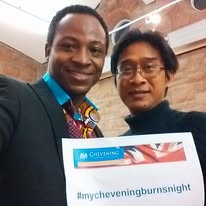
I came to appreciate how differently people can understand the same problem. Their perspectives reflected histories and circumstances that I needed to understand before reaching a judgement. That lesson remains useful in governance and international affairs, where listening carefully can be as important as making a persuasive argument.
There was also the everyday adjustment to life in another country: the climate, unfamiliar accents, different social habits and new academic expectations. Culture shock made me more observant. It invited me to reconsider familiar assumptions and to appreciate what it means to find your place somewhere new.
Norwich soon became a place of friendship. I joined its salsa community and found another way to connect with people beyond university life. Through dancing, conversation and shared enjoyment, the city became more familiar and welcoming.
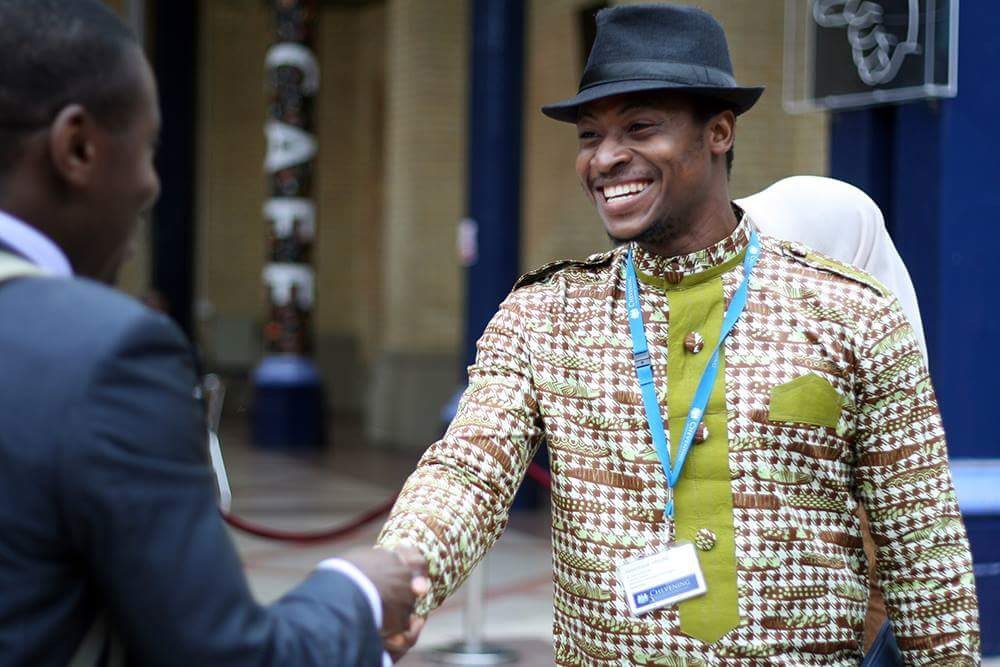
My involvement in Rotary and Rotaract before travelling to Britain opened another door. I attended Rotary meetings in Norwich, made good friends and had opportunities to speak about Ghana. My travels took me to Great Yarmouth, Ipswich, North Norfolk and Cambridgeshire, among other places. Rotary clubs gave me opportunities to meet people in their communities and share something of my own country. A surviving club record of my “Life in Ghana” talk is a welcome reminder of those exchanges.
Through Rotary connections, including Rotarians who were Members of Parliament, I made my first visit to the UK Parliament. Seeing the House of Commons and the House of Lords, and meeting people within that environment, brought institutions I had read about into direct view. For someone interested in governance, it was a memorable experience.
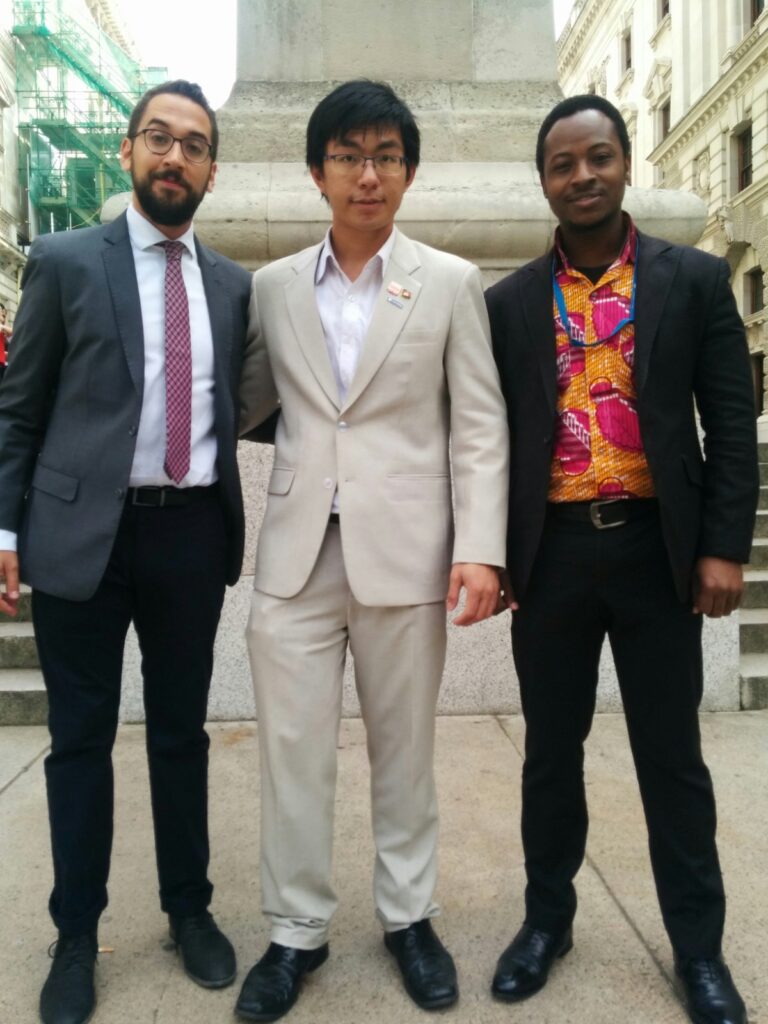
My visits to Edinburgh added another dimension. Travelling beyond Norwich helped me appreciate the different identities and histories within the United Kingdom. Much of my education happened through these encounters, in places and conversations that no course outline could fully anticipate.
Among the people who made a lasting difference was my mentor, Graham Dacre CBE, the Norwich philanthropist. Graham made time for me beyond my academic life. We spoke about business and life generally, and I valued his advice and encouragement. He was there at my graduation, sharing a moment that meant a great deal to me.
His kindness gave a personal meaning to the welcome I experienced in Britain. It also reminded me how much a person can contribute simply by making time for someone else. When I think about mentorship today, I remember the value of that attention.
I also remember my friend Mario, a dentist originally from Chile who had grown up in Stockholm before making his way to the UK. We played badminton together. His journey, like those of so many people I met, revealed how much of the world could be present in one friendship.
Through Chevening and university life, I made friends from Bangladesh, Malaysia, Eastern Europe and many other places. Countries I had previously known mainly through maps and news reports became connected to people I cared about. International affairs acquired a more personal dimension.
Those connections still matter. I enjoy checking in with colleagues on Facebook, reconnecting with alumni in Abuja and elsewhere in Nigeria, and hearing from friends in Georgia, Kenyan, Zambia, Zimbabwe, South Africa, Mongolia, Russia, Ukraine and Lithuania. Even a brief exchange can renew a friendship and remind us of the experience we share.
The knowledge and relationships I gained helped prepare me for responsibilities I could not fully have imagined in 2014. My work today requires careful communication, an understanding of institutions and an ability to engage across cultures. I recognise the influence of Chevening in how I approach each of these.
I returned to Ghana with ideas about changes I hoped to support and a stronger desire to make my learning useful. That responsibility continues. Exposure to other societies is most valuable when it helps us ask better questions about our own and contribute with greater understanding.
My connection with the scholarship also continued through service as President of the Chevening alumni community in Ghana and engagement with prospective students. Sharing the experience is one way to express my gratitude. I know what encouragement can mean to someone wondering whether such an opportunity is within reach.
My story belongs within a much larger community. Chevening reports more than 60,000 leaders and changemakers across over 140 countries and territories. Its alumni contribute across public service, business, research and civil society. Alongside prominent achievements are quieter contributions: a better institutional decision, a young person mentored, a community initiative sustained.
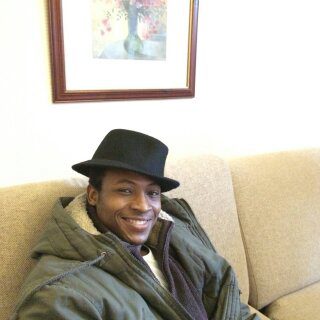
To those considering Chevening, my advice is to think seriously about what you hope to contribute. If the opportunity comes, study with commitment and remain curious about life beyond your classroom. Make friends outside familiar circles. Explore. Share your culture. Some of the experiences that shape you most may begin with a simple conversation.
To my fellow Cheveners, wherever you are, I extend an open invitation to stay connected. If your work brings you to Ghana, reach out. Let us exchange ideas, learn from one another and explore practical opportunities to contribute together. The spirit of friendship that brought us together can continue to support the work we do in our respective countries.
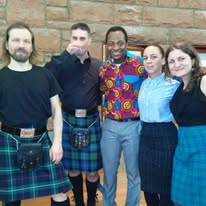
To the UK government, the British High Commission in Accra, the Chevening team, UEA and the friends who made Britain feel like home: thank you. Your investment and kindness remain part of my life.
I went to Norwich to study, wearing the colours of Ghana. I returned with a wider view of the world and friendships that still enrich it. Today, as I serve my country, I carry that experience with gratitude and a continuing sense of responsibility.
I am Chevening. And the story continues.
Abdul-Razak Yakubu is a Chevening alumnus of the University of East Anglia and a former President of the Chevening alumni community in Ghana. He serves as a Presidential Aide and Coordinator for Governance and International Affairs at the Office of the Senior Presidential Advisor on Governmental Affairs, Office of the President of Ghana. The views expressed are personal.