Every year, preventable boat accidents continue to claim the lives of mothers, children, traders, and fishermen, turning routine journeys on our waterways into tragedies.
Overloading, failure to wear life jackets, the absence of navigation lights, inadequate weather information, and the use of substandard boats remain some of the major safety lapses contributing to these recurring incidents, raising concerns about the enforcement of maritime safety regulations and the urgent need for stronger measures to protect lives on the water.
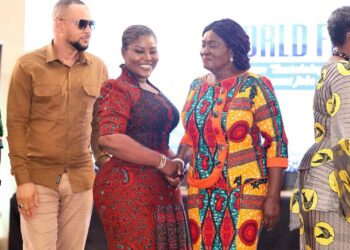
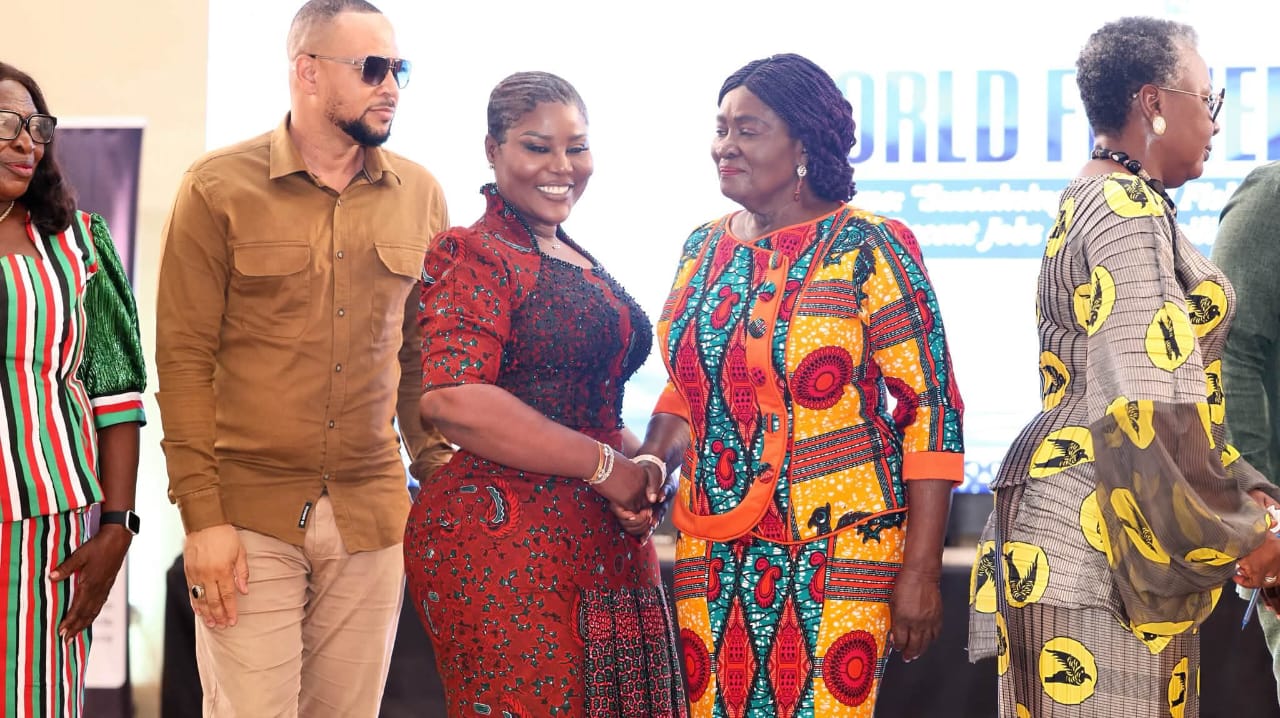
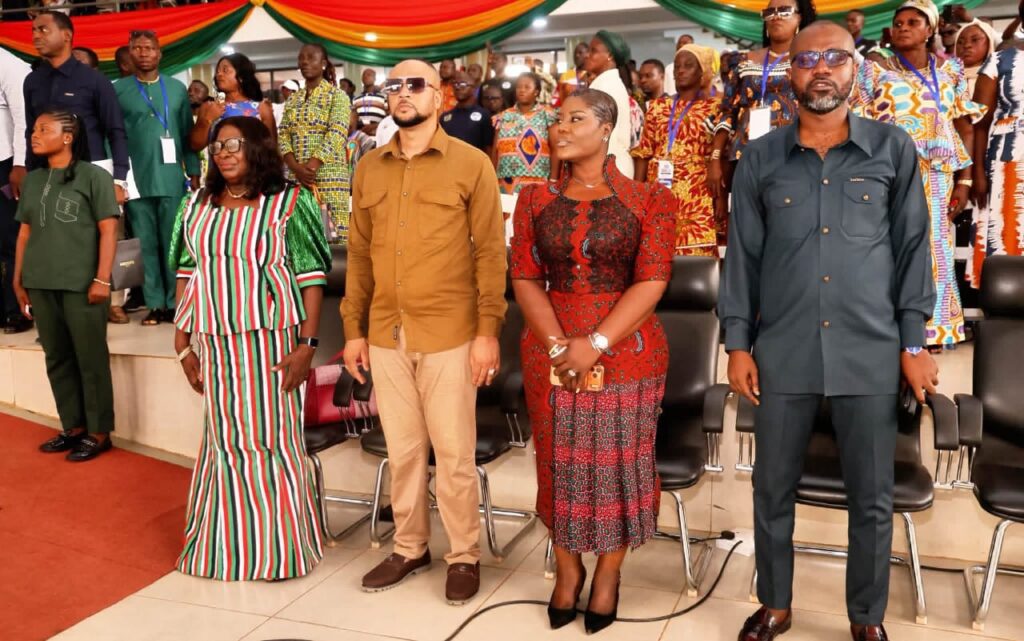
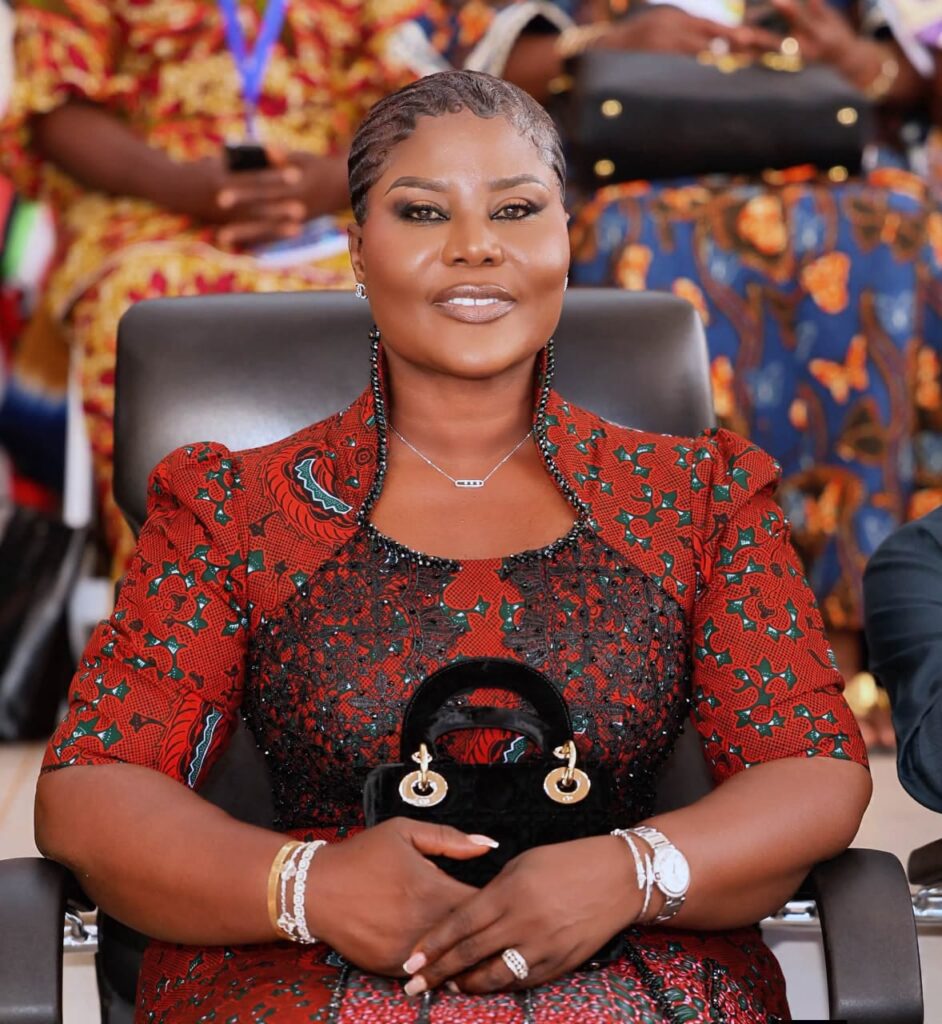
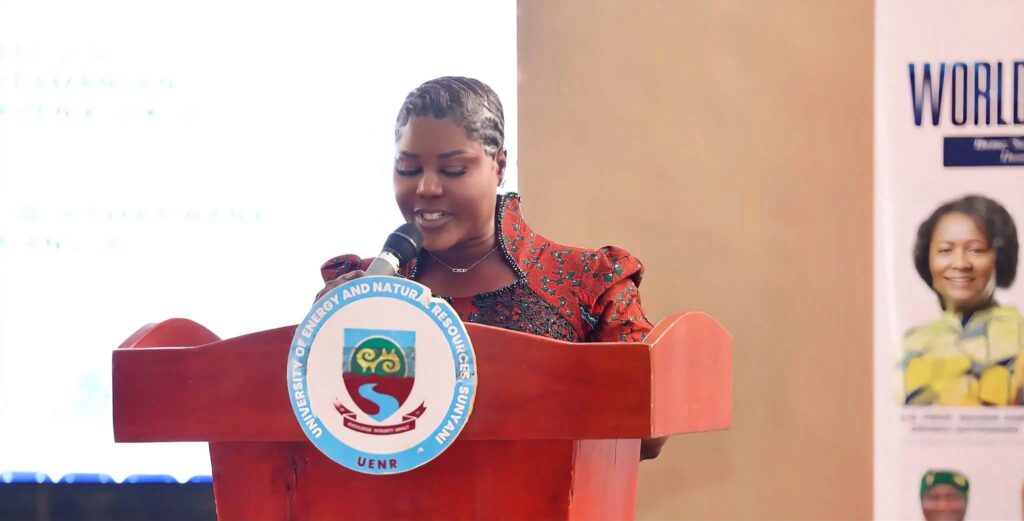
These were the words of the Deputy Minister for Transport, Dorcas Affo-Toffey, at the Inland Water Transport Conference and Awards held in Sunyani.
“Every day, a fisherman in Yeji, Krachi, Kpando Torkor, or Ada catches fish that rots before it reaches the market in Kumasi or Accra because there is no cold chain, no scheduled ferry, no safe landing site and no connecting roads to the markets. Similarly, a market woman in Dambai spends 6 hours on a bad road to cover what a 45-minute boat ride could do. This is not just a transport problem, but it’s a poverty problem; this is a food security problem; this is a safety problem, and that is why my ministry is here today to declare a reset,” the Deputy Minister, who is also the Member of Parliament for Jomoro Constituency in the Western Region, added.

She said, “Under the Ghana Reset Agenda, spearheaded by H.E. President John Dramani Mahama and Her Excellency the Vice President, Prof. Jane Naana Opoku-Agyemang, we have a simple vision of ensuring that no Ghanaian should risk their life to cross any waterway to earn a living.”
”For the reset agenda, safe and efficient inland water transport means three things: First: Safety is not negotiable. It is not a suggestion. It is a right. Second, efficient: a boat that leaves at 6am and arrives at 10am is not efficient. We need schedules, reliable engines, proper landing sites, and integration with road transport that makes access to market efficient and effective. Third, Inclusive: Inland water transport must serve the fisherman, the market woman, the school child, and the pregnant woman going to the clinic – not only the wealthy tourist or the mining company.”
Madam Affo-Toffey said, “In addressing the theme I am to speak on, that is, ‘Safe and Efficient Inland Water Transport: Connecting Fishing Communities, Improving Market Access, and Supporting Sustainable Livelihoods’, let me be specific about government actions of moving from policy to action.”
She said, “To ensure safety and make navigation secure, the Ministry’s strategy is to support enforcement and not just advise.”
“Through the Ghana Maritime Authority, we are enforcing mandatory life jackets and boat registration as one of the safety measures to prevent accidents on the waters. Every commercial passenger boat must be registered, inspected, and equipped with life jackets. We are emphasising on the mantra ‘No jacket, No journey’. We have also been working with the Ghana Navy, the Fisheries Commission and the District Assemblies and have distributed over 20,000 approved life jackets to vulnerable landing sites as the first phase of our safety project.”
The Deputy Minister said, “Just as we license drivers in land transport through DVLA, we will license boat operators (pilots) on water. A boat is not a toy. The operator must know navigation, weather, and rescue.”
“We are partnering with the Ghana Meteorological Agency to provide daily lake weather forecasts via community radio and mobile SMS in local languages. And we are installing navigation beacons and channel markers on the main Volta Lake routes – Akosombo to Buipe, Yeji to Makango, and Kpando to Dambai.”
The Jomoro MP added, “We are establishing community-based rescue teams at 12 major landing sites, with training and equipment, because help must come in minutes, not days. The above interventions are strategies the Ministry is pursuing with the relevant stakeholders to ensure safety in our water transport system in the country.”
”Efficient water transport to connect fishing communities to markets: fishing communities do not need charity; they need connection. That is why we are taking the following steps to ensure that communities are properly connected.”
The Deputy Transport Minister said, “The Ministry, in partnership with the Ministry of Fisheries and Aquaculture and support from stakeholders, is prioritising some landing sites with concrete jetties, covered waiting areas, solar-powered cold storage, and clean water for construction to improve infrastructure along the waterways. When fish stays fresh, the fisherman earns more, and Ghana eats better.”
”The Volta Lake Transport Company is being revitalised, not as a bloated state company, but through public-private partnership. Private operators will bring modern ferries; the government will provide regulation, landing infrastructure, and safety oversight and ensure that scheduled ferry services are provided to connect communities to move around. We are starting with the Akosombo-Yeji-Buipe corridor – our economic spine on the Volta Lake,” she added.
She added that “a boat that arrives at a landing site with no road, no trotro, no market, is a journey to nowhere. In the National Transport Policy, the document that guides the development of the transport sector in Ghana, it was clearly spelt out that every inland water project must have a last-mile road link to integrate water and road, and that is where we work with our sister Ministry of Roads and Highways to ensure this is achieved.”
”This means fish from Kpando can reach Ho in 1 hour. Fish from Yeji can reach Kumasi the same day. Yams from Krachi can reach Accra without rotting on a truck. That is what we call connectivity and market access and facilitate the generation of income to support sustainable livelihoods.”
Madam Affo-Toffey said, “We cannot develop water transport by destroying the water that feeds us; that is why our policy hinges on sustainability. The sustainability campaign is anchored on 3 pillars spelt out as follows: Cleaner Boats, Cleaner Lake: We are phasing out old, polluting outboard motors and promoting fuel-efficient and, where possible, solar-assisted boats. We are working with communities to stop the dumping of waste and plastics into our rivers. Women at the Centre: 70% of fish processing and trading is done by women. Yet women own less than 5% of boats. Through our Women in Maritime programme, we are supporting women’s cooperatives to own boats, own cold storage, and sit on landing site management committees. You cannot talk about livelihoods without talking about women. Jobs for the Youth: Boat building, engine repair, fish processing, tourism, logistics – inland water transport is a job creator. We are partnering with CTVET to train 500 youth in modern boat building and marine engine maintenance over the next two years. The lake must employ its own children.”
By: Rainbowradioonline.com/Ghana