The Government has officially launched the National Menstrual Hygiene Taskforce to coordinate efforts aimed at eliminating period poverty and improving school attendance among young girls across the country.
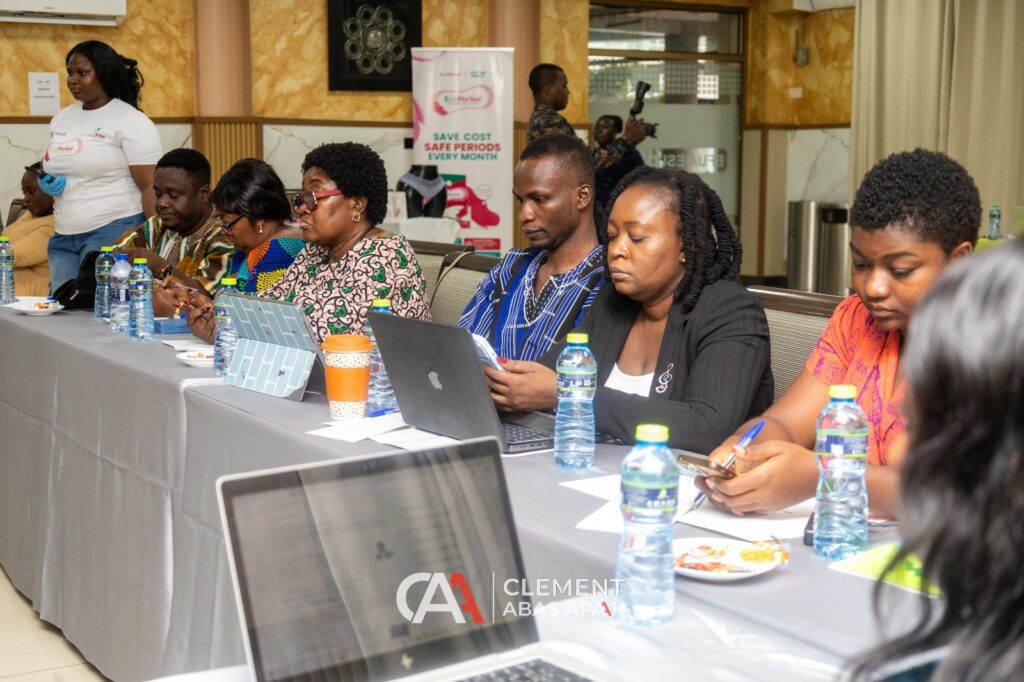
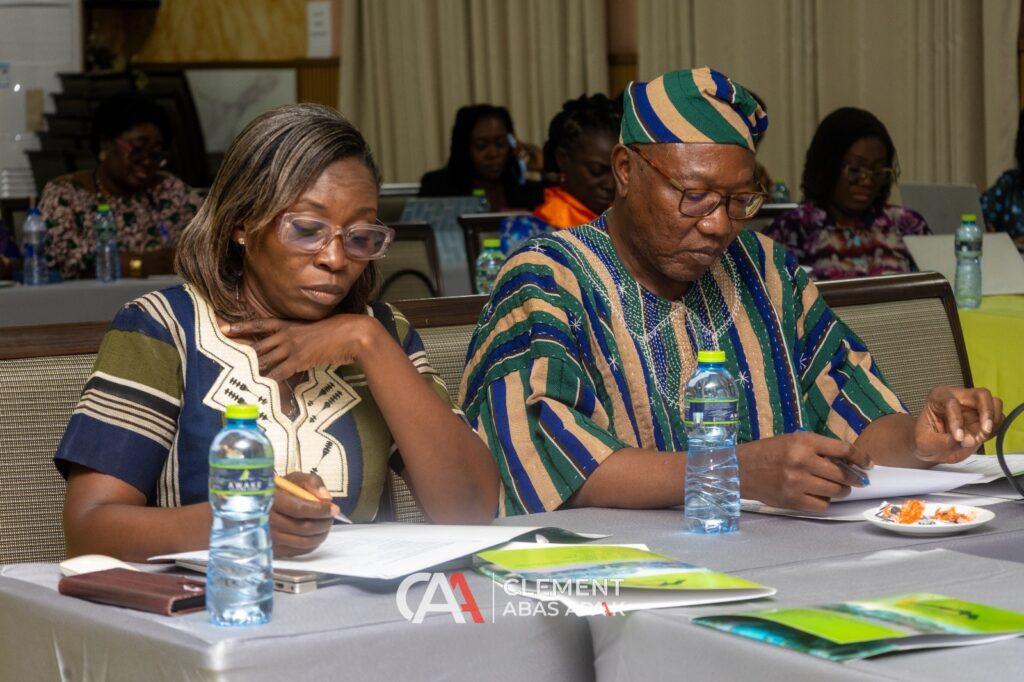
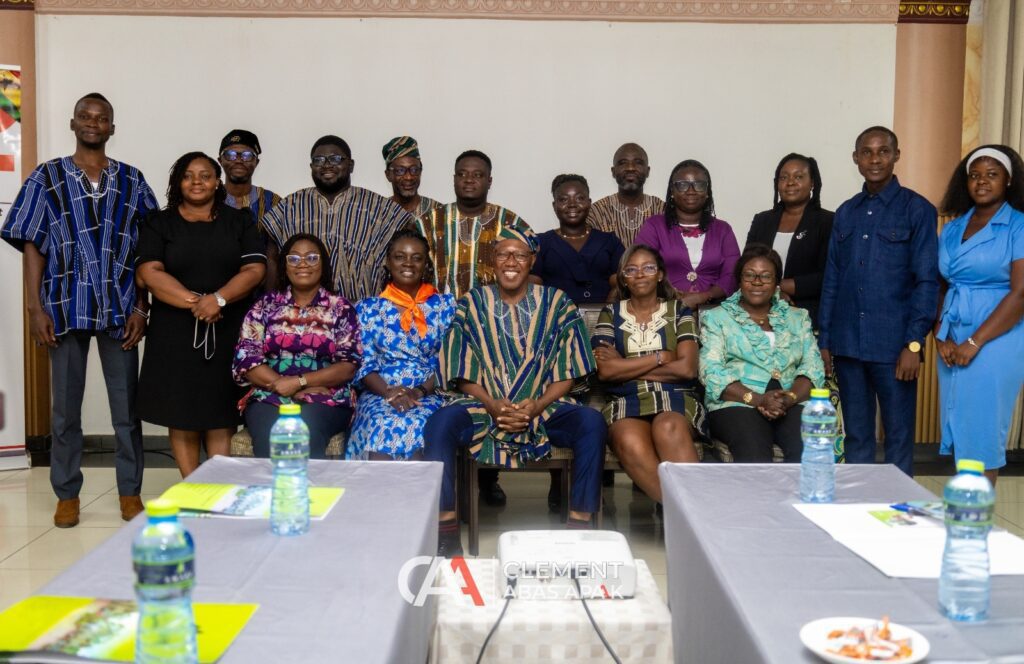
Inaugurating the multi-sectoral body at the Ange Hill Hotel in East Legon, Accra, on Wednesday, November 25, 2026, the Deputy Minister for Education, Hon. Dr. Clement Abas Apaak, described the move as a vital step toward safeguarding the health, dignity, and educational rights of female students.

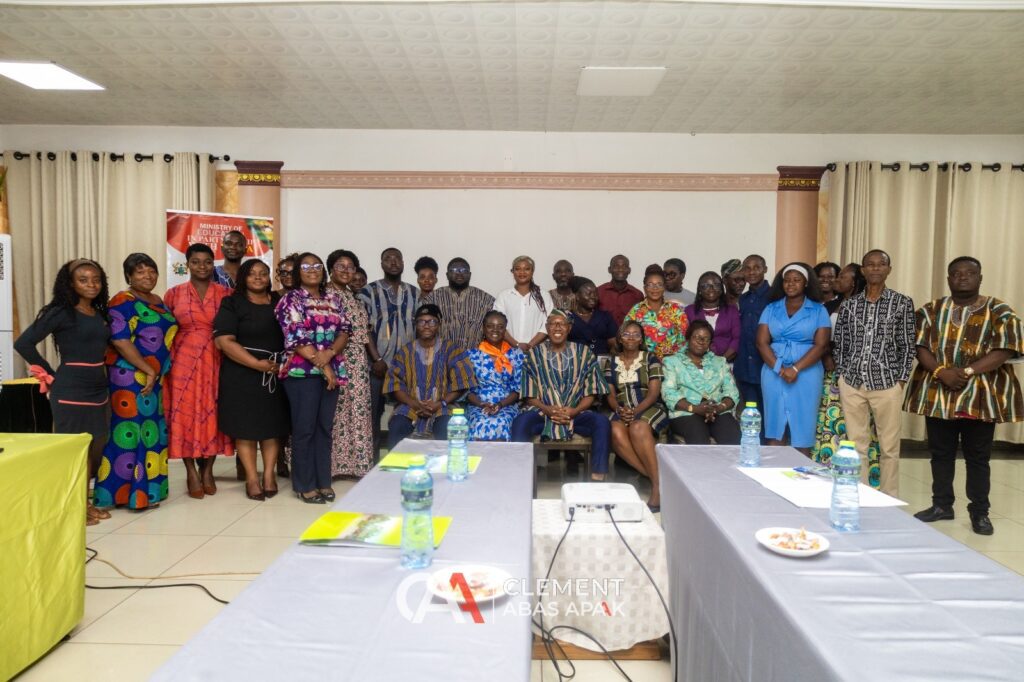
The taskforce brings together representatives from key ministries, the United Nations Population Fund (UNFPA), civil society organisations, traditional and religious leaders, academia, and the private sector to drive policy implementation and accountability.
Dr. Apaak, who also serves as the Member of Parliament for Builsa South, stressed that poor menstrual hygiene management continues to force many girls out of the classroom due to stigma, inadequate sanitation facilities, and a lack of affordable sanitary products.
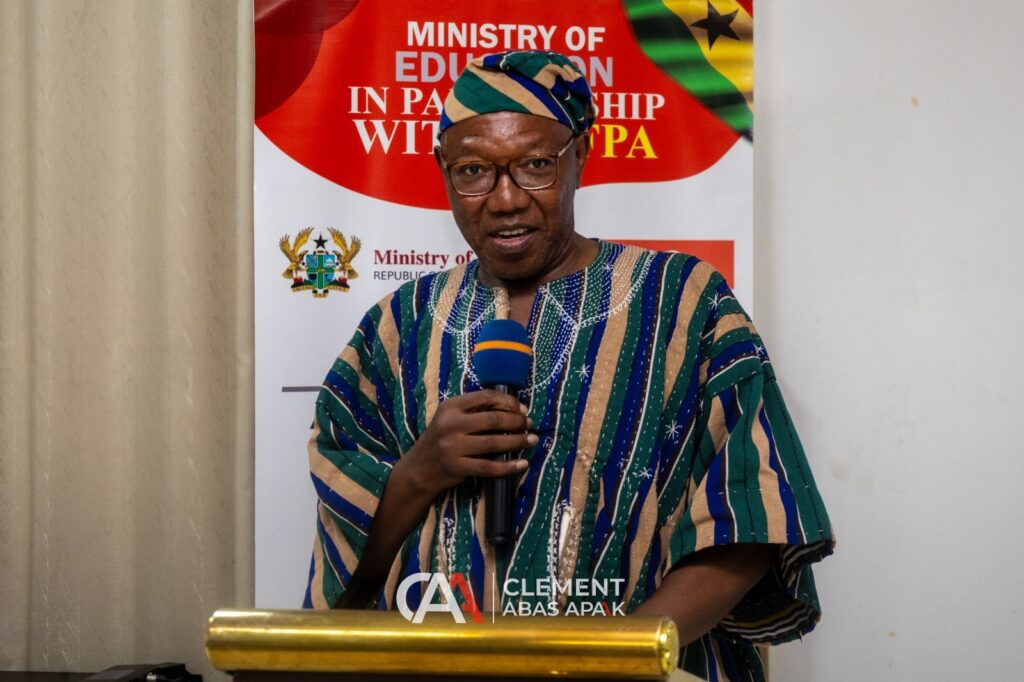
“Menstruation is a natural biological process experienced by millions of girls and women across our country. Yet for far too many girls, it still brings challenges that affect their education, health, confidence and well-being,” Dr. Apaak stated. “As a nation committed to inclusive and equitable quality education, we cannot allow menstruation to become a barrier to learning.”
He noted that the Ministry of Education views menstrual health not merely as a medical concern, but as a fundamental human rights and gender equality issue.
According to him, lasting change requires moving beyond the mere distribution of sanitary products to providing clean water, safe and private washrooms, and comprehensive menstrual education in schools.
Urging members of the newly formed taskforce to prioritise tangible outcomes over rhetoric, the Deputy Minister called for greater community engagement to break the cultural silence surrounding menstruation.
“As we launch this Taskforce, I urge all stakeholders to stay focused on results. Let us move beyond conversation to action. Let us ensure that policies become real improvements in schools and communities, and let us listen to the voices of girls and young women and place their needs at the centre of our work,” he charged.
Dr. Apaak further commended the UNFPA and other development partners for their sustained technical and financial backing, expressing confidence that the taskforce will align Ghana’s educational interventions with the United Nations Sustainable Development Goals (SDGs).

By: Rainbowradioonline.com/Ghana