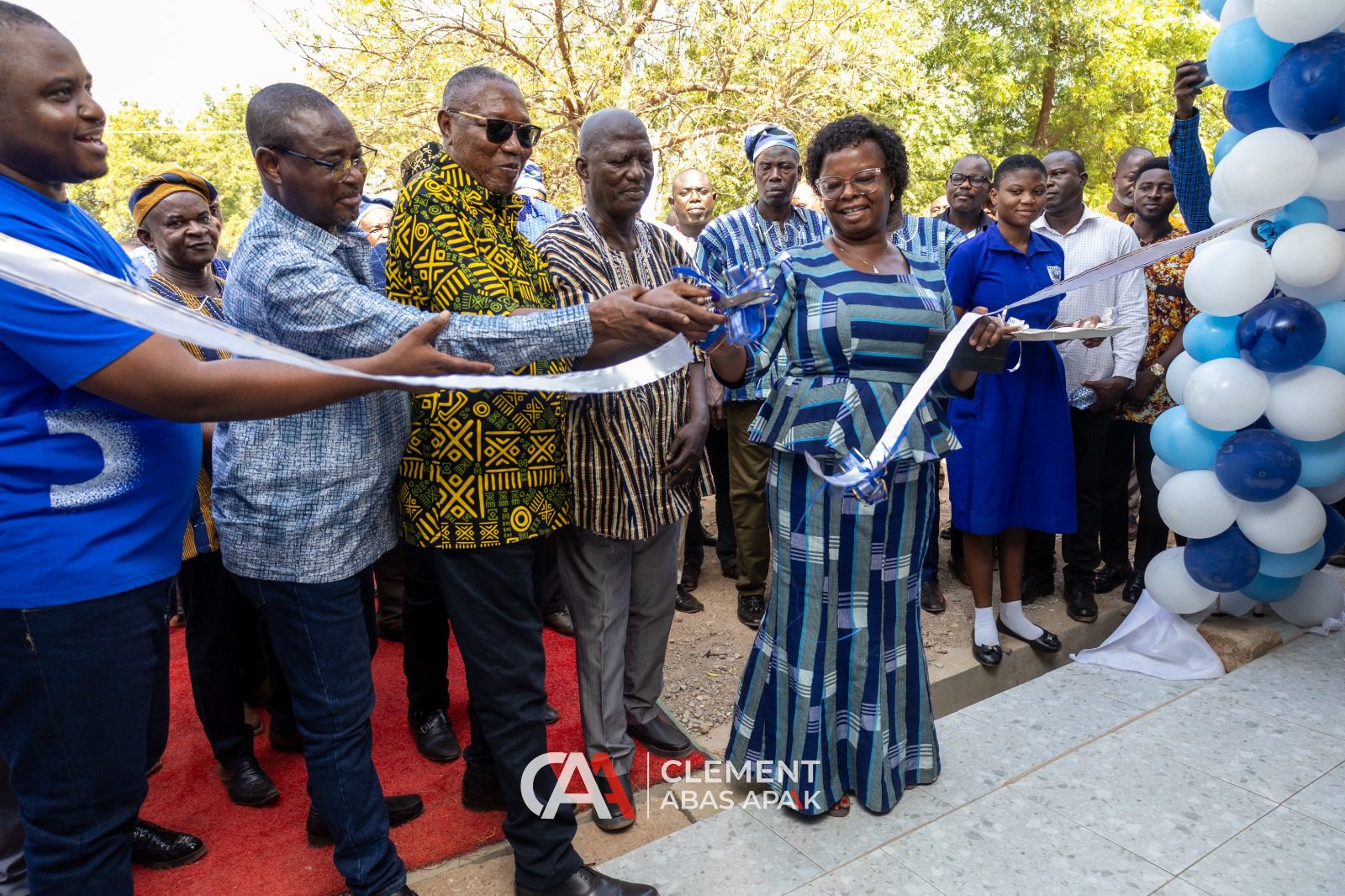
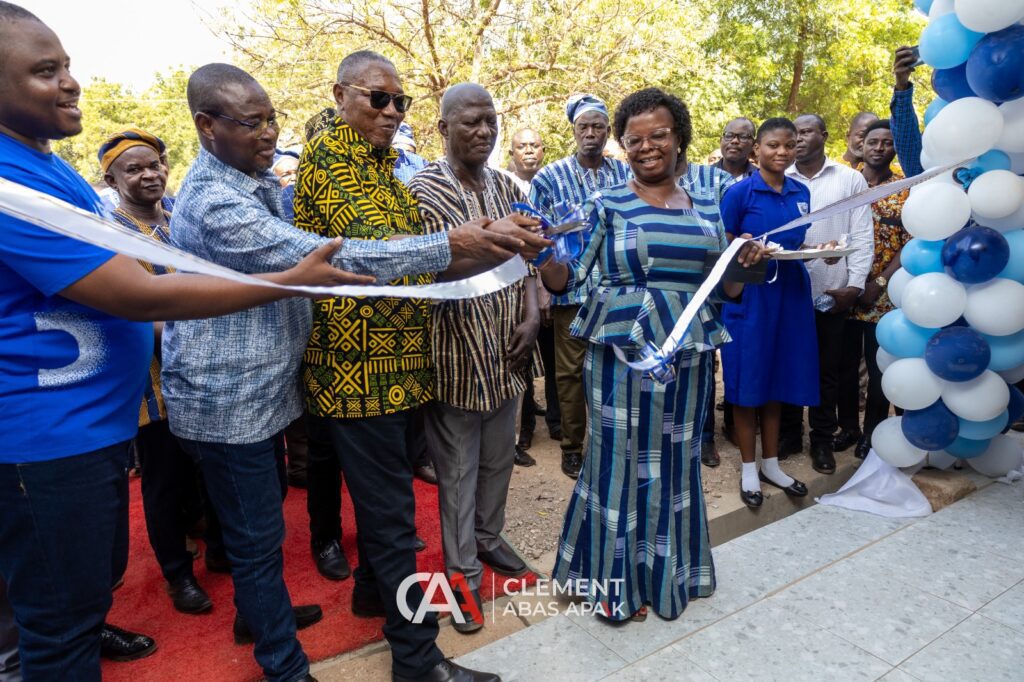
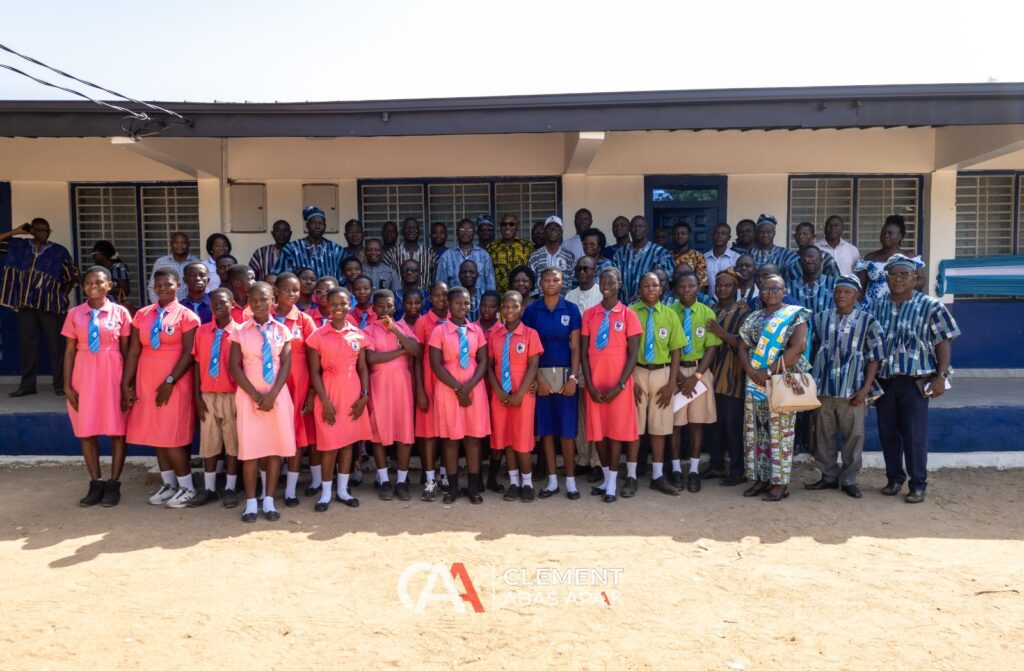
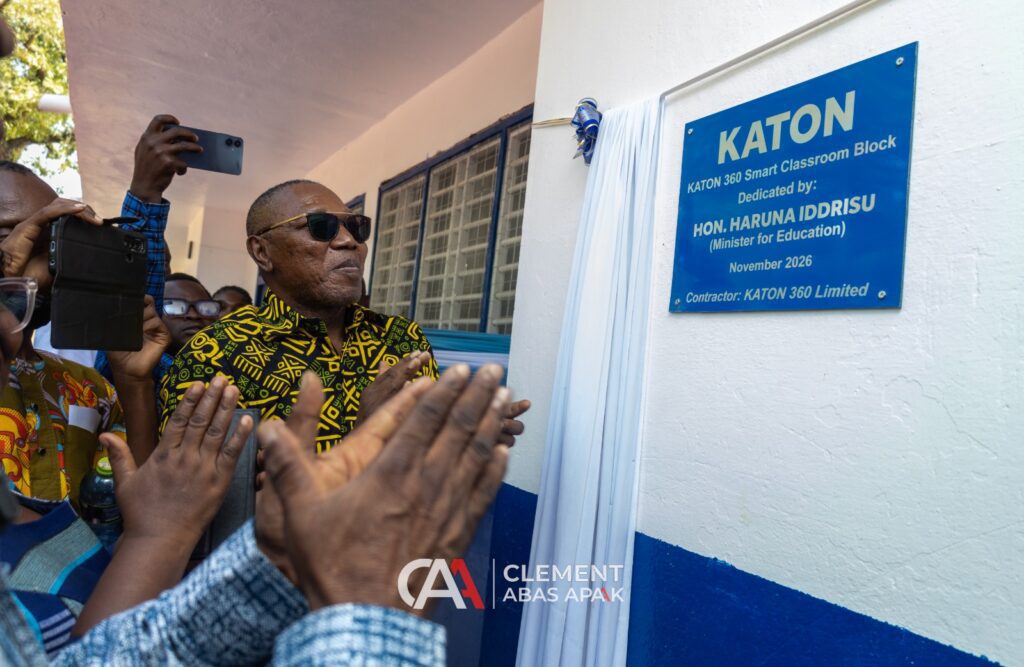
The Ministry of Education has officially commissioned a state-of-the-art Smart Classroom at Navrongo Senior High School (NAVASCO) in the Upper East Region, marking the third such facility to be inaugurated nationwide as part of efforts to modernise secondary education in Ghana.
Delivering the keynote address on Friday, November 27, 2026, on behalf of the Minister for Education, Hon. Haruna Iddrisu, who was away on other urgent official duties, the Deputy Minister for Education described the project as a major leap forward in aligning Ghanaian classrooms with global technological standards.
The Deputy Minister stressed that African nations cannot afford to lag behind in a rapidly evolving technological landscape, explaining that the Smart Classroom initiative is designed to improve student engagement and academic outcomes through modern digital infrastructure.
“A student in Navrongo can now learn from a screen that connects her classroom to the world, and that is what we have come to celebrate today,” the Deputy Minister stated during the ceremony.
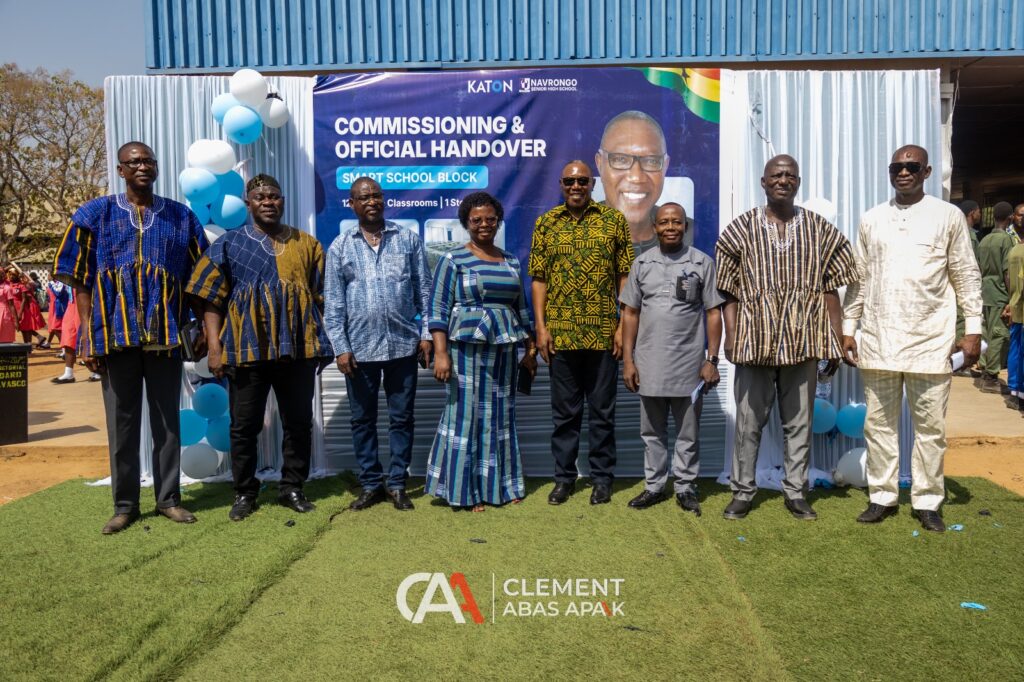
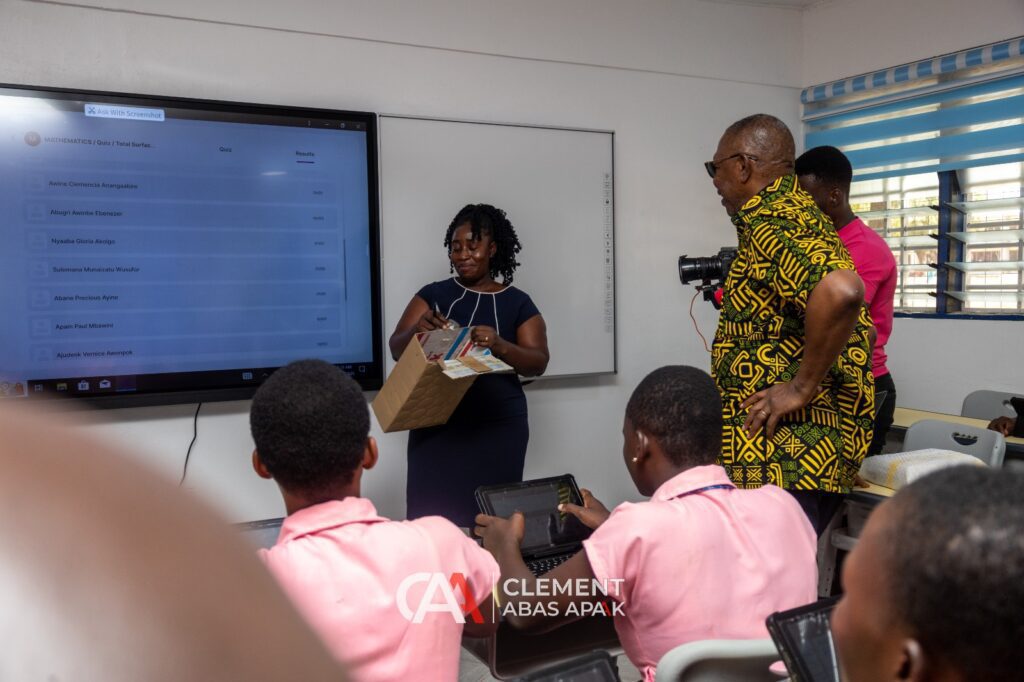
Executed by KATON, the facility comes fully equipped with high-speed internet connectivity, computers, interactive whiteboards, and projectors designed to shift teaching and learning away from traditional methods toward interactive, data-driven instruction.
“These classrooms are equipped with internet facilities, computers, interactive whiteboards and projectors, taking us beyond conventional teaching methods so teachers can create captivating lessons and use performance data to guide their instruction,” the Deputy Minister noted.
According to the Deputy Minister, a nationwide roll-out of Smart Classrooms is expected within a relatively short period as part of a broader government commitment to prepare young Ghanaians for the digital age. Beyond Smart Classrooms, the government is rolling out a specialised Artificial Intelligence laboratory alongside regional AI labs in selected senior high schools across all sixteen regions, expanding broadband access, and establishing ICT centres in underserved communities.
The Deputy Minister further highlighted that the revised school curriculum now integrates coding, digital literacy, and STEM education, while parallel reforms are strengthening access to secondary education. These include transitioning Senior High Schools from the double-track system back to a single-track academic calendar to improve the Free SHS programme, easing financial burdens on parents through the No Fee Stress policy, and uncapping the Ghana Education Trust Fund (GETFund) to unlock additional resources for the sector.
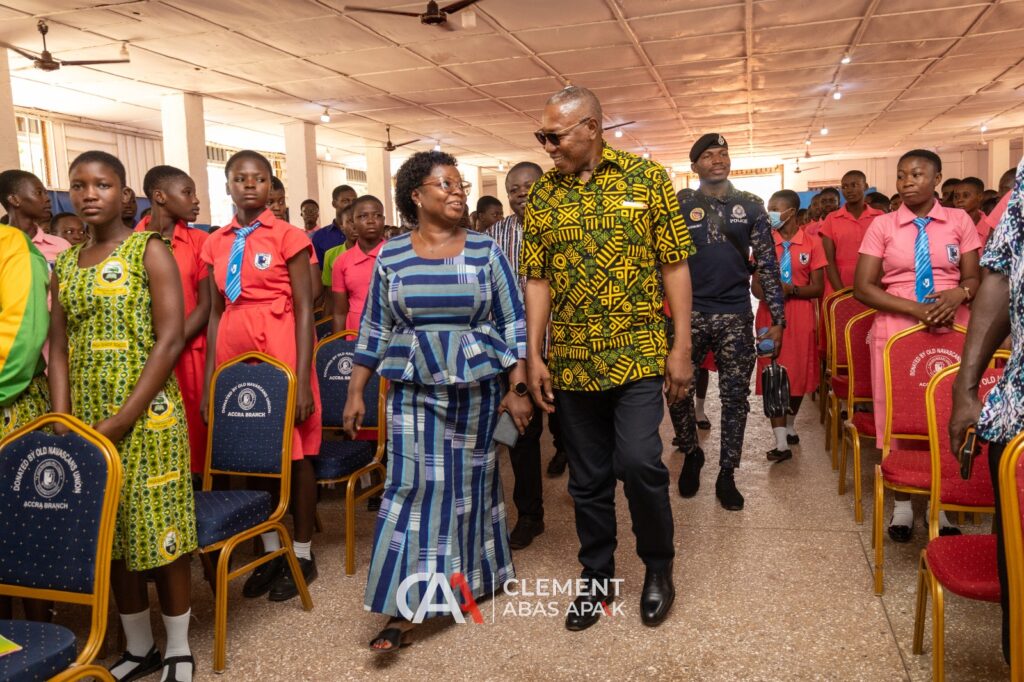
Addressing the school community, the Deputy Minister emphasised that the true impact of the investment depends on how effectively it is utilised.
“Technology is a tool, and its value is in what teachers and students do with it,” the Deputy Minister remarked. “To the teachers, use this classroom creatively, and to the students, use it to learn, explore and grow, while watching over the equipment as your own.”
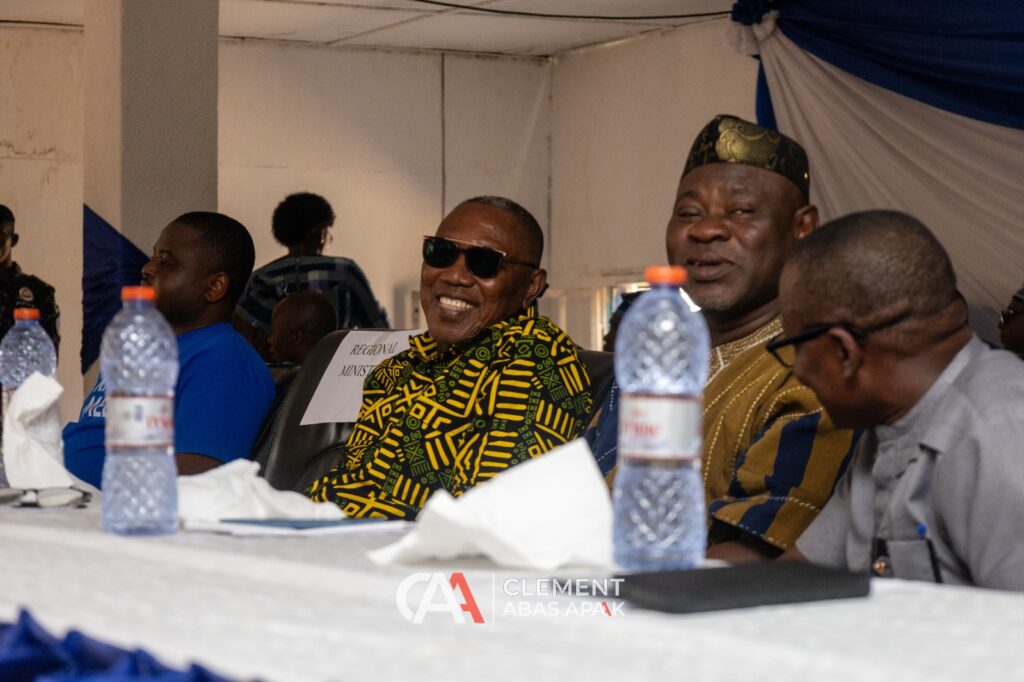
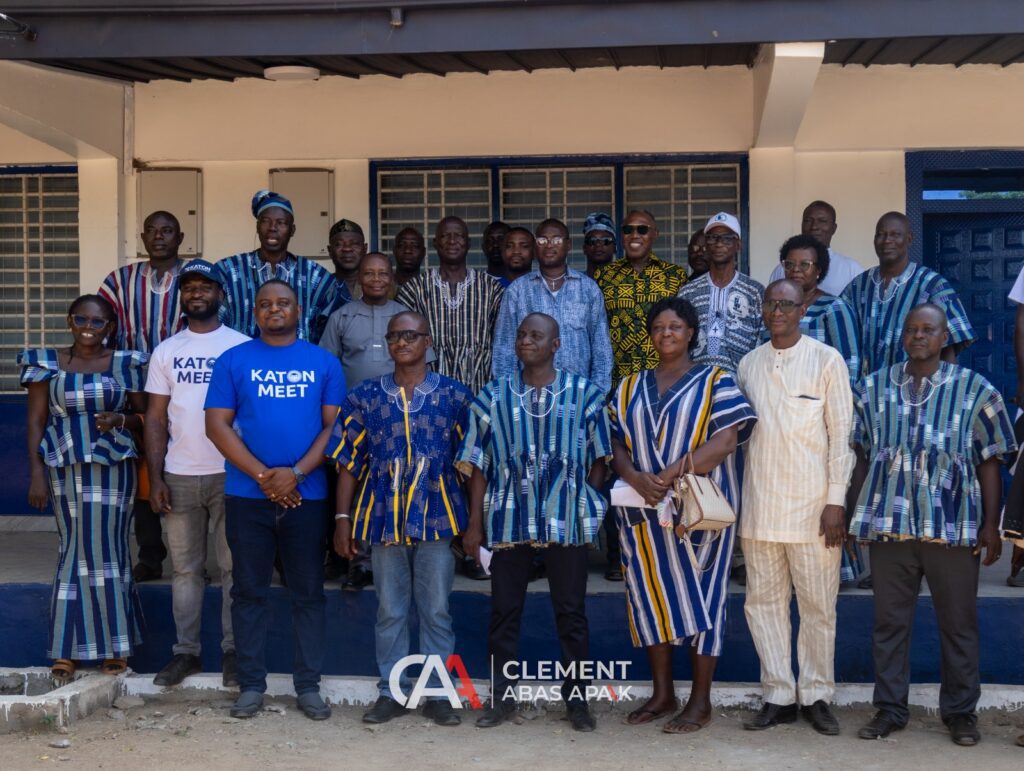
The Deputy Minister commended KATON for delivering the facility on schedule and strictly to specification. The ceremony was attended by the school’s Board Chairman, management, staff, students, representatives of the Parent-Teacher Association (PTA), the Upper East Conference of Heads of Assisted Secondary Schools (CHASS), and the Association of Principals of Technical Institutes.
By: Rainbowradioonline.com/Ghana