Ghana’s inland water safety project has received strong praise from Deputy Transport Minister Dorcas Affo-Toffey.
The Deputy Minister, who also serves as the Member of Parliament for the Jomoro Constituency in the Western Region, highlighted the project as a critical and well-timed measure designed to protect citizens, support local economies, and enhance tourism throughout the country’s riverfront neighborhoods.
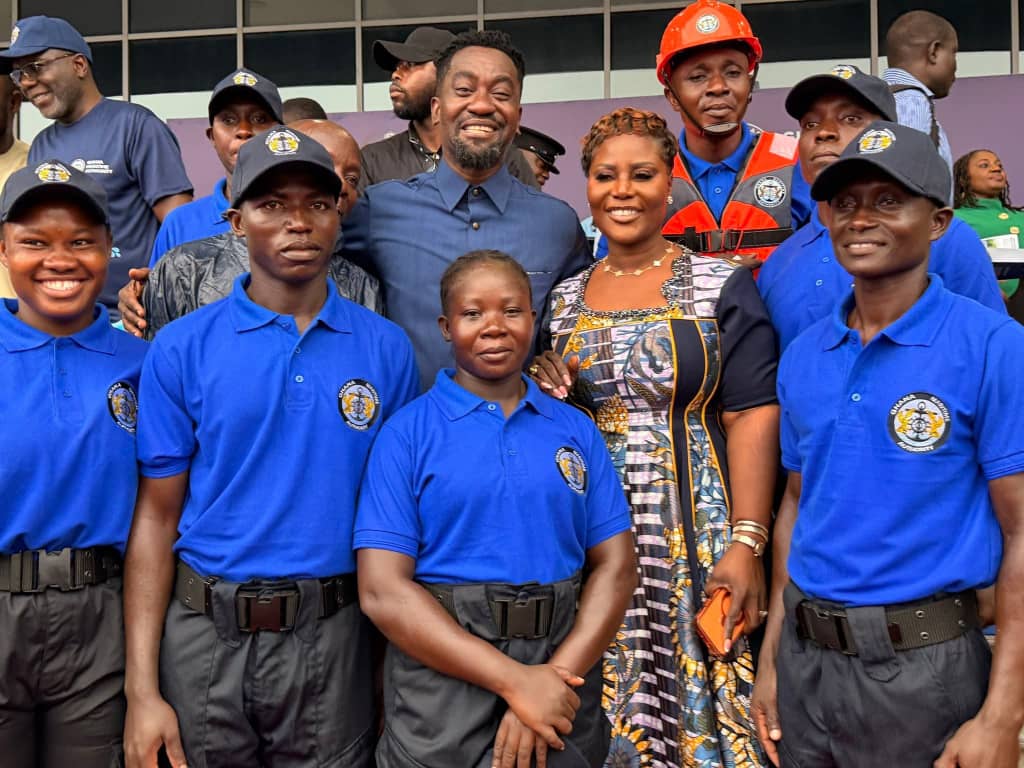
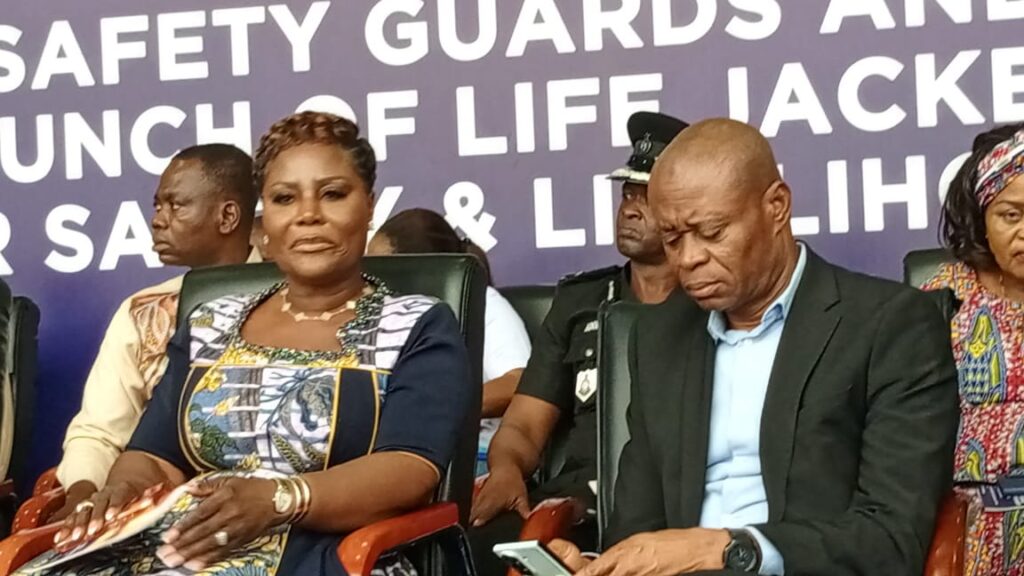
Madam Affo-Toffey shared these insights with Onua News during the official launch and passing-out ceremony of 200 Inland Water Safety and Regulatory Officers in Accra, an event that also featured the rollout of 20,000 life jackets.
The deployment of these 200 regulatory officers and the supply of 20,000 life jackets are central to the state’s overarching strategy to upgrade security protocols across Ghana’s river networks, with the ultimate goal of lowering the rising death toll from boat capsizes and transport mishaps.
The Deputy Minister credited President John Dramani Mahama for guiding this safety drive via the Ministry of Transport and the Ghana Maritime Authority (GMA).
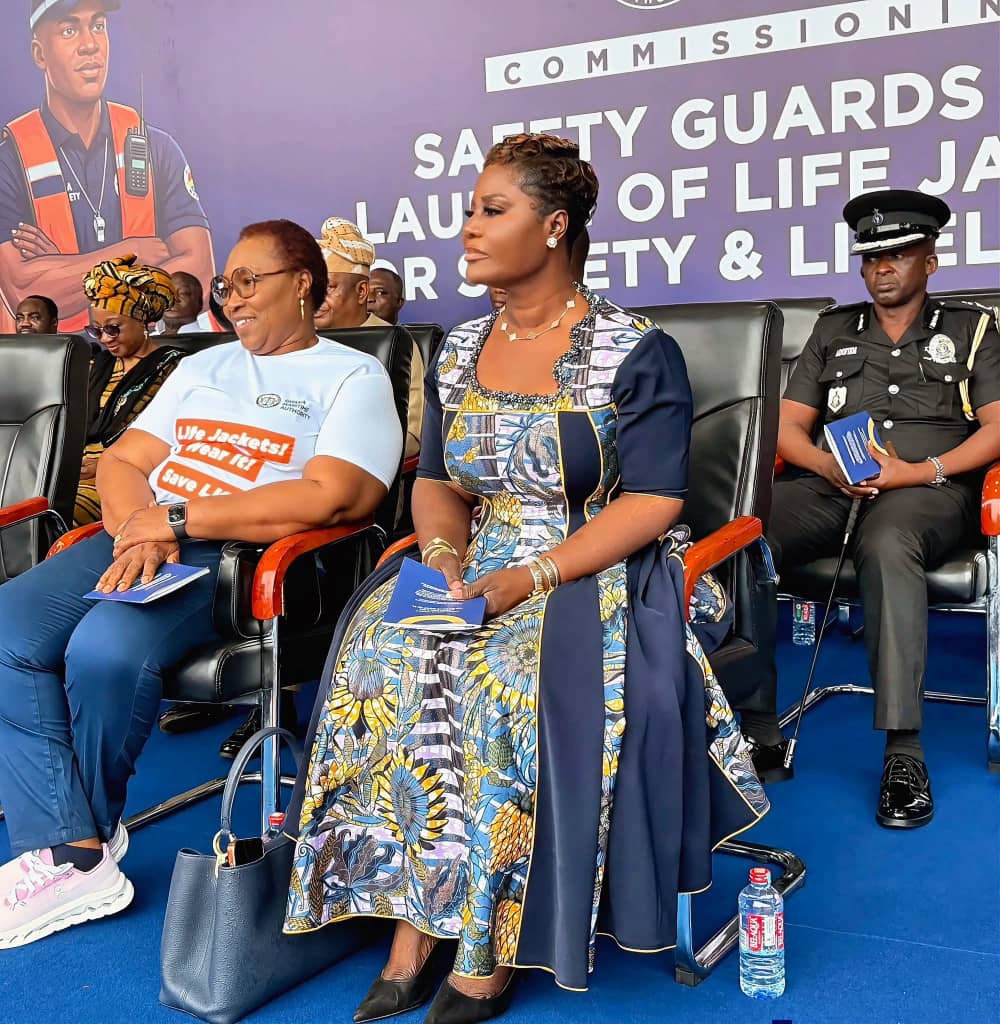
She noted that the rollout addresses a critical vulnerability, given that Ghana frequently witnesses preventable tragedies on its lakes and rivers due to a lack of protective gear and weak safety enforcement.
“I want to thank His Excellency the President of the Republic for this great initiative. I think it’s long overdue, especially when you consider the number of lives that have been lost on our rivers and inland water bodies over the years,” she stated.
Madam Affo-Toffey pointed out that the administration’s primary goal is to curb drowning incidents on rivers and lakes by tightening rules and rolling out robust public awareness drives.
She called on citizens, particularly those residing in riverine zones, to welcome the safety campaign and actively promote secure travel habits among their neighbors.
“We need everybody to buy into this initiative. We must all become campaigners and spread the message across the country. This is an important intervention rolled out by the President through the Ministry of Transport, and it deserves the support of every Ghanaian,” she said.
The Deputy Minister observed that numerous neighborhoods within her own district and across Ghana rely heavily on rivers for their day-to-day mobility, making this security layout highly impactful for those residents.
She specifically mentioned the positive impact this framework would have on locales like Nzulezu and Djoe Wofe, where community members depend on water channels for daily trade, schooling, medical visits, and regional tourism.
The Jomoro lawmaker added that secure water channels do more than just preserve lives; they stabilize local commercial activities and attract tourism investments.
“What this initiative will do is save lives and enhance the livelihoods of my people. The safety component is extremely important to me because it will improve transportation, boost tourism, impact lives positively, and contribute to the development of our communities,” she stated.
The Member of Parliament noted that reliable and secure transit options would boost the confidence of both everyday locals and vacationers, especially in areas where canoes and boats are the primary modes of travel.
A major pillar of the newly introduced safety blueprint is the strict enforcement of a “No Life Jacket, No Travel” rule for all river transit.
Madam Affo-Toffey committed to leading the enforcement of this rule within her constituency while backing broader national campaigns to ensure the laws are respected.
She urged travelers to work constructively with the newly deployed Inland Water Safety and Regulatory Officers, whose mandate is to oversee safety guidelines and educate commuters and vessel operators alike.
“As an MP, I am going to champion this cause. We will make sure the rules and regulations are followed. I appeal to everybody to respect the officers who have been commissioned and to listen to them because their work is aimed at protecting lives,” she said.
The Deputy Transport Minister admitted that introducing these rules might face initial friction, especially in remote areas where using safety gear has never been a traditional habit.
Even so, she expressed optimism that ongoing community engagement and education would shift public mindsets and foster compliance over time.
“People have operated for a long time without life jackets, so naturally there may be some challenges getting everyone on board. But through education and continuous engagement, people will come to appreciate the importance of these safety measures,” she noted.
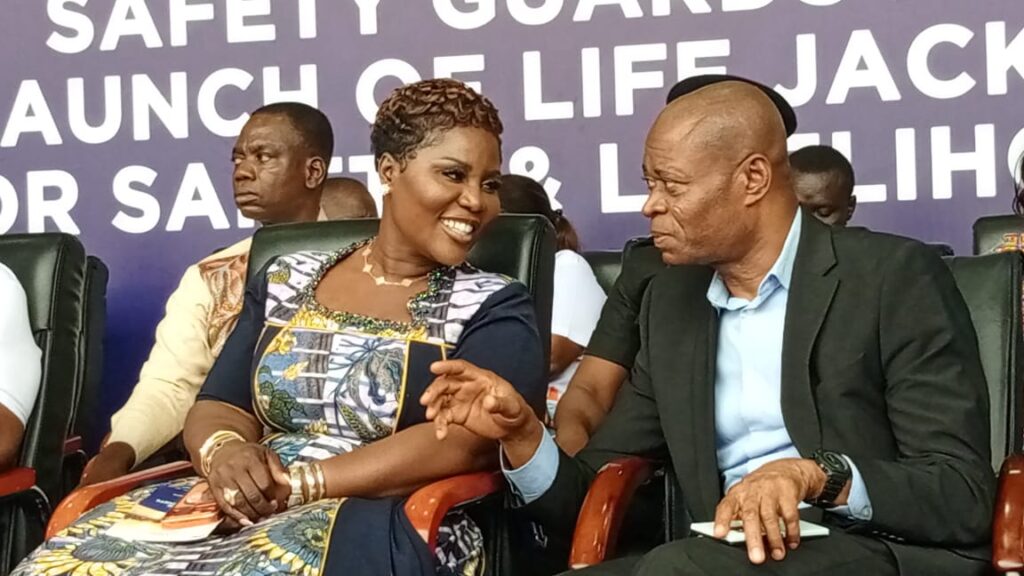
Madam Affo-Toffey reiterated that grassroots education is the linchpin of the project’s success, observing that a significant portion of Ghana’s water tragedies are entirely avoidable.
She pointed to the live demonstrations conducted at the launch, which visibly proved how flotation devices maximize survival rates during an emergency on the water.
“We saw practical demonstrations showing how life jackets save lives. It was very commendable and reinforced why this initiative is so important. Many of the deaths we record are needless and can be prevented if people take basic safety precautions,” she said.
In her concluding remarks, the Deputy Minister called upon everyone using inland waterways—including passengers, boat owners, ferry operators, and logistics providers—to treat life jackets as a mandatory requirement for every single trip.
She made it clear that safety rules apply universally to everyone on board, not just the paying passengers.
“It is important that everybody who travels on inland waters wears a life jacket. Not only passengers, but canoe owners and all operators as well. Life jackets save lives, and this initiative will help protect everyone who depends on water transport,” she stressed.
By: Rainbowradioonline.com/Ghana