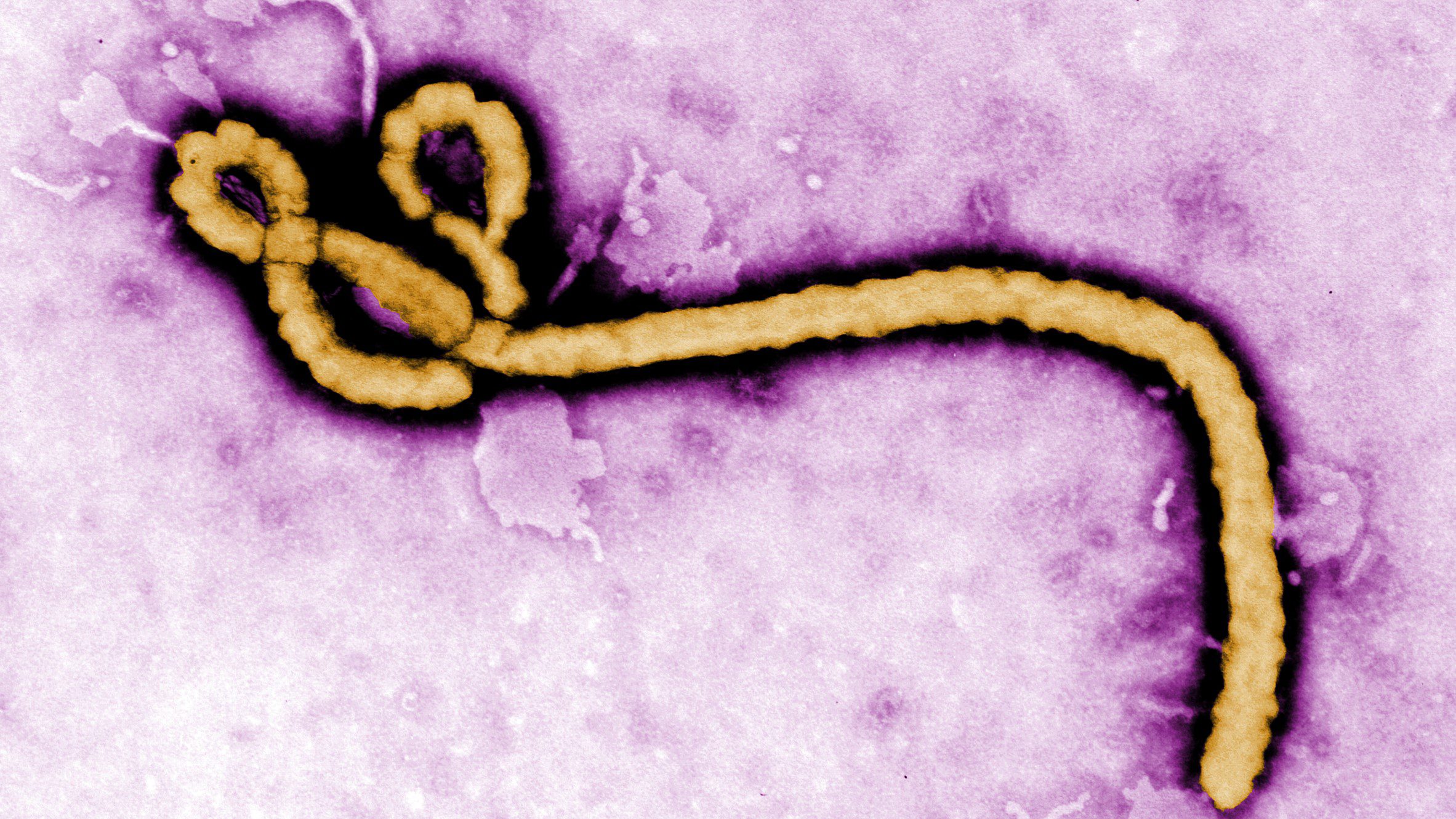
Kenya’s Ministry of Health has confirmed a third case of Ebola in the country following the diagnosis of a 65-year-old woman currently receiving treatment in Nairobi. The patient, a close relative and primary contact of the first two cases, tested positive for the Bundibugyo strain of the virus at both the National Virology Reference Laboratory and the KEMRI laboratory.
Health officials disclosed that the patient had been in quarantine since 6 October, allowing for prompt isolation once symptoms emerged. She has since been transferred to the Infectious Disease Unit where she is receiving supportive care from trained medical staff.
In a official press release signed by the Director General for Health, Dr Patrick Amoth, the ministry reassured the public that the overall threat of widespread transmission remains minimal.
“The Ministry wishes to reassure the general public that the risk remains low as there is no evidence of community transmission of the disease,” Dr Amoth stated. “Having been in quarantine, she was diagnosed early and is currently receiving supportive care, improving her chances of recovery while limiting risk of further spread of the disease”.
Contact tracing efforts have yielded significant progress, with 127 out of 130 identified contacts—representing 97.7 per cent—currently traced and placed in quarantine. Health authorities noted that this figure surpasses the global benchmark of 85 per cent required to break the chain of transmission, whilst active efforts continue to locate the three remaining contacts.
To contain further spread, personal protective equipment, infection prevention control commodities, and public health screening equipment have been dispatched to 28 high-risk counties and points of entry. Additionally, travellers arriving from ten designated high-risk nations must complete digital surveillance forms prior to departure, while all incoming aircraft undergo enhanced screening at international airports.
Despite the development, government officials confirmed that no travel, trade, or public gathering restrictions will be imposed, emphasising that the country remains fully open for business.
Members of the public have been urged to stay vigilant and immediately report symptoms such as fever, unusual fatigue, muscle pain, vomiting, or unexplained bleeding to the nearest health facility or via the ministry’s toll-free line.
By: Rainbowradioonline.com/Ghana