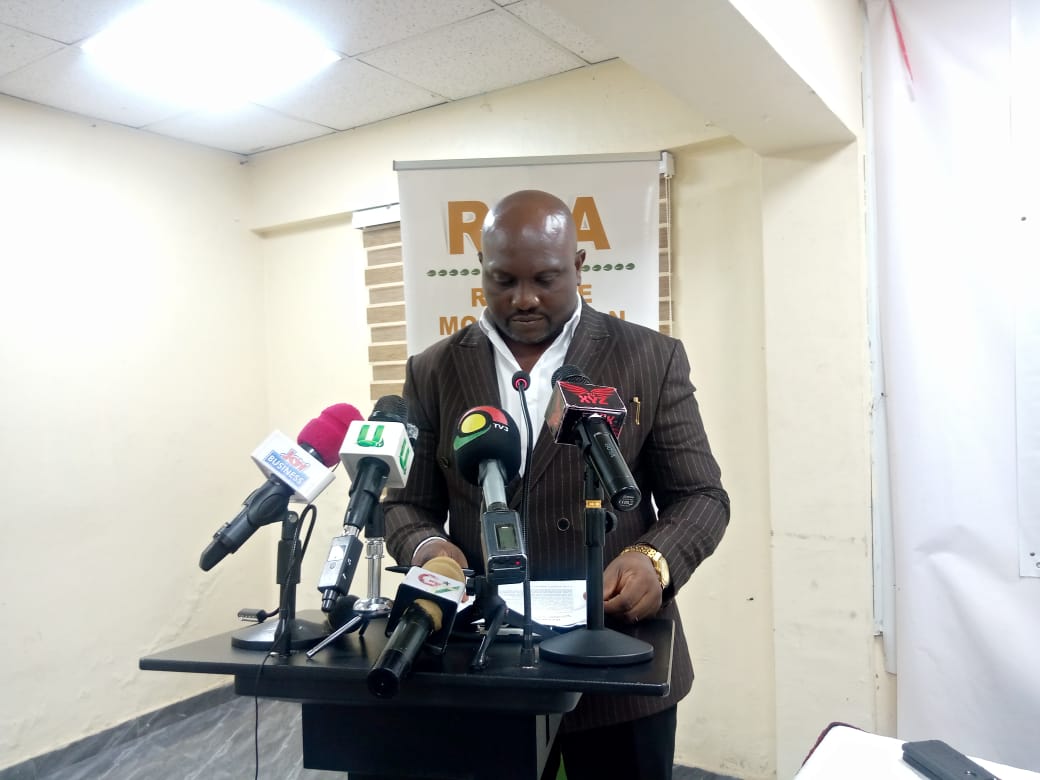
Revenue Mobilisation Africa (RMA) and partner organisations have welcomed the Attorney General’s efforts to prosecute former government officials on the collapse of Unibank and recover public funds lost through banking sector failures.
According to Mr. Geoffrey Kabutey Ocansey, Executive Director of RMA, the ongoing restitution arrangement, which has already transferred over GHC 824 million in property and is expected to yield an additional GHC 1.2 billion, is a positive step towards accountability.
However, Ocansey raised concerns about the long-term implications of the banking sector cleanup, citing revenue losses and public debt exposure.
The cleanup exercise, which cost the state over GHC 25 billion, has significantly increased the national debt burden. Ocansey emphasised the need for transparency and accountability in the recovery of funds injected into collapsed financial institutions.
The CSOs are calling on the Ministry of Finance and the Bank of Ghana to publish the full details of all agreements and the status of recovery efforts.
Ocansey highlighted that before the revocation of Unibank’s license, the government held approximately GHC 2.9 billion in bonds, treasury bills, and other financial instruments.
The press conference focused on the “60-40” state resources recovery formula and its implications for the energy sector but also shed light on the banking sector cleanup and the need for transparency and accountability in the management of public resources.
According to Mr. Geoffrey Kabutey Ocansey, Executive Director of Revenue Mobilisation Africa, an independent commission of inquiry should be established to investigate the role of the Bank of Ghana and the previous Attorney General in the revocation of Unibank’s license.
Key issues include Shifting figures of validated liabilities (GHC 5.7 billion to GHC 2 billion), Failure to acknowledge the GHC 2.9 billion owed to Unibank and Legal and criminal accountability for public officials
The groups are calling for legal proceedings against officials who misrepresented financial facts, reversal of questionable asset transfers, a forensic audit of the receiver’s work, and legislative reforms to ensure checks and balances on the Bank of Ghana’s powers.
A call to action was issued to key stakeholders, including the private sector, to demand reforms that protect investments and businesses from arbitrary state actions.
The groups emphasised the need for a secure and predictable financial system.
By: Rainbowradioonline.com/Ghana