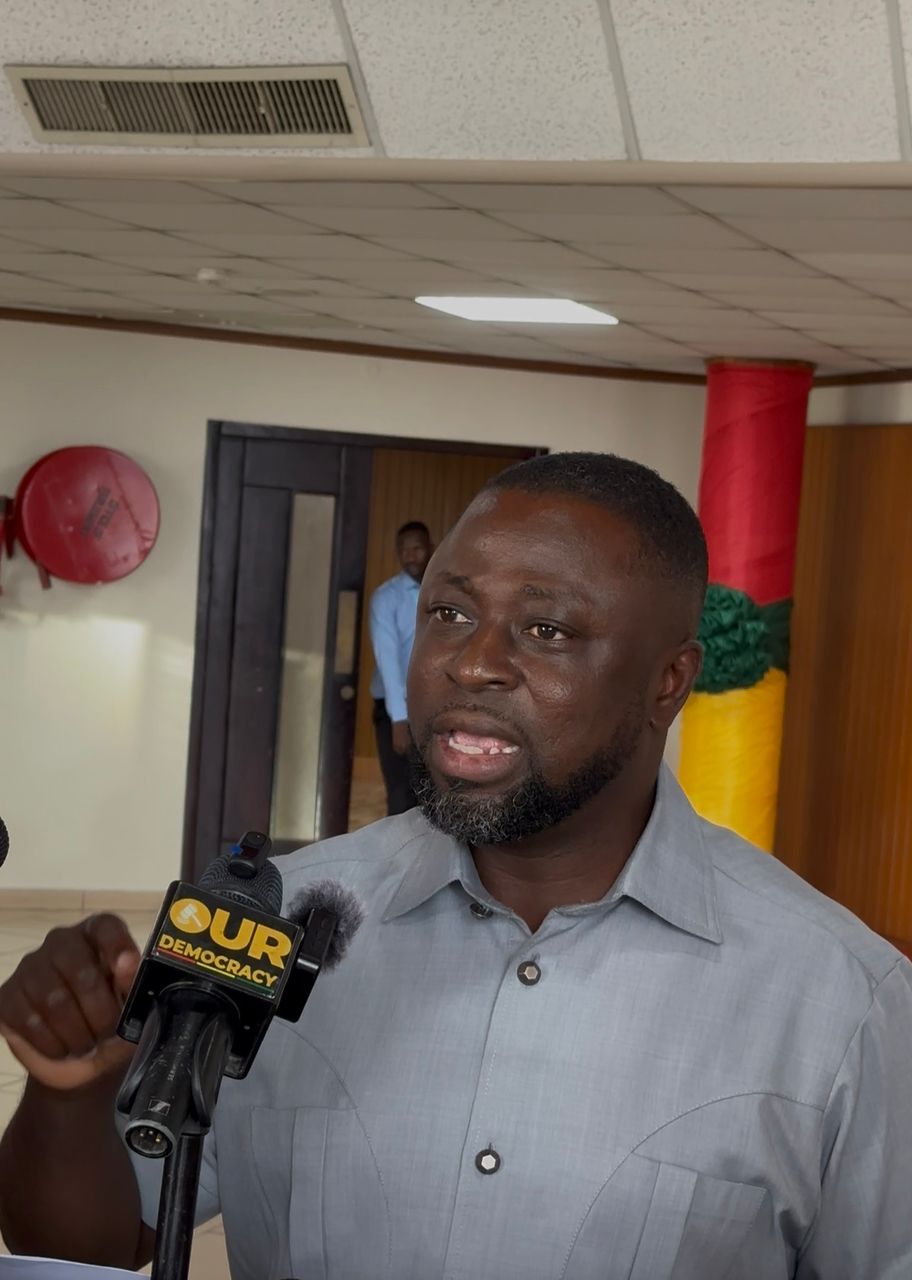
The Member of Parliament for Offinso North, Dr Fred Kyei Asamoah, has made a compelling case for the empowerment of the Akomadan Irrigation Scheme to support all-year-round tomato production in Ghana. Speaking in Parliament, Dr Asamoah emphasised the strategic importance of irrigation schemes on agricultural productivity and farming, considering the historical tomato demand gap in Ghana.
Ghana’s tomato production currently stands at 468,000 metric tonnes against a demand of 1,265,000 metric tonnes, resulting in a staggering 60% gap. Dr Asamoah attributed this gap to structural inefficiencies, notably post-harvest losses and seasonal production restrictions, which have plagued the sector for years.
The MP’s statement comes on the heels of Ghana’s increasing reliance on imported tomatoes, a situation that poses significant economic and food security risks.
The Akomadan Irrigation Scheme, which has undergone rehabilitation and expansion over the years, is poised to play a critical role in addressing these challenges. With the introduction of modern irrigation methods like drip irrigation, the scheme can significantly increase yields and reduce water waste. Dr Asamoah emphasised the need for the government to accelerate the scheme’s expansion, scale up modern technologies, and invest in rehabilitation and integration with storage and processing facilities.
The benefits of empowering the Akomadan Irrigation Scheme are multifaceted. It would not only help meet Ghana’s tomato demand year-round but also eliminate the need for cross-border sourcing, stabilise prices, and create employment opportunities across the agricultural value chain. The people of Offinso North, Dr Asamoah assured, are ready to support the initiative, recognising its potential to transform the region’s economy and contribute to national food security.
Dr Asamoah highlighted the successes of the scheme, noting that the irrigation dam infrastructure covering 65 hectares in Akomadan was established under government and World Bank support from 1974 to 1976. It was rehabilitated in 2006 under former President Kuffour and further expanded between 2012 and 2013. There’s been a transition toward more efficient irrigation methods, particularly drip irrigation systems, covering approximately 46 hectares from 2017 to 2018.
Currently, an area of approximately 624 hectares has been surveyed for irrigation potential, out of which 171 hectares have been developed. However, only about 60 hectares out of the developed 171 hectares have been decommissioned. In 2023, interventions focused on rehabilitating the Akomadan Irrigation Scheme and system improvements, aiming for self-sufficiency of about 1,966,000 metric tonnes by 2028.
The MP’s call has sparked a renewed debate on the importance of investing in agricultural infrastructure to boost productivity and reduce Ghana’s reliance on imports.
As the government considers Dr Asamoah’s proposal, stakeholders are watching closely, hopeful that this initiative will mark a significant step towards achieving sustainable agricultural growth and food security in Ghana.
The people of Offinso North are eager to seize the opportunity to increase tomato production and improve their livelihoods. With the right support, they can contribute significantly to Ghana’s agricultural sector and help the country achieve its goal of self-sufficiency in tomato production. The ball is now in the government’s court to take decisive action and empower the Akomadan Irrigation Scheme to reach its full potential.
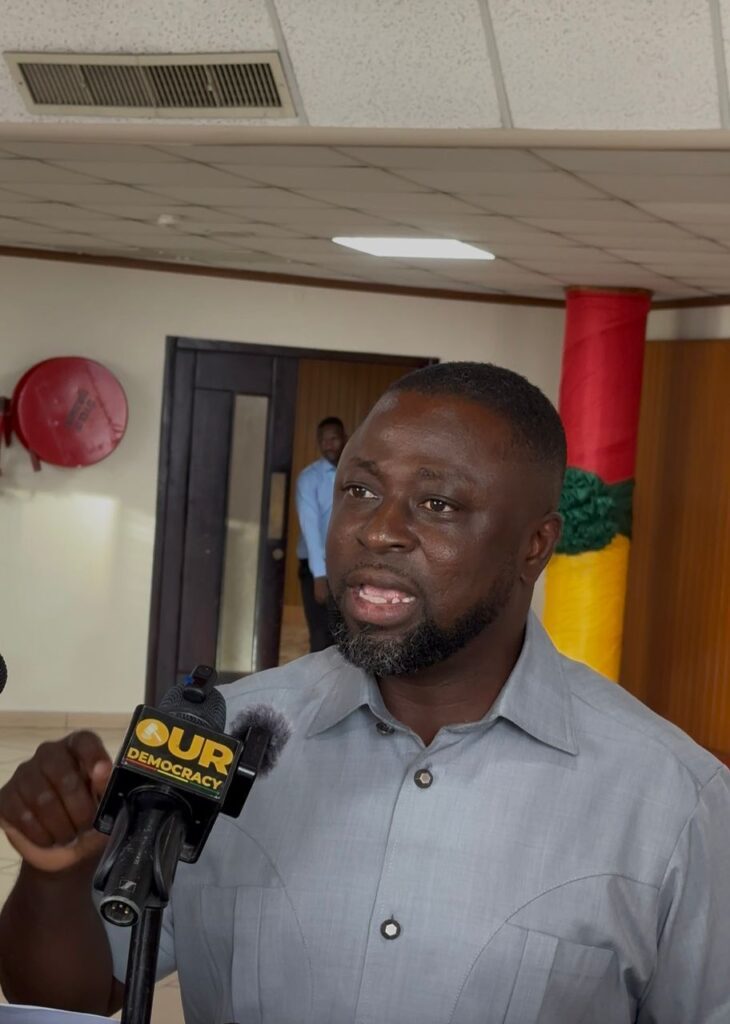
By: Boshyeba Afriyie/Rainbowradioonline.com/Ghana