Deputy Health Minister Dr Grace Ayensu-Danquah has detailed the transformative potential of the Free Primary Health Care Programme launched by President John Dramani Mahama.
She described the initiative as a foundational, community-level approach to medicine that establishes a vital first point of contact for comprehensive care. By prioritising prevention, treatment, rehabilitation, and palliative care, the programme seeks to shift the medical focus from merely treating specific diseases to fostering overall wellbeing throughout a person’s life, underpinned by the principles of universal access, equity, and affordability.
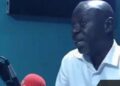
During an interview on Frontline on Rainbow Radio 87.5FM, Dr Ayensu-Danquah emphasised that the policy encompasses physical, mental, and social health needs.
She explained that health centres, polyclinics, and CHPS compounds will serve as the initial, accessible entry points into the healthcare system, effectively dismantling existing barriers to entry.
This structured approach is designed to eliminate the financial burdens that frequently deter individuals from seeking early medical attention—a delay that often results in preventable complications.
The Deputy Minister informed host Kwabena Agyapong that the programme is rooted in community empowerment. A key component of this strategy involves the strategic deployment of community health nurses, who will travel from house to house to provide essential services such as education and screenings, particularly in deprived areas.
Furthermore, the programme is designed to integrate seamlessly with secondary and tertiary sectors, ensuring efficient referrals whenever specialised intervention is required.
Dr Ayensu-Danquah highlighted that the cornerstone of the initiative is its ability to provide coordinated care and first-contact access without the obstacle of cost, regardless of whether a patient holds national insurance. She stated:
“Through this initiative, we will prevent the late presentation of illnesses, conduct screenings to identify cases early, and refer patients to the appropriate facilities for treatment. We will expand the programme to make healthcare more accessible, affordable, and reliable. This is an integrated service with the aim of meeting people’s health needs within their own communities. Through the programme, we will be addressing the broader determinants of health through multisectoral policy and action, empowering individuals, families, and communities to take charge of their own health.”
She noted that the Free Primary Health Care Programme represents a holistic commitment to a person’s health journey—from promotion and prevention to rehabilitation and palliative care.
She described the initiative as an inclusive, equitable, and cost-effective pathway toward achieving genuine universal health coverage.
By: Rainbowradioonline.com/Ghana