
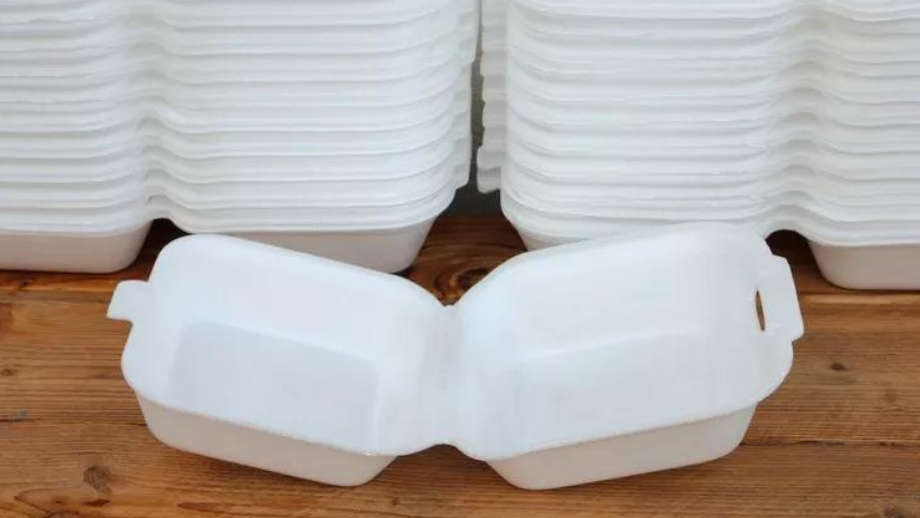
Ghana is taking a decisive step toward environmental sustainability with a total ban on the production, importation, distribution, and use of polystyrene foam products, commonly known as Styrofoam, effective January 1, 2027.
The Environmental Protection Authority (EPA) directive aims to curb the severe, long-lasting damage caused by these non-biodegradable, petroleum-based materials.
The policy shift has garnered strong backing from civil society groups, including the SMART Generation Governance Hub.
The governance think tank acknowledged that while the polystyrene industry provides income-generating opportunities for some local businesses, the widespread environmental, health, and economic costs of the material are too high to ignore.
“Polystyrene foam products cause severe and long-lasting environmental damage across the globe,” said Rev. D.K. Odei-Appiah, Executive Director of the SMART Generation Governance Hub.
“Due to their chemical composition, they are non-biodegradable and persist in the environment for hundreds of years. Their widespread use contributes significantly to environmental pollution, climate change, and the degradation of the blue economy.”
He pointed out that Styrofoam is lightweight, buoyant, and structurally weak, causing it to easily break down into microplastics rather than decompose naturally.
According to him, these fragments frequently find their way into marine and terrestrial ecosystems, where wildlife often mistakes them for food.
Ingestion leads to internal blockages, starvation, and death.
Furthermore, as the material degrades under sunlight, it leaches toxic chemicals like styrene into the soil and water tables, while simultaneously releasing potent greenhouse gases such as methane and ethylene.
Currently, polystyrene waste chokes coastal areas, accumulates on beaches, and contaminates the aquatic food chain, which directly threatens food security and the livelihoods of fishing communities. Local authorities also face escalating operational costs to clear marine debris that damages fishing gear and clogs water intake systems.
Because Styrofoam is bulky and frequently contaminated with food residue, it is rarely recycled.
Incinerating the waste releases toxic fumes into the atmosphere, while landfilling simply locks the material in place for centuries.
With the 2027 deadline approaching, attention is turning toward preparing local industries and consumers for the transition to eco-friendly packaging alternatives.
“The EPA’s decision to ban polystyrene foam products is a bold and commendable step toward protecting Ghana’s environment, safeguarding public health, combating climate change, and preserving the sustainability of the blue economy,” Odei-Appiah said.
“We call on manufacturers, importers, businesses, consumers, and all stakeholders to support the transition towards environmentally friendly and sustainable alternatives. Collective action today will ensure a cleaner, healthier, and more prosperous Ghana for future generations.”
Below is the full statement
30/05/2026
PRESS RELEASE
RE: EPA’S BAN ON POLYSTYRENE FOAM PRODUCTS
GOOD MOVE – ENVIRONMENTAL PROTECTION AUTHORITY
SMART Generation Governance Hub supports the decision of the Environmental Protection Authority (EPA) to ban the production, importation, distribution, and use of polystyrene foam products in Ghana, effective 1st January 2027.
Our support for this policy stems from the fact that although polystyrene foam products provide income-generating opportunities for some businesses and individuals, their adverse environmental, health, and economic effects are far-reaching. Consequently, the decision to phase out and eventually ban these products is both timely and necessary.
Polystyrene foam products, commonly referred to as Styrofoam, are petroleum-based materials that cause severe and long-lasting environmental damage across the globe. Due to their chemical composition, they are non-biodegradable and persist in the environment for hundreds of years. Their widespread use contributes significantly to environmental pollution, climate change, and the degradation of the blue economy.
As these products break down, they fragment into microplastics that contaminate marine ecosystems, release harmful greenhouse gases when exposed to sunlight, and negatively affect key sectors such as fisheries, tourism, and coastal livelihoods. The harmful effects of polystyrene foam can be categorized as follows:
- Impact on the Environment
Polystyrene foam is lightweight, buoyant, and structurally weak, making it highly susceptible to fragmentation rather than natural decomposition.
Wildlife Ingestion
Many animals mistake foam particles for food. When ingested, these materials accumulate in their digestive systems, leading to starvation, malnutrition, and, in many cases, death due to a false sense of fullness.
Habitat Destruction
Foam waste is easily transported by wind and water into terrestrial and aquatic ecosystems, where it smothers vegetation, obstructs soil aeration, and disrupts natural habitats.
Chemical Leaching
As polystyrene degrades, it releases harmful chemicals such as styrene and certain flame retardants into soil and water bodies. These substances pose significant health risks to wildlife and may contaminate food chains. - Impact on Climate Change
The climate-related effects of polystyrene occur throughout its lifecycle—from production and consumption to disposal.
Dependence on Fossil Fuels
Polystyrene is derived from petroleum, making its production heavily dependent on fossil fuel extraction and processing, both of which contribute substantially to greenhouse gas emissions.
Greenhouse Gas Emissions During Degradation
Recent studies indicate that when exposed to sunlight, polystyrene continuously releases methane and ethylene—two potent greenhouse gases that contribute to global warming and climate change.
Waste Management Challenges
Due to its bulky nature and frequent contamination with food residues, polystyrene is rarely recycled. Incineration releases toxic fumes and carbon dioxide, while landfilling allows the material to persist for centuries, continuing to emit trace gases into the atmosphere. - Impact on the Blue Economy
The blue economy depends on the sustainable use of marine and coastal resources for economic growth, employment, and environmental sustainability. Polystyrene pollution poses a serious threat to this objective.
Effects on Fisheries and Aquaculture
Microplastics generated from degraded polystyrene enter aquatic food chains and contaminate fish and shellfish. This threatens food security, public health, and the livelihoods of fishing communities.
Damage to Tourism
Polystyrene waste frequently accumulates on beaches and coastal waters, creating unsightly pollution. This diminishes the attractiveness of tourist destinations and adversely affects local economies that depend on tourism.
Increased Cleanup and Operational Costs
Marine debris damages fishing equipment, clogs water intake systems, affects vessel operations, and imposes significant cleanup costs on local authorities and coastal communities.
Conclusion
The EPA’s decision to ban polystyrene foam products is a bold and commendable step toward protecting Ghana’s environment, safeguarding public health, combating climate change, and preserving the sustainability of the blue economy.
SMART Generation Governance Hub therefore calls on manufacturers, importers, businesses, consumers, and all stakeholders to support the transition towards environmentally friendly and sustainable alternatives. Collective action today will ensure a cleaner, healthier, and more prosperous Ghana for future generations.
Signed
Rev DK Odei-appiah
Executive Director
SMART Generation Governance Hub
0243265000
By: Rainbowradioonline.com/Ghana