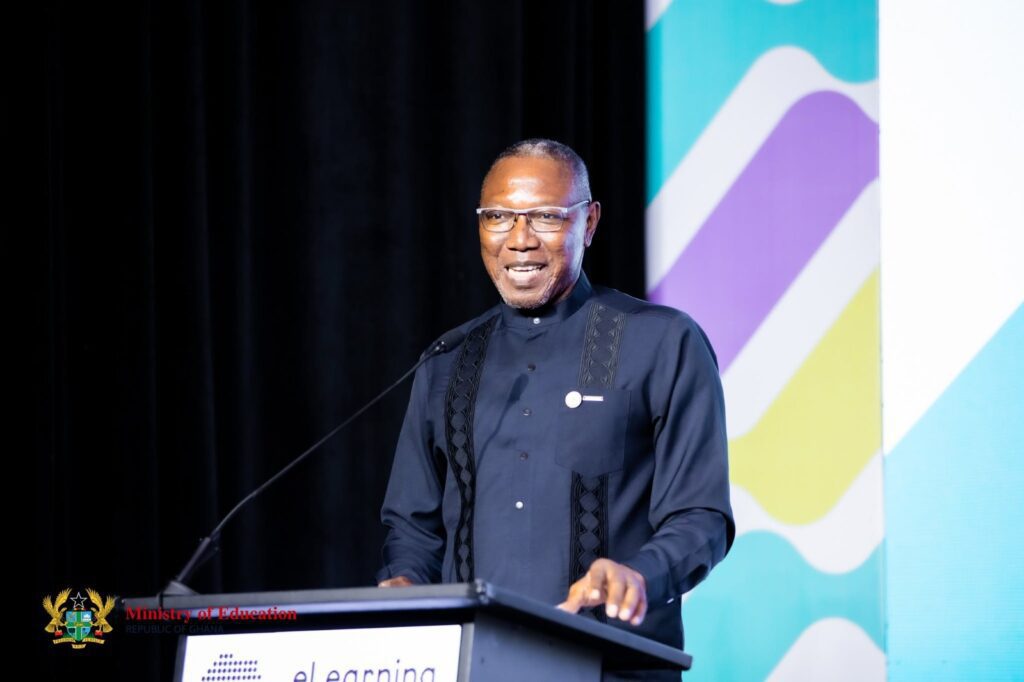
Deputy Minister for Education, Dr. Clement Abas Apaak, has called on African countries to take ownership of the continent’s educational future through digital innovation and policy reforms.
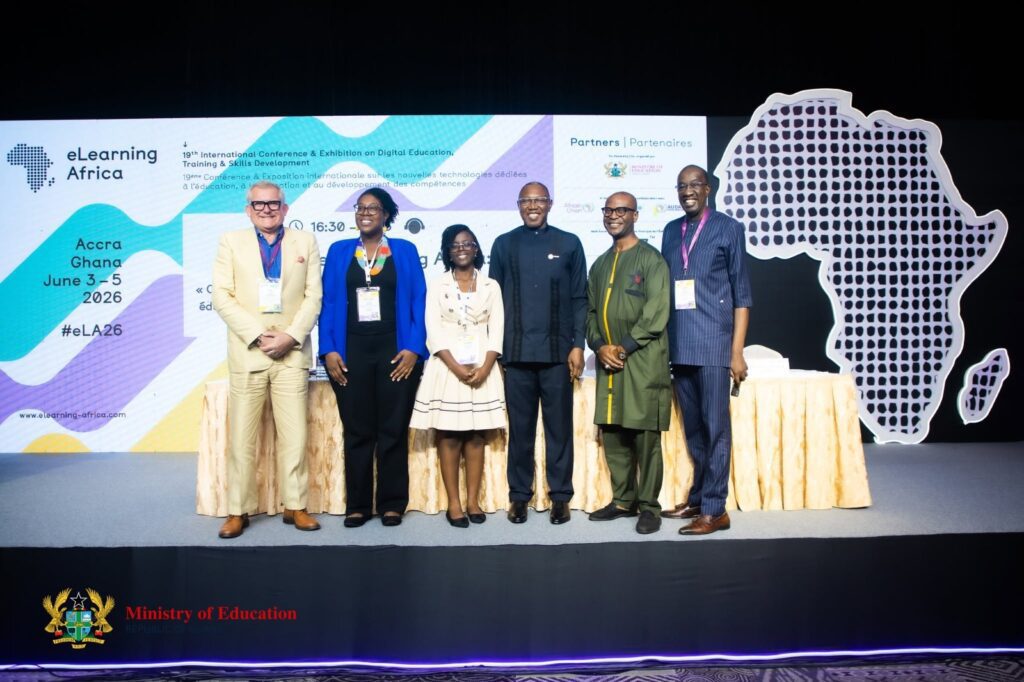
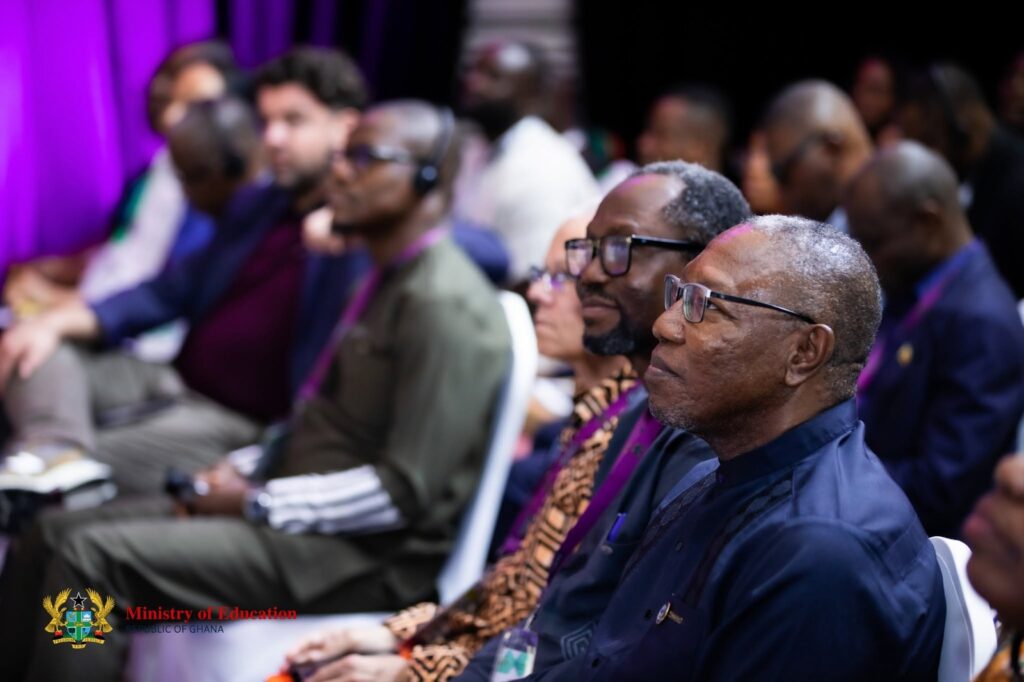
Speaking at the closing ceremony of the 19th edition of eLearning Africa 2026 in Accra, Dr. Apaak said discussions held during the three-day conference underscored the need for Africa to shape its education agenda according to its own priorities and aspirations.

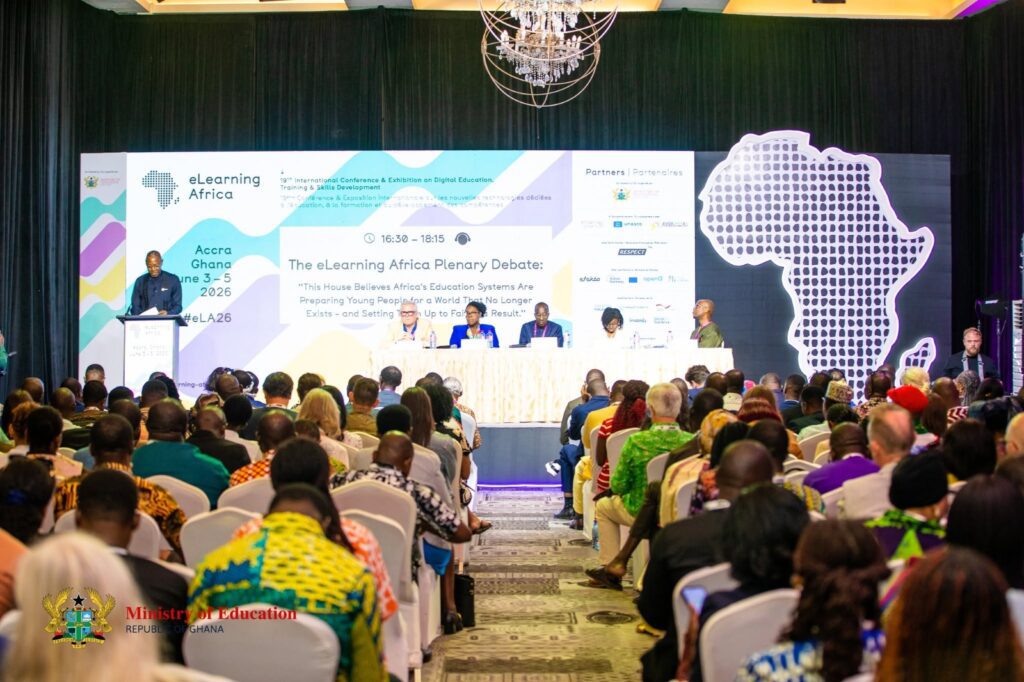
He noted that the conference theme, “Africa’s Time, Africa’s Terms: Learning for Sovereignty, Strength and Solidarity,” reflected a vision that goes beyond rhetoric and demands practical action from governments, educators, and development partners.
“Throughout this conference, one message emerged consistently: Africa must become the architect of its own digital education future,” Dr. Apaak said.
According to him, achieving that goal requires promoting artificial intelligence literacy across education systems, developing ethical frameworks rooted in African realities, and ensuring African languages are integrated into the continent’s digital ecosystem.
He stressed that Africa must move with urgency to implement the ideas discussed during the conference.
“The time to act is now,” he stated.
Dr. Apaak also highlighted concerns about the control of Africa’s data infrastructure, arguing that knowledge sovereignty and data governance must become central priorities for the continent’s development agenda.
“Every day, Africa generates enormous amounts of data. Yet much of the infrastructure used to collect, analyse, and monetise that data is controlled beyond our borders. This reality makes knowledge sovereignty and data governance critical priorities for our development agenda,” he said.
The Deputy Minister further observed that educational systems must adapt to changing labour market demands driven by technological advancements, particularly artificial intelligence.
“Labour markets are changing rapidly. Technology, particularly artificial intelligence, is transforming the nature of work. Yet many education systems continue to prepare learners for employment pathways that are becoming increasingly uncertain,” he said.

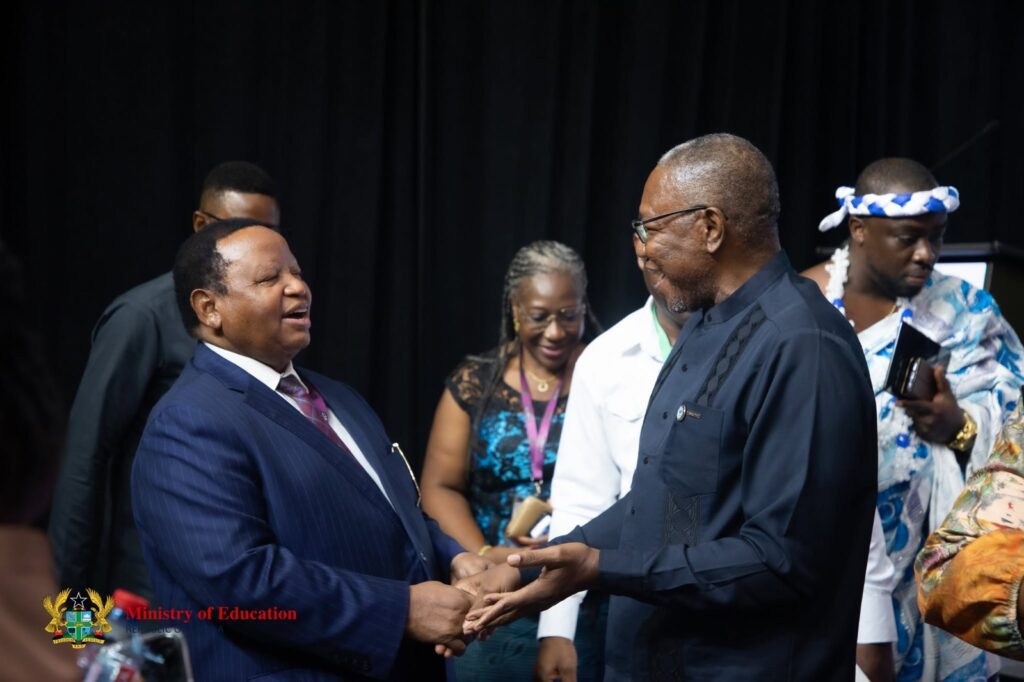
Dr. Apaak assured participants that Ghana remains committed to translating discussions into practical outcomes through the implementation of its National AI in Education Policy, expanded digital learning opportunities, and stronger partnerships across the continent.
“Africa’s future will not be imported. It will be imagined, designed, taught, and built by Africans,” he added.
By: Rainbowradioonline.com/Ghana