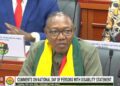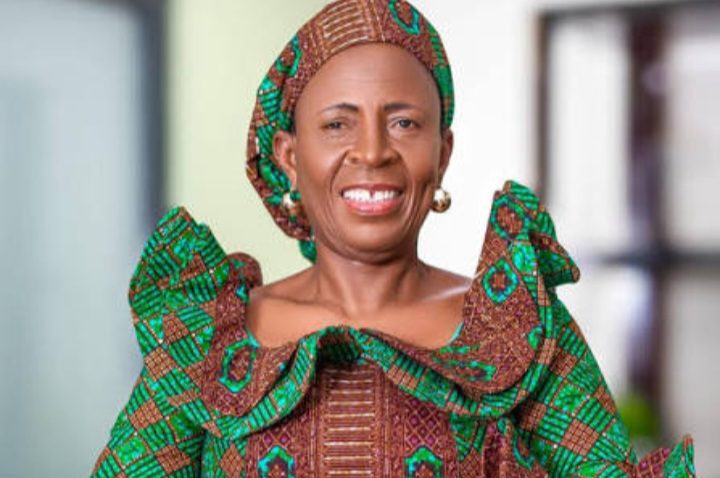
The loss of a husband can leave women completely disoriented, exposed, and forced to survive in brutal conditions, according to the Second Deputy Majority Whip and Ada MP, Hon. Comfort Doyoe Cudjoe.
Delivering a parliamentary address to commemorate International Widows Day, she highlighted that the consequences for a grieving wife “could be dire,” particularly for individuals who relied solely on their husbands for financial stability.
“One could become disoriented, not knowing what to do, while others are left to fend for themselves in a world that is often harsh and unaccommodating,” Hon. Cudjoe stated.
She explained that widows frequently navigate the profound trauma of bereavement while simultaneously wrestling with financial destitution, disinheritance, and marginalisation by society.
“The death of a husband should not become a double punishment for women. We must ensure they do not suffer twice – first from grief, then from poverty and abuse,” she informed the Chamber.
Hon. Cudjoe pressed the government and wider society to implement concrete assistance, ranging from legal aid and the safeguarding of inheritance rights to vocational training and state welfare initiatives.
She maintained that widows and their children require unhindered access to schooling, medical care, and financial avenues to successfully piece their lives back together.
Furthermore, she implored families to honour the legal rights of widows as outlined in the Intestate Succession Law, demanding an end to the practice of throwing grieving women out of their marital homes.
International Widows Day is marked across the globe on June 23 to cast a spotlight on the challenges confronting widows.
The Minority Leader and Efutu MP, Hon. Alexander Afenyo-Markin, echoed these sentiments by demanding a targeted social welfare initiative designed to assist widows, with a particular focus on those living in isolated rural communities and younger mothers left to raise families single-handedly.
Reflecting on the speech made by Hon. Comfort Doyoe Cudjoe, Afenyo-Markin characterised the plight of widows as deeply worrying and insisted that state intervention is urgently required.
“The case of our mothers is dire. The worst part is when their husbands leave them and they become widowed. They suffer a lot,” he remarked to the Chamber.
The Minority Leader argued that younger widows in their thirties and early forties frequently experience the most severe impacts, as they are often left with little prospect of remarriage while shouldering the entire responsibility of childcare.
“Sometimes opportunity to remarry is not there. And you live your whole life with kids and you have to find a way of making them survive. It doesn’t come easy,” he observed.
Afenyo-Markin emphasised that any newly introduced assistance schemes must successfully reach women in isolated areas who currently possess no support network whatsoever.
“I will support a call by this House to recommend a social intervention program to be introduced and implemented by government to support widows in Ghana,” he concluded.
By: Rainbowradioonline.com/Ghana