Ghana recorded 13,951 new HIV infections in 2025, according to the latest National HIV Estimates and Projections report released by the Ghana AIDS Commission (GAC).
Data from the report places the Greater Accra Region with the highest number of new cases, while the North East Region recorded the lowest figure across the country.
Of the total new infections, 12,724 were adults aged 15 and above, while children between 0 and 14 years accounted for 1,227 cases.
AIDS-related deaths stood at 12,051 for the year, comprising 10,533 adults and 1,518 children.
The total population living with HIV in Ghana reached 337,435 in 2025. Females continue to bear the disproportionate burden of the virus, accounting for 221,707 cases (65.7 per cent), compared to 115,728 males (34.3 per cent).
Demographically, the overall population includes 315,513 adults and 21,922 children.
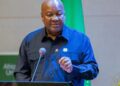
Isaiah Doe Kwao, Director of Research, Monitoring, and Evaluation at the GAC, presented the findings on Monday, July 20, 2026, during a stakeholder dissemination meeting.
Addressing the audience, Mr Kwao emphasised the role of data in shaping the national health response, stating:
“HIV estimates provide the scientific evidence and strategic direction needed to guide HIV prevention, treatment, care, and support programmes in the country.”
“These estimates deepen understanding of the epidemic, highlight emerging trends and existing gaps, and enable evidence-based decision-making at both the national and subnational levels.”
Progress Toward 95-95-95 Targets
Outlining the treatment cascade, Mr Kwao revealed that 236,143 individuals currently know their HIV status. Of these, 190,413 are receiving Antiretroviral Therapy (ART), and 174,692 have achieved viral suppression.
When measured against the global 95-95-95 targets, Ghana’s current progress stands at 70–81–92.
Despite the overall burden, the report highlights a downward trend in national prevalence, new transmissions, and AIDS-related fatalities—a shift officials credit to increased ART coverage.
Urging sustained national momentum, Mr Kwao added:“There is the need to sustain efforts at eliminating HIV and AIDS, which include increased awareness, testing and access to treatment to ensure the country achieves epidemic control.”
By: Rainbowradioonline.com/Ghana