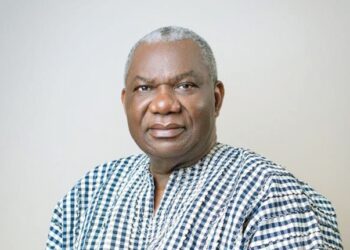
The Minister for Finance, Dr Cassiel Ato Forson, has asserted that the severe economic challenges Ghana faced in 2022 were the direct consequence of misguided policy decisions taken by the previous administration rather than an unforeseen mishap.
Delivering the Mid-Year Fiscal Policy Review of the 2026 Budget to Parliament on Thursday, 23 July 2026, the Minister attributed the economic downturn to a combination of irresponsible expenditure, excessive borrowing, a lack of transparency, and a failure to provide the citizenry with an accurate picture of the country’s financial health.
“Mr Speaker, the economic crisis of twenty twenty-two was not merely an accident. It was the consequences of a series of wrong policy choices,” he stressed.
Detailing the widespread repercussions of these policies, Dr Forson explained that the cedi experienced unprecedented depreciation, which severely diminished citizens’ savings, eroded business capital, and drastically reduced purchasing power.
Furthermore, inflation surged past the 50 per cent mark, driving up the cost of living significantly and making essential goods unaffordable for a large section of the populace.
The Minister added that disposable incomes saw a sharp decline, coupled with a dramatic rise in interest rates that made it increasingly costly for the private sector to secure credit.
This hostile economic environment led to a collapse in investor confidence and depleted international reserves to critically low levels.
Consequently, Dr Forson noted, international credit rating agencies downgraded Ghana’s sovereign debt to historic lows, effectively shutting the country out of the international capital market.
This dire situation, he indicated, forced the previous government to undertake an unprecedented and severe debt restructuring programme, which ultimately inflicted “crude and painful haircuts on domestic and external bond holders.”
By: Rainbowradioonline.com/Ghana