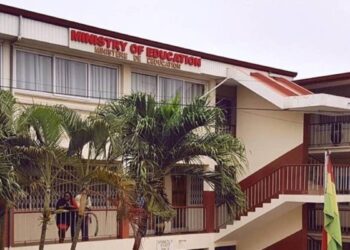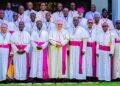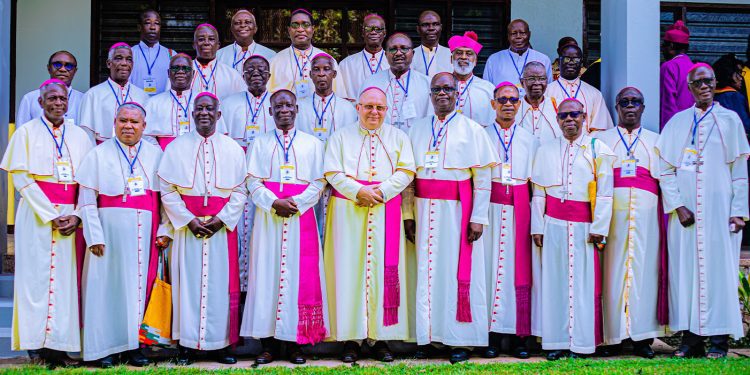
Corruption allegations surrounding Ghana’s Computerised School Selection and Placement System (CSSPS) have triggered fierce pushback from the Ghana Catholic Bishops’ Conference, which is demanding a sweeping overhaul of senior high school admissions.
Church leaders are pressing the government for full disclosure on opaque “protocol” allocations, calling for immediate investigations into claims that corrupt intermediaries are extorting money from desperate parents seeking spots at elite institutions.
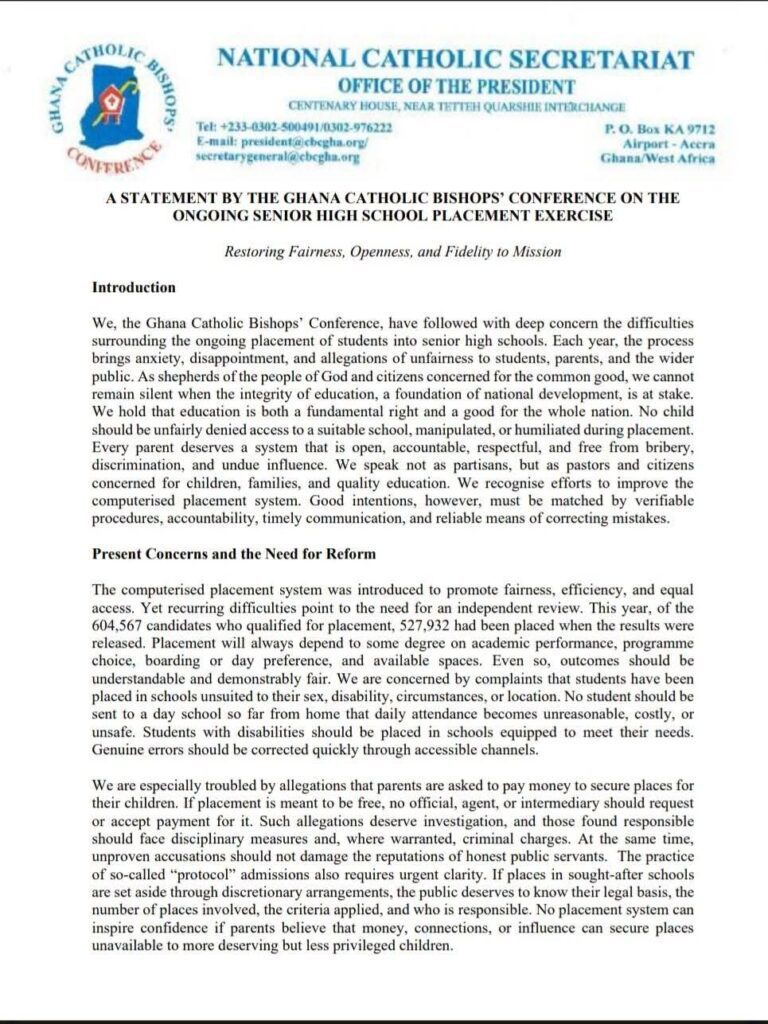
“We are especially troubled by allegations that parents are asked to pay money to secure places for their children,” the Bishops declared in a Monday statement. “If placement is meant to be free, no official, agent, or intermediary should request or accept payment for it.”
While insisting that extortionists face severe disciplinary and criminal prosecution, the hierarchy cautioned against smearing innocent public officials with unverified accusations.
The Bishops specifically targeted secret discretionary quotas used by top-tier schools, insisting the public has a right to know the legal grounds, criteria, and officials governing these slots.
“If places in sought-after schools are set aside through discretionary arrangements, the public deserves to know their legal basis, the number of places involved, the criteria applied, and who is responsible,” the statement added.
They warned that the system must never project an image where money, status, or political leverage trumps academic merit for qualified students.
Out of 604,567 candidates who qualified this year, 527,932 secured placements. Whilst accepting that academic performance, subject choices, accommodation, and capacity shape the final selections, the Bishops argued that outcomes must remain clear and defensible.
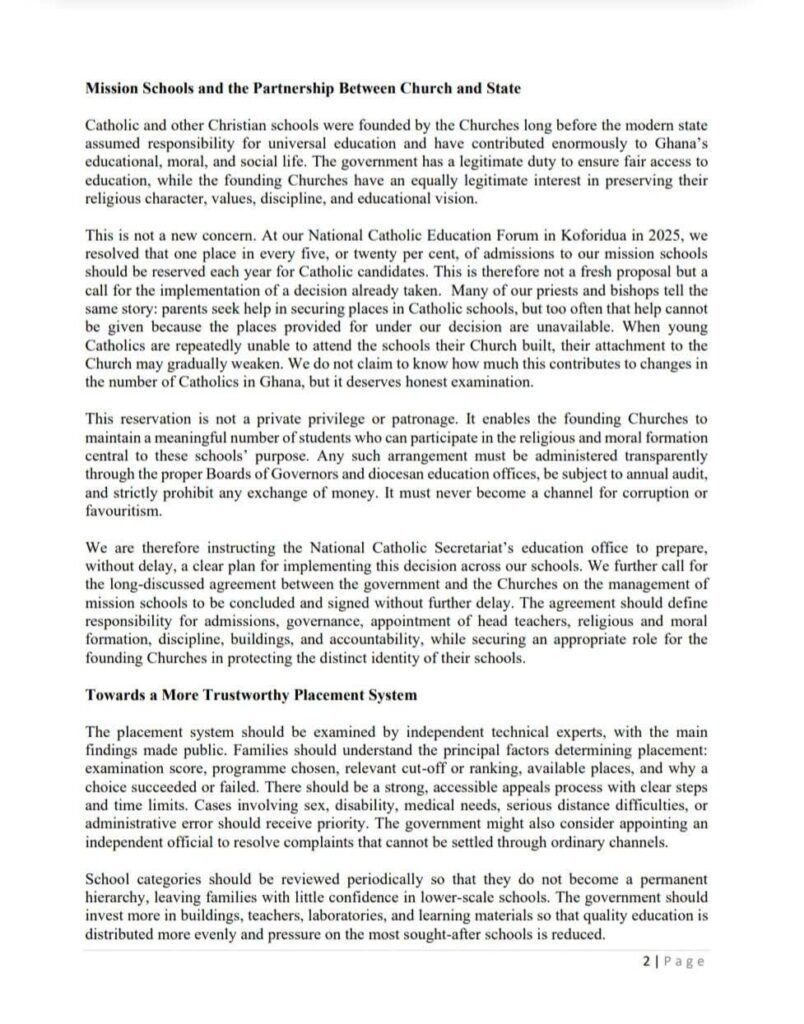
They also highlighted severe operational errors, including candidates assigned to wrong locations or schools unsuited to their sex or physical disabilities. To resolve this, they urged an immediate, accessible appeals mechanism, priority handling of special needs cases, and an independent technical audit of the CSSPS with published findings.
Beyond systemic reforms, the Conference called for the prompt execution of the long-delayed state agreement regarding mission school management. Consequently, the Bishops reaffirmed a policy reserving 20% of annual intake at Catholic mission institutions for Catholic students.
“We are therefore instructing the National Catholic Secretariat’s education office to prepare, without delay, a clear plan for implementing this decision across our schools,” the Bishops directed, stressing that the quota must remain transparent, audited annually, and free of financial exchanges.
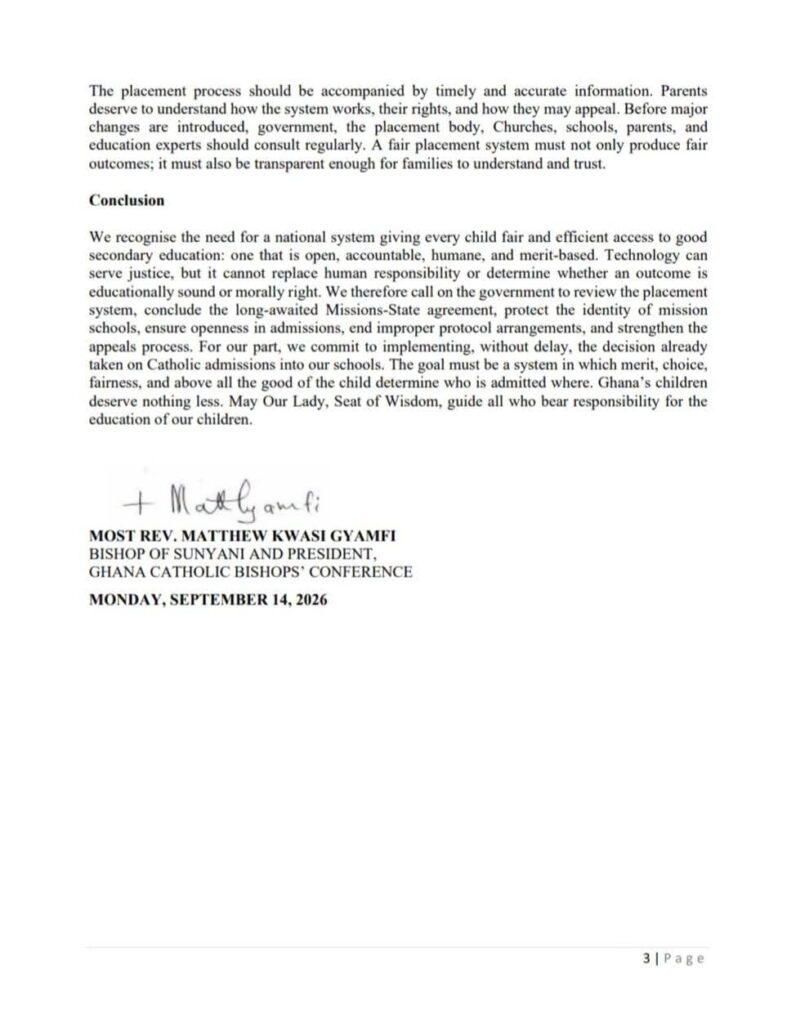
They concluded that Ghana needs a system where “merit, choice, fairness, and above all the good of the child determine who is admitted where.”
By: Rainbowradioonline.com/Ghana