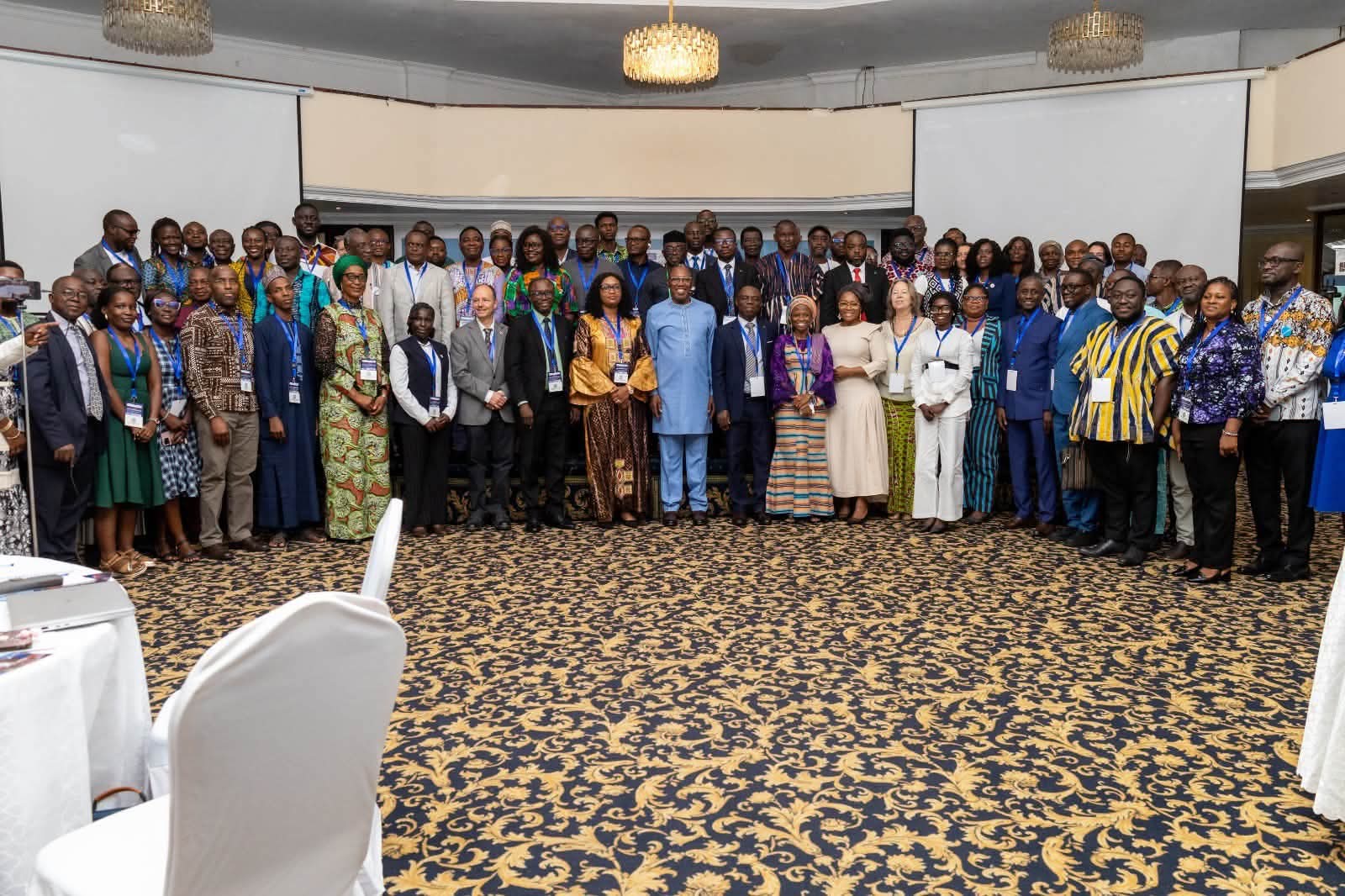
West African nations must make deliberate investments in building resilient education systems before crises strike, rather than scrambling to react when emergencies disrupt learning, the Deputy Minister for Education, Dr Clement Apaak, has urged.
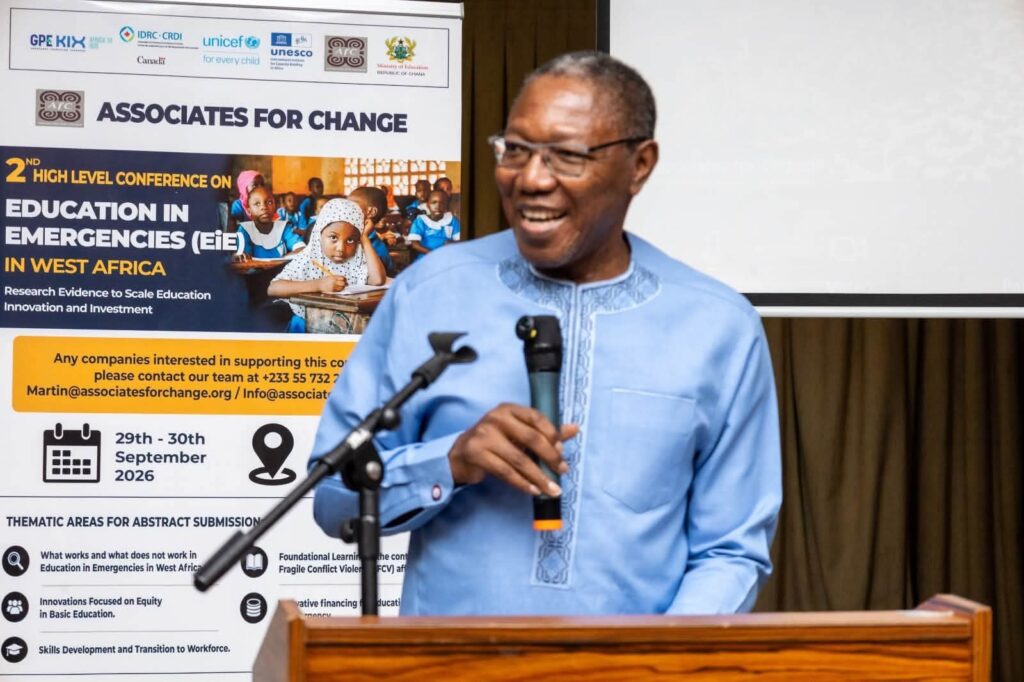
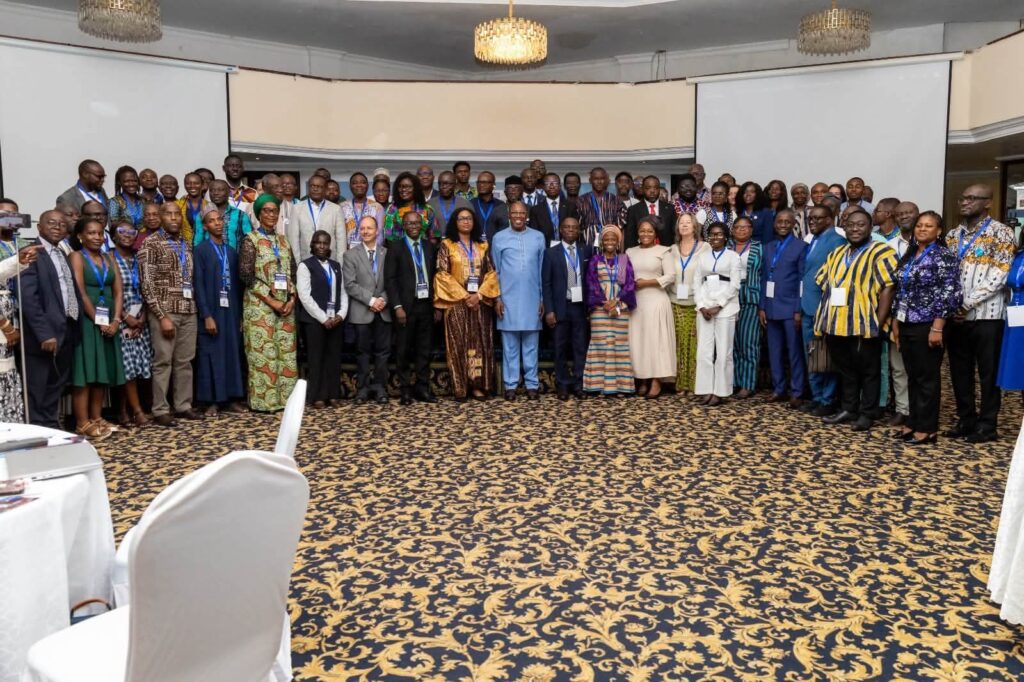
Speaking at the 2nd High-Level Conference on Scaling Education Initiatives in Emergencies in Accra, Dr Apaak cautioned that growing threats such as armed conflict, climate shocks, health crises and economic pressures continue to jeopardize the future of millions of schoolchildren across the sub-region.
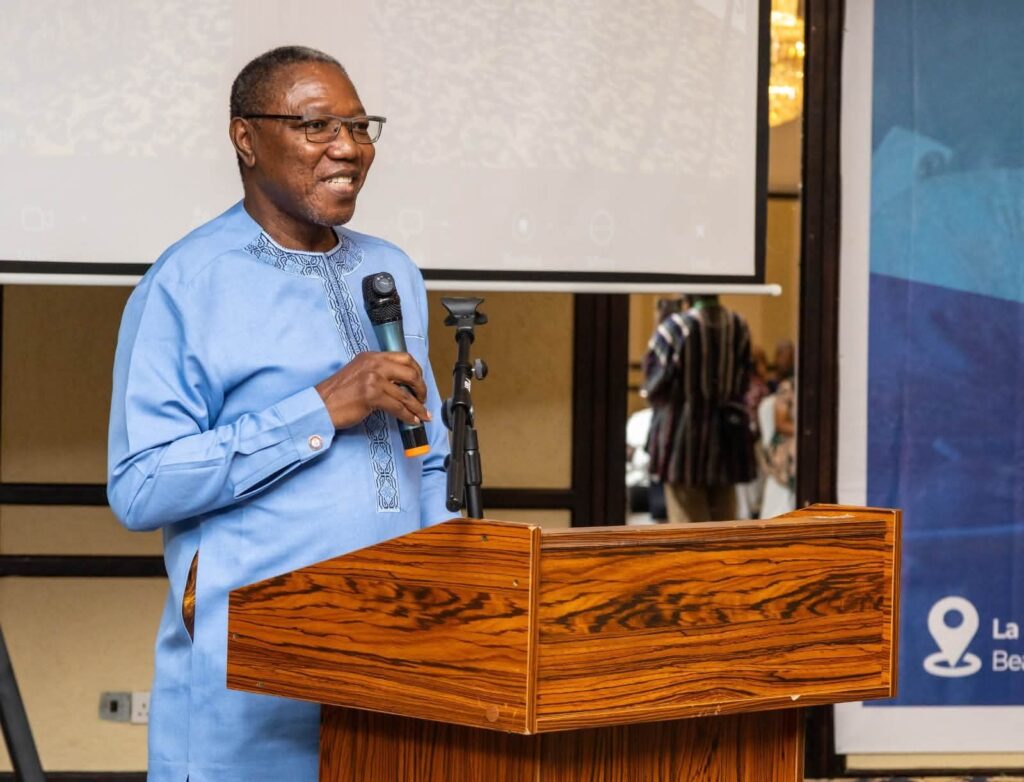
He emphasized that proactive risk analysis, robust contingency planning and the construction of safe school infrastructure are essential pillars of a resilient system, pointing out that preparing in advance is far less costly than rebuilding shattered educational frameworks after disaster strikes.
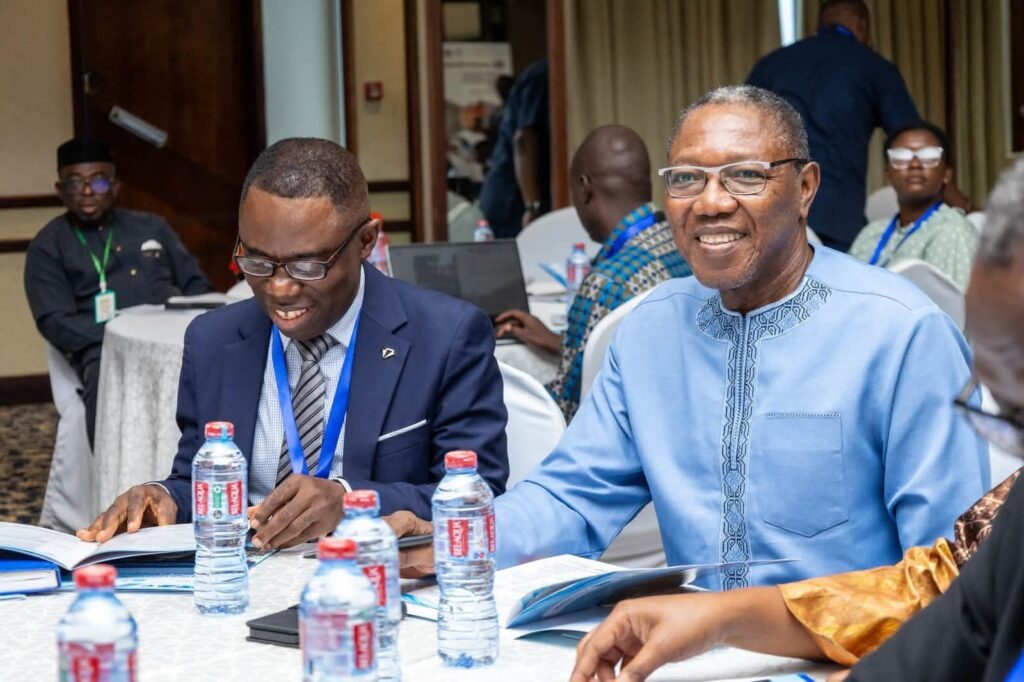
To achieve this, Dr Apaak underscored the urgent need to strengthen operational capacity at both regional and district levels.
He noted that equipping local authorities with reliable data, clear legal mandates and effective planning tools will ensure education systems can respond swiftly and maintain uninterrupted learning whenever emergencies arise.

Addressing funding constraints, the Deputy Minister called on governments and international development partners to secure sustained and predictable financing for proven interventions.
He specifically highlighted Accelerated Education Programmes, community-based learning initiatives and low-technology remote learning solutions as critical mechanisms for keeping children in school.
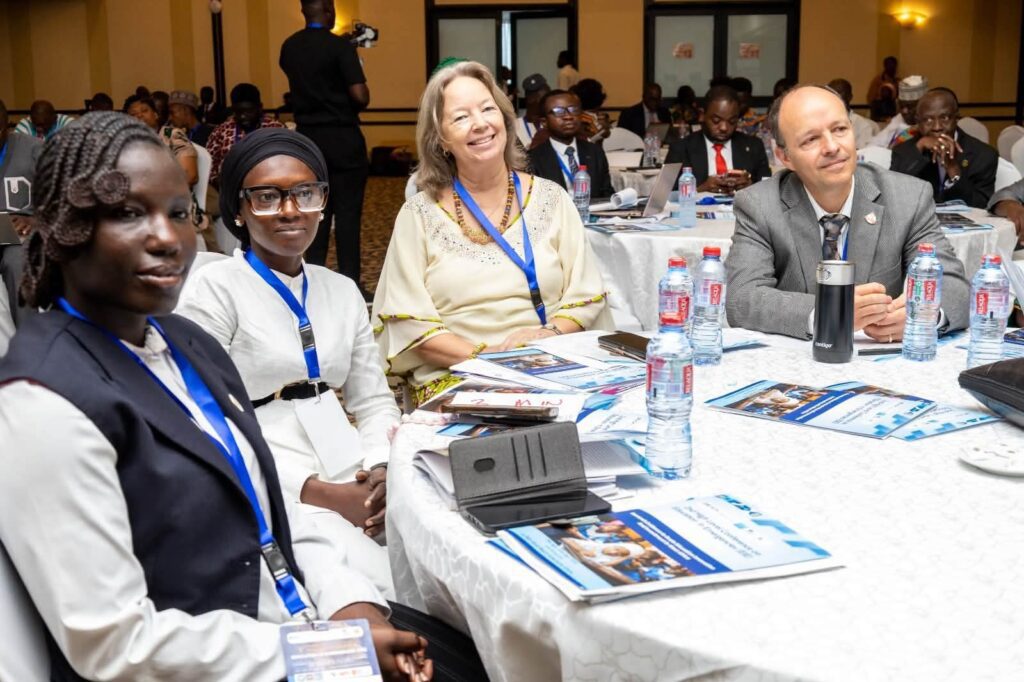
Dr Apaak concluded by calling for stronger regional cooperation, increased domestic resource mobilization and a firm commitment to equity, stressing that evidence-based research must remain central to safeguarding education for vulnerable and out-of-school children across West Africa.
By: Rainbowradioonline.com/Ghana