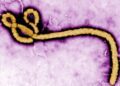
Health authorities in Nigeria have confirmed an imported case of the Ebola Bundibugyo virus in the Federal Capital Territory, Abuja, making the nation the fifth African country to detect the virus following the outbreak declared in the Democratic Republic of the Congo on 15 May 2026.
According to the Federal Ministry of Health and Social Welfare, the patient is a female traveler who recently returned from Uganda. She began experiencing symptoms on 7 October, four days after arriving in the country, before seeking medical attention at a private health facility in Abuja on 11 October. Laboratory tests subsequently confirmed the presence of the Bundibugyo strain on 20 October.
The patient remains in isolation where she is receiving treatment, while epidemiologists conduct detailed investigations to establish the exact source of infection and map out her complete travel and contact history. Contact tracing teams have identified 44 individuals who came into contact with the patient, all of whom are currently under strict medical surveillance.
Strict infection prevention and control protocols have been activated at the private healthcare facility involved to prevent further exposure. To streamline emergency operations, the Nigeria Centre for Disease Control and Prevention has activated its Incident Management System, focusing on immediate contact tracing, rapid case detection, and stringent facility-level biosafety measures.
The World Health Organization and international health partners are working alongside Nigerian authorities to reinforce control mechanisms. Support measures include deploying clinical response teams, enhancing surveillance, and dispatching critical personal protective equipment for healthcare workers on the front lines.
The WHO has called on regional nations to heighten disease monitoring and maintain maximum preparedness as the situation in the Democratic Republic of the Congo continues to unfold, pointing to Kenya’s recent cluster of nine cases linked to an imported infection. Member states have been advised to strengthen border surveillance, ready their rapid response teams, secure emergency medical stockpiles, and ensure laboratories can safely process suspected samples.
Despite the heightened alert, the global health agency advises against trade or travel restrictions targeting affected nations, confirming that risk assessments are being continuously updated as new epidemiological data becomes available.
By: Rainbowradioonline.com/Ghana