Ghana’s Ministry of Education has called for a fundamental shift in the nation’s education system, urging schools and corporate leaders to align classroom learning with the practical demands of the global digital economy.
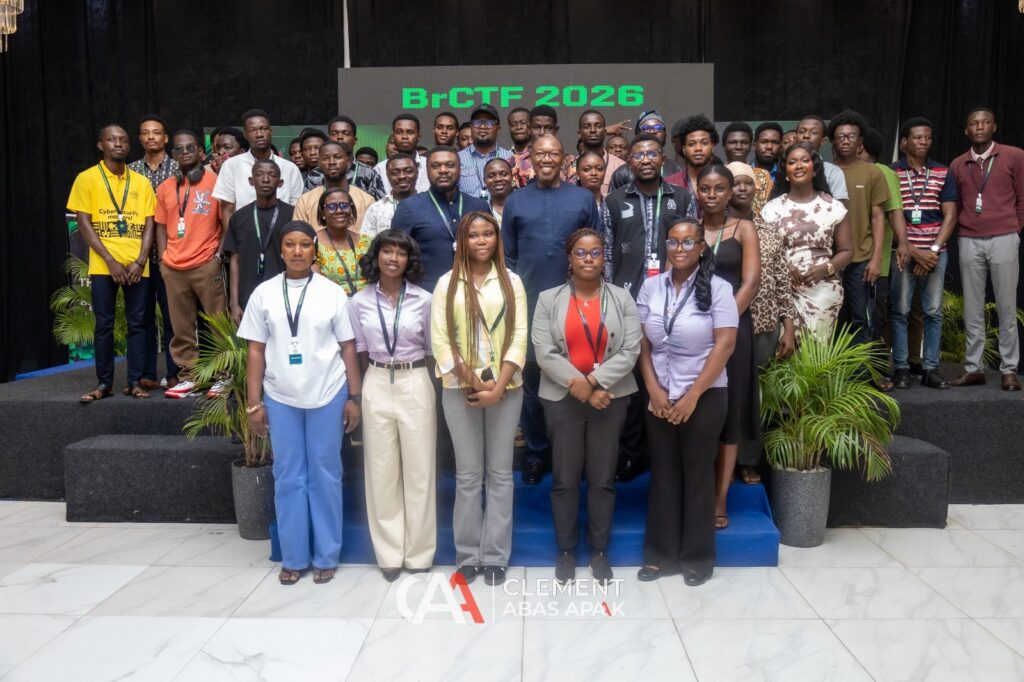
Speaking Thursday (October 22, 2026) at the opening of the 2026 Break the Code: Capture the Flag (BRCTF) event in East Legon, the Deputy Minister for Education, Dr Clement Abas Apaak, emphasized that academic performance alone is no longer sufficient to guarantee economic opportunity for young Ghanaians.

“For years, education systems have measured success by enrolment, completion and examination performance,” the Deputy Minister told an audience of policymakers, educators, technology experts, and students. “Those remain important. But the digital economy is asking us to go further. The real test is no longer simply, ‘What did you study?’ Increasingly, employers are asking, ‘What can you do?'”
Addressing the event’s theme, “Education for the Digital Economy: From Classroom to Global Jobs,” the Deputy Minister stressed that digital training must expand beyond basic computer operation to market-relevant competencies, including cybersecurity, artificial intelligence, cloud computing, data analytics, and software engineering.

To bridge the gap between education and employment, the Ministry urged industry leaders to take an active role in shaping academic programs, offering internships, and hiring young talent before students finish school.
“We need employers to tell us what roles are emerging, what skills are hard to find, what certifications matter, where graduates struggle, and what would make them willing to employ a young Ghanaian with digital skills,” the Deputy Minister said. “Do not simply attend. Engage the talent. Meet them. Test them. Mentor them. Where possible, offer internships, and where they show capability, give them their first opportunity.”

The speech also highlighted the potential for Ghanaian youths to secure remote international employment from cities across the country, provided they pair technical proficiency with professional discipline, time management, and cross-cultural communication.
The Deputy Minister praised hands-on competitions like BRCTF for cultivating real-world problem-solving skills under pressure, while calling on organizers and policymakers to track long-term outcomes—such as job placements, internships, and business ventures—rather than relying solely on attendance metrics. Additionally, the Minister stressed the need for early digital exposure in schools, clear career guidance for emerging technology roles, and intentional measures to include young women in technology fields.

Addressing the participants directly, the Deputy Minister encouraged continuous learning and practical demonstration of skills over traditional credentials.
“Do not simply build CV. Build evidence of what you can do,” the Deputy Minister advised. “Create projects, build portfolios, join competitions, seek internships, ask questions, and learn from people ahead of you.”
By: Rainbowradioonline.com/Ghana