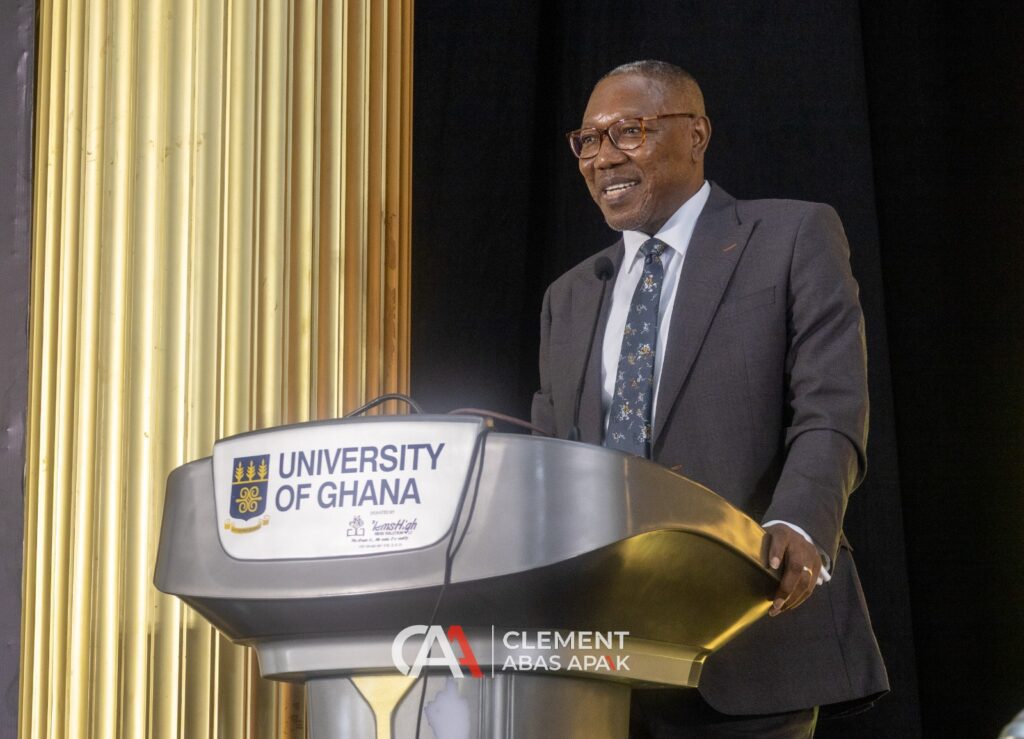
The Deputy Minister for Education, Dr Clement Abas Apaak, has urged Ghanaian students and young innovators to harness the potential of artificial intelligence (AI) to address critical national challenges, rather than remaining passive consumers of foreign technology.
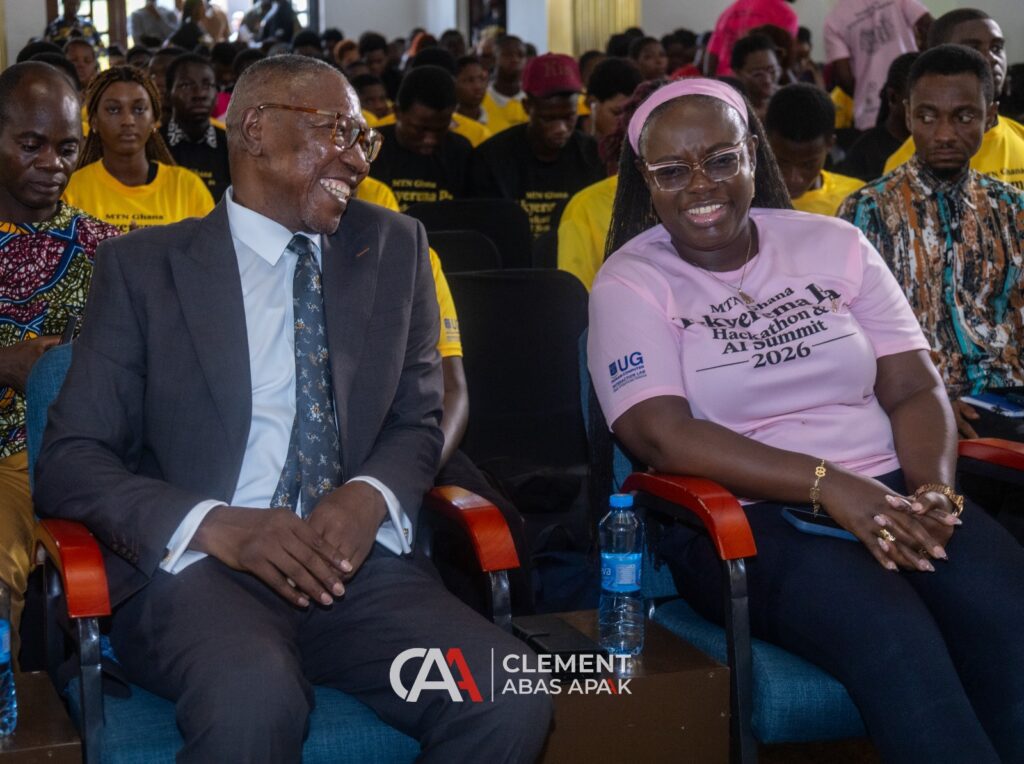
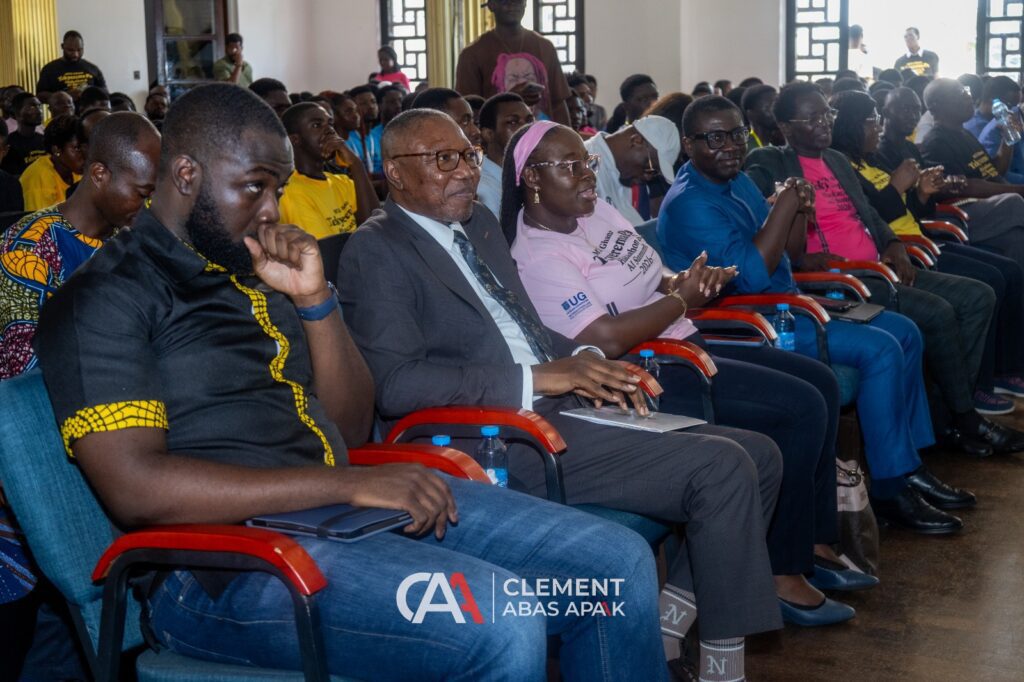
Speaking at the Tɛkyerɛma Pa Hackathon and AI Summit 2026 at the Great Hall of the University of Ghana, Legon, Dr Apaak underscored the urgent need to align Ghana’s educational system with the rapidly evolving global digital landscape.

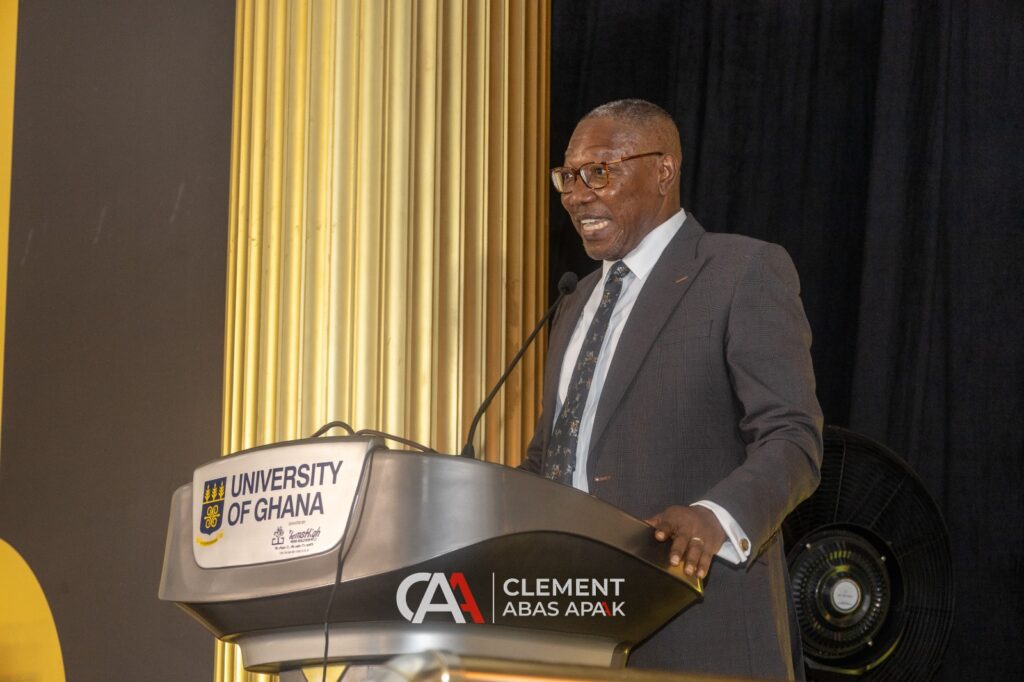
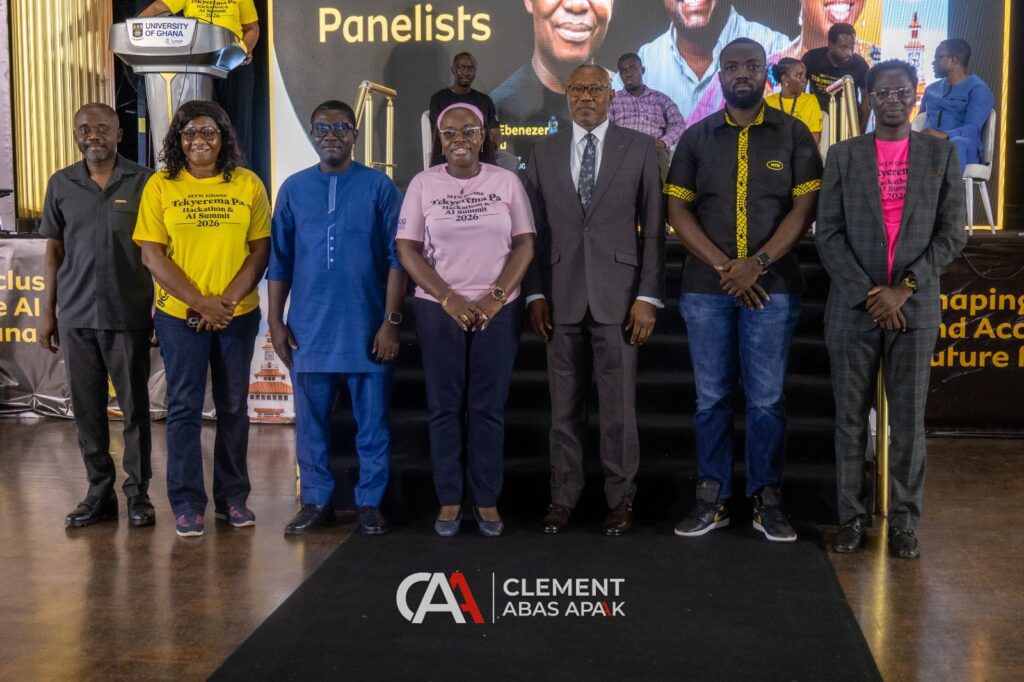
The event, convened under the theme “Reimagining Education for an AI-Driven Future: Empowering Ghanaian Learners to Innovate, Create and Lead,” brought together leaders from academia, industry, technology, and development organisations.
Addressing the gathering on behalf of the Ministry of Education, Dr Apaak emphasised that the conversation surrounding artificial intelligence must shift from basic technological adoption to active creation and leadership.

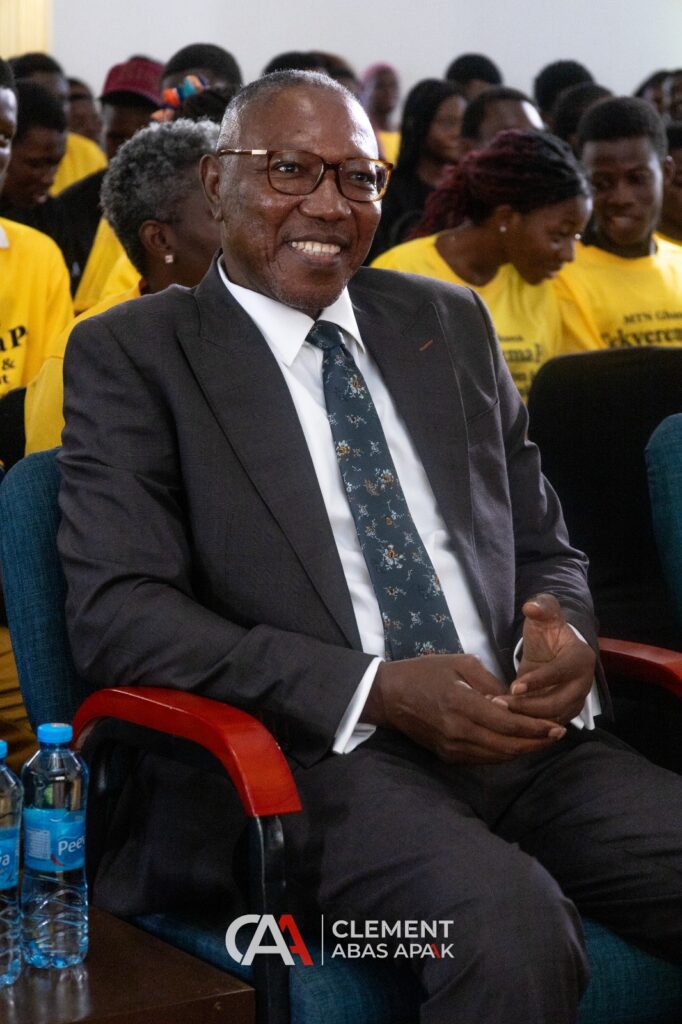
“The question is no longer whether AI will influence education. It already does. The question is whether our learners will shape this transformation, or navigate it as passive consumers of technologies developed elsewhere,” he stated.
He added: “Ghana must not merely prepare its young people to use the technologies of the future. We must empower them to innovate, to create those technologies, and to lead in governing their use and applying them to solve Ghanaian problems.”

Dr Apaak outlined government initiatives under President John Dramani Mahama designed to reset the national education framework to meet modern demands. Key among these interventions is the upcoming “Smart Start” curriculum developed by the National Council for Curriculum and Assessment (NaCCA).
The framework introduces coding, robotics, artificial intelligence, TVET, and electronics at the basic school level alongside core citizenship and ethical values.
He revealed that the Ministry has already received the framework for onward submission to Cabinet and Parliament, while directing the Ghana Education Service to prepare for a digital learning rollout extending from senior high schools to basic schools.
Highlighting equity and access, the Deputy Minister pointed to social support interventions such as the No Fee Stress initiative and fee exemptions for tertiary students with disabilities, ensuring talent across rural communities like Fumbisi and Builsa South is not left behind.
He also cited the One Million Coders Programme as a crucial bridge between digital skills acquisition and employment generation.
Directing his message to the hackathon participants, Dr Apaak challenged the competing teams to develop practical, high-impact digital solutions tailored to local needs.
“Do not build simply to impress the judges. Build to make a difference,” he urged, encouraging students to explore how technology can assist teachers, bridge rural learning gaps, and accommodate learners with special needs.

The Deputy Minister commended the University of Ghana, led by Vice-Chancellor Prof. Nana Aba Appiah Amfo, and corporate partner MTN Ghana for fostering collaboration between academia and the private sector. He called on industry stakeholders to sustain investments in mentorship, internships, and commercialising student-led technological breakthroughs.
By: Rainbowradioonline.com/Ghana