Parliament has marked World Preeclampsia Day 2026 with a renewed push for early detection and stronger maternal health systems to curb deaths from the pregnancy-related condition.
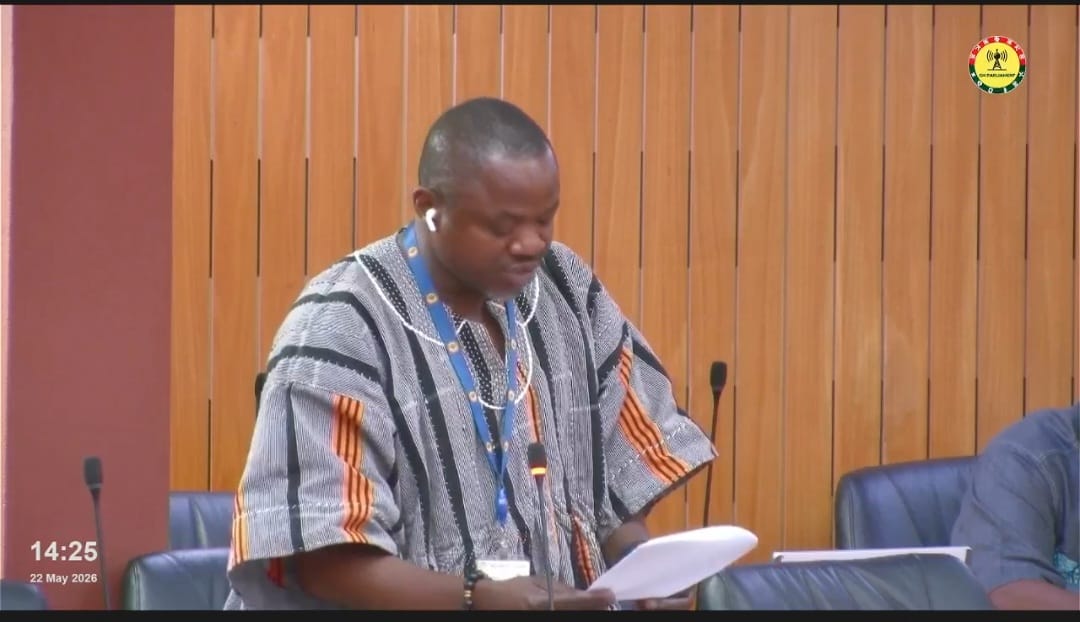
Delivering a statement on the floor of the House, Lambussie MP Prof. Titus Kofi Beyuo described preeclampsia as a “dangerous but often silent” complication that continues to kill thousands of women worldwide, with Ghana and other low- and middle-income countries bearing the heaviest burden.
This year’s commemoration, held annually on May 22, ran under the theme “Know Her Symptoms”— a call for communities to recognize warning signs and get pregnant women to care early.
Prof. Beyuo, who recently attended the WHO’s first Global Preeclampsia Summit in Kigali, Rwanda, said the meeting focused on building a roadmap to end preventable deaths from the condition.
He explained that preeclampsia is a hypertensive disorder in pregnancy marked by high blood pressure and protein in the urine.
It can damage the liver, kidneys, and brain, and may escalate to eclampsia — causing seizures and forcing premature delivery regardless of how far along the pregnancy is.
Citing WHO data, Beyuo said preeclampsia affects about 10 million pregnancies each year and causes 50,000 to 76,000 maternal deaths annually. Over 70% of those cases are in low- and middle-income countries.
“In teaching hospitals in Ghana, preeclampsia has overtaken hemorrhage as the leading reason why mothers die,” Beyuo told Parliament. He noted it is now the second-leading direct cause of maternal mortality both globally and in Ghana.
While the exact cause isn’t clear, he said it’s linked to abnormal placenta formation.
Risk factors include obesity, prior preeclampsia, diabetes, kidney disease, and pregnancies at very young or advanced maternal ages.
Because it often starts without obvious signs, Beyuo stressed that regular antenatal visits are critical. Severe cases can show up as headaches, blurred vision, upper abdominal pain, seizures, and organ complications.
He urged the Ministry of Health to equip all facilities handling pregnancies with BP monitors, essential drugs, diagnostics, and magnesium sulfate — the key treatment for severe cases.
Dr Beyuo praised the government’s Free Primary Health Care Programme and called for it to be used to expand care for women at risk of hypertensive disorders.
He also had a direct message for men: get involved. “Men must get involved,” he said, asking male partners to attend antenatal clinics with their spouses and help ensure they take prescribed medication. Women with family support, he noted, tend to have better outcomes.
World Preeclampsia Day is observed every May 22 to raise awareness of the condition and push for interventions that save mothers’ lives.
By: Rainbowradioonline.com/Ghana