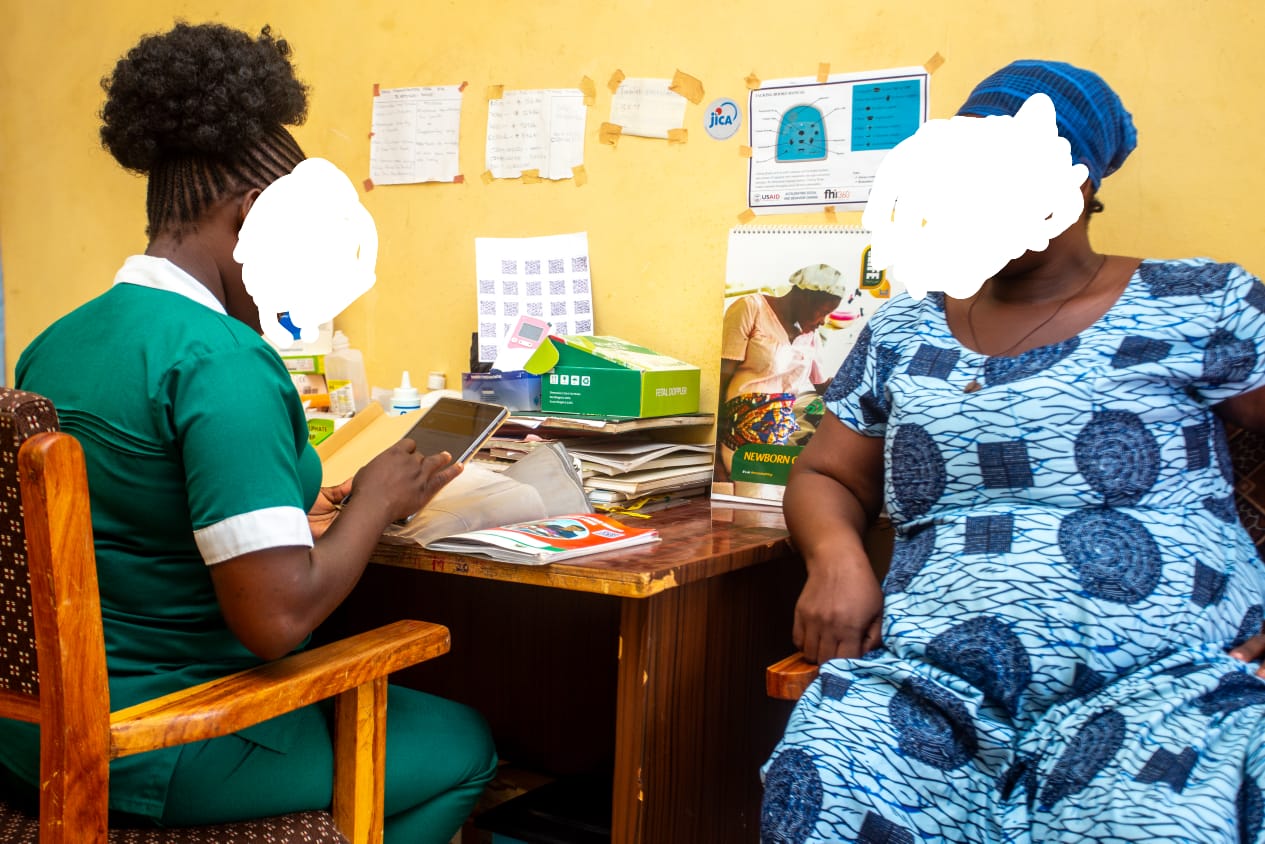
For nearly a decade, Nurse Leticia (not her real name) was a respected figure in the Saboba community of the Northern Region of Ghana. Clad in her crisp white uniform, she served patients with dedication at the Assemblies of God Hospital in Saboba, often staying past her shift to tend to newborns, calm expectant mothers, or assist in emergency deliveries.
But behind her nurturing hands was a heart weighed down by shame, not her own, but the one society forced upon her.
“I helped women deliver, but they laughed that I had none of my own,” Leticia said quietly.
Leticia, now 35, battled years of infertility, not just in private but under the unrelenting scrutiny of neighbors, colleagues, and even fellow health workers. What began as murmurs in the community quickly escalated into open ridicule in her workplace.
“It was the cleaners at first,” she recounts, “They would whisper and laugh after every delivery, saying things like, ‘Those who help others give birth can’t have their own.’ Then some of the nurses joined. Even a doctor joked once during rounds that I should try some of the fertility meds we were giving our patients.”
For Leticia, the very place she devoted her life to healing became the source of emotional trauma.
From Home to Hospital, Stigma Followed Her
At home, the silence in her marriage grew louder with each passing year. She and her husband, Nyoja Clement (not his real name), endured multiple failed attempts at conception. The pressure mounted, not only from extended family but from the community where having children is seen not just as a blessing, but a requirement of womanhood.
“My own in-laws started calling me names. Some even accused me of being a ‘man in disguise’ because I couldn’t get pregnant,” Leticia recalls, her voice cracking. “We prayed, fasted, drank herbs, went for scans, everything.”
And when medicine failed to bring answers, the couple turned to faith.
“We went from church to church. We spent nights in prayer camps. They anointed us, laid hands on us, and asked us to sow seeds. But nothing changed,” Leticia said.
The spiritual interventions not only drained their savings but added a new kind of emotional weight, shame wrapped in hope.
What worsened the pain was the assumption that the infertility was her fault, a bias deeply rooted in the lack of education and gendered beliefs that frame women as the default culprits in childlessness.
But the truth, as medical tests later confirmed, was something else entirely.
“It Wasn’t Me, It Was Him”
After years of emotional exhaustion, Leticia and her husband traveled to Tamale for specialized fertility screening. The results were both a revelation and a heartbreak.
Clement was diagnosed with azoospermia, a medical condition in which a man produces no measurable sperm in his semen, making it impossible for fertilization to occur naturally.
“When we left the doctor’s office, we didn’t talk for hours. He was quiet. I was numb,” she says. “All those years I was insulted, humiliated, treated like I was cursed… and it wasn’t me.”
Still, Leticia never blamed him.
“I love my husband, and this journey made me see how unfair the system is to women. No one ever questioned him. Everyone just assumed.”
A Transfer, and a New Beginning
As the stigma in Saboba intensified, even after the diagnosis, Leticia requested a transfer out of the hospital.
“I just couldn’t take it anymore. My colleagues were supposed to know better, but even among health workers, ignorance thrives.”
She now works at the SDA Hospital in Tamale, where she says the environment is more respectful and healing. Though the trauma still lingers, the change in location has given her room to breathe.
Both Leticia and her husband are currently undergoing couples’ therapy, and they are exploring fertility support options together with medical and emotional guidance.
The Silence Around Male Infertility
According to the Ghana Health Service, infertility affects 1 in every 5 couples, and male infertility accounts for nearly 40 to 50 percent of these cases. Yet societal narratives overwhelmingly blame women, especially in rural and semi-urban communities.
Dr. Salamatu Fuseini, a reproductive health expert in the Northern Region, says:
“We’ve seen far too many women being punished, ostracized, and even divorced for infertility. Meanwhile, their husbands often refuse testing. The stigma is killing marriages and destroying mental health.”
Breaking the Bias
Leticia now shares her story anonymously through a women’s peer network and health education circles, encouraging other women to seek answers, and to defend their dignity.
“Infertility is not a woman’s shame to carry. Couples must walk the journey together, without fear, blame, or silence. If it can happen to a nurse, it can happen to anyone.”
Conclusion
Leticia’s story is not an isolated one. It is the lived experience of many Ghanaian women, some in rural villages, others in white uniforms, all grappling with a silent, cruel burden that society refuses to share equally.
But her courage to seek truth, demand dignity, and protect love may just be the prescription Ghana needs to heal from its own ignorance.
By Prince Kwame Tamakloe/Rainbowradio online.com/Ghana