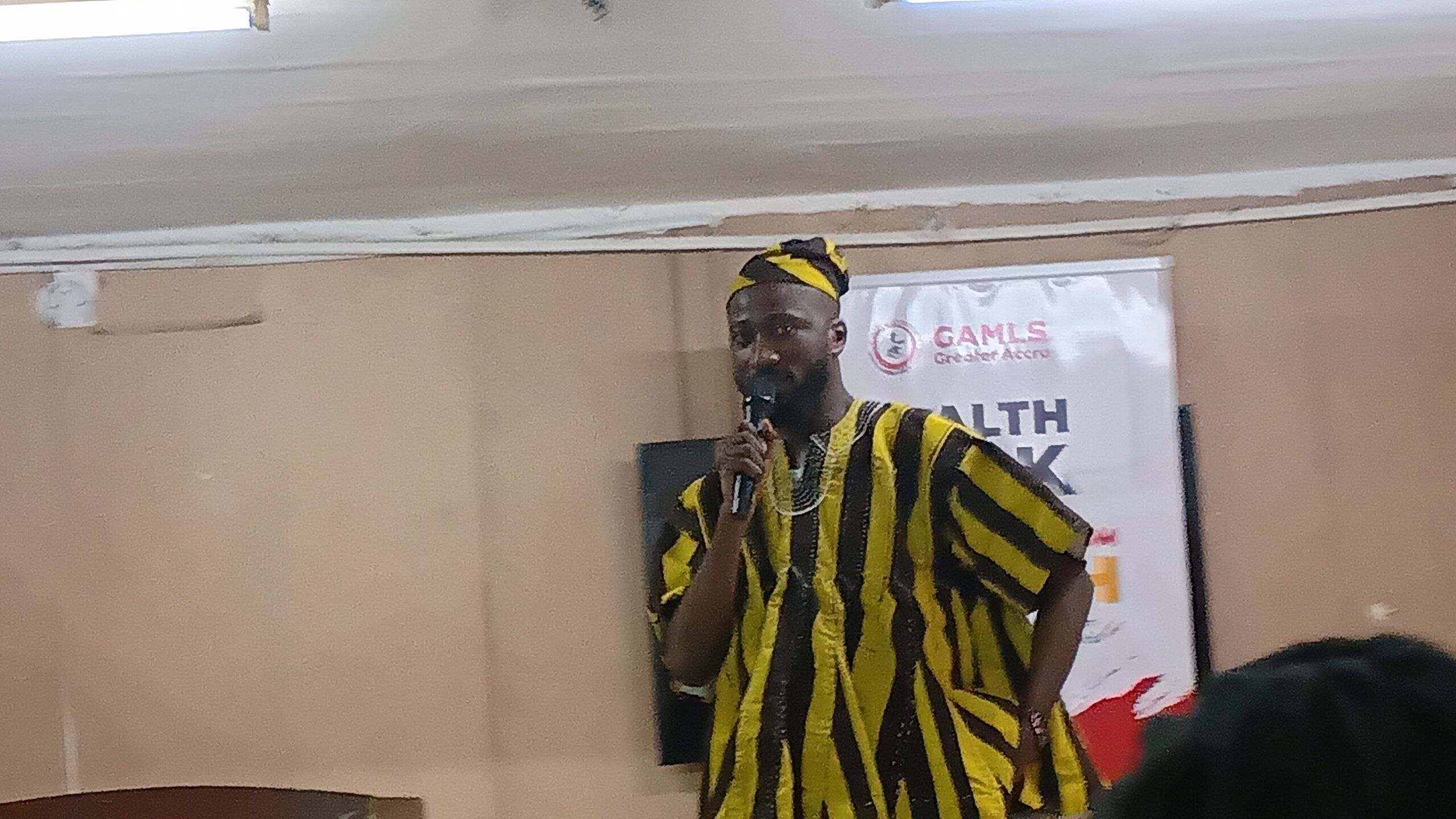
Medical laboratory scientist Michael Agbesi Kelly has described voluntary blood donors as heroes who help save lives.
According to him, voluntary blood donation offers significant health and social advantages for both the donor and the wider community.
The professional explained that before donating, volunteers receive a “mini-physical” that includes checks for blood pressure, pulse, temperature, and haemoglobin levels.
The donated blood is also screened for infectious diseases such as HIV, hepatitis B and C, malaria, syphilis, and other infectious diseases.
He defines blood transfusion as the intravenous administration of donated blood or specific components to a patient.
This vital intervention addresses critical needs arising from severe anaemia, traumatic injury, surgical complications, chemotherapy, and chronic illnesses such as sickle cell disease.
The procedure provides immediate, life-saving stabilisation through the restoration of oxygen-carrying capacity, the stabilisation of blood pressure, and the delivery of essential clotting factors to prevent haemorrhage.
He emphasised that safety remains paramount, maintained through rigorous cross-matching of ABO and Rh blood groups to avert adverse immune reactions.
Modern practice prioritises component-specific therapy, replacing only the necessary elements of the blood.
This targeted approach maximises the utility of donated units while mitigating risks like fluid overload, ensuring patients receive precise biological support during medical crises.
He said blood donation is reserved for those who meet specific physical benchmarks, ensuring both donor and recipient safety.
Donors must be 17-60 years old, weigh at least 50 kg, and have a haemoglobin level of 12 g/dL. Those who don’t meet the criteria may receive temporary deferral and free counselling, with encouragement to return when their health improves.
He stressed that certain medical conditions or lifestyle factors result in permanent disqualification from blood donation to protect both the donor and the recipient.
Individuals are ineligible if they have chronic illnesses such as liver, kidney, or heart failure, sickle cell disease, epilepsy, or stomach ulcers.
Additionally, those who have tested positive for HIV or hepatitis, require insulin for diabetes, use intravenous drugs, or have engaged in certain high-risk sexual behaviours are restricted from donating to ensure the safety of the blood supply.
He said this at a health seminar organised by the Greater Accra branch of the Ghana Association of Medical Laboratory Scientists (GAMLS) on March 27, 2026, as part of its “Professionalism Month” celebrations.
The event, themed “Importance of Laboratory Testing—Get Tested to Know Your Health Status”, was held at the University of Ghana, Accra City Campus.
The seminar aims to bridge the gap between laboratory science and public awareness, emphasising the critical role that accurate testing plays in disease prevention and health management.
By: Rainbowradioonline.com/Ghana