The Ministry of Education has thrown its weight behind a new collaborative initiative aimed at enhancing the nutrition of school children while stimulating local economies.
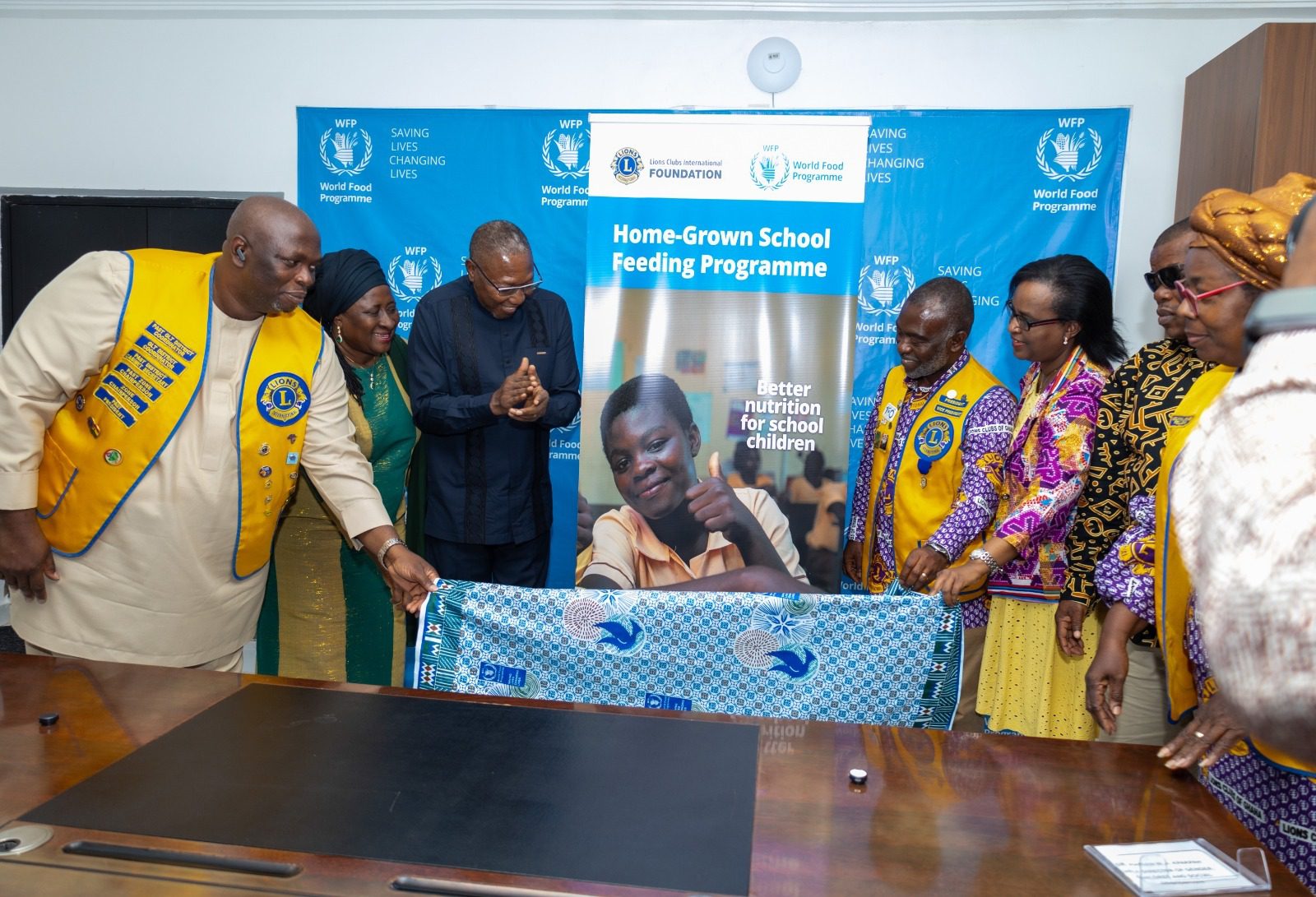
Deputy Minister for Education, Dr. Clement Apaak, gave the assurance during the media launch of the partnership between the Lions Clubs International Foundation (LCIF) and the World Food Programme (WFP), which focuses on the Home-Grown School Feeding (HGSF) project.

Speaking at the WFP Conference Room in Accra, Dr. Apaak emphasized that health and proper nutrition are deeply intertwined with academic performance.
He noted that academic success is heavily compromised when children go to school hungry, making school nutrition a vital investment in human capital development.
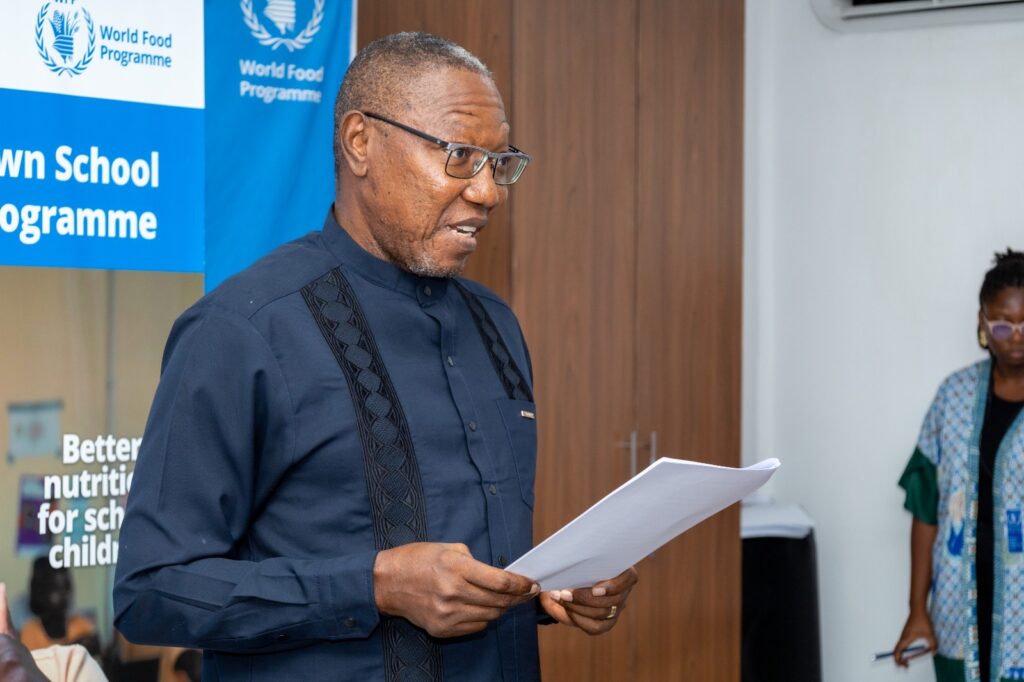
“Education remains one of the most powerful tools for national development,” Dr. Apaak stated.
“However, the ability of a child to learn effectively is closely linked to his or her health and nutritional well-being.
A hungry child cannot fully concentrate in the classroom, participate actively in learning, or achieve his or her full potential.”
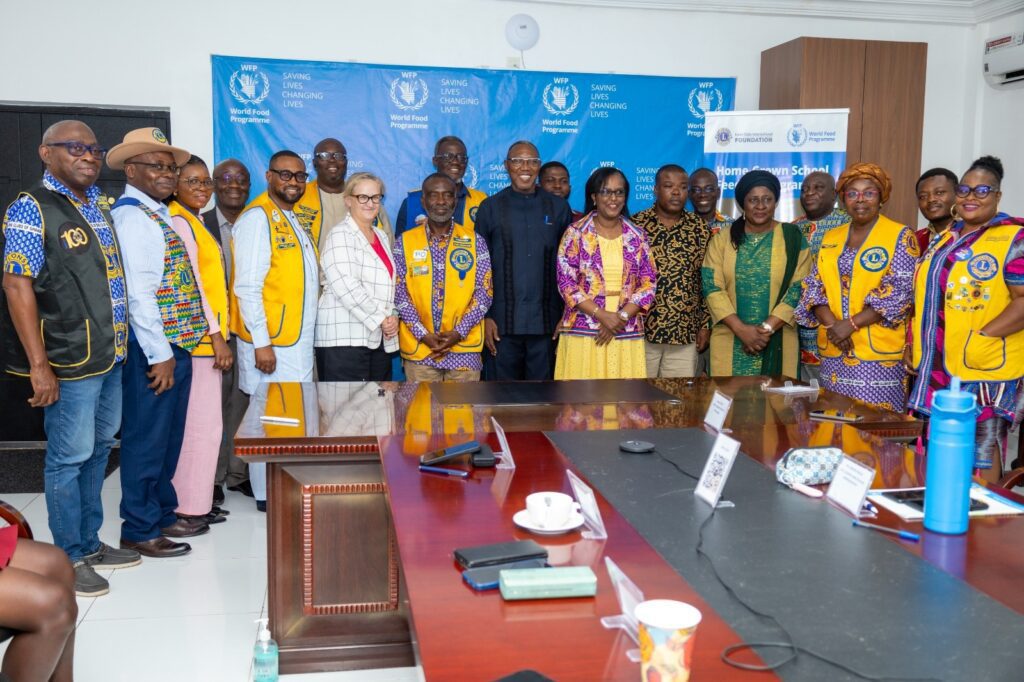
The newly launched HGSF project aims to tackle classroom hunger and malnutrition, particularly among kindergarten and primary school pupils, while simultaneously creating economic opportunities for local farmers.
The pilot phase of the project is set to begin in the Karaga and Sekyere Central districts.

By sourcing meals directly from smallholders within these communities, the initiative seeks to reinforce local food systems and support agricultural value addition.
Highlighting the multidimensional nature of the intervention, the Deputy Minister explained that the initiative bridges the gap between education, agriculture, and community growth.
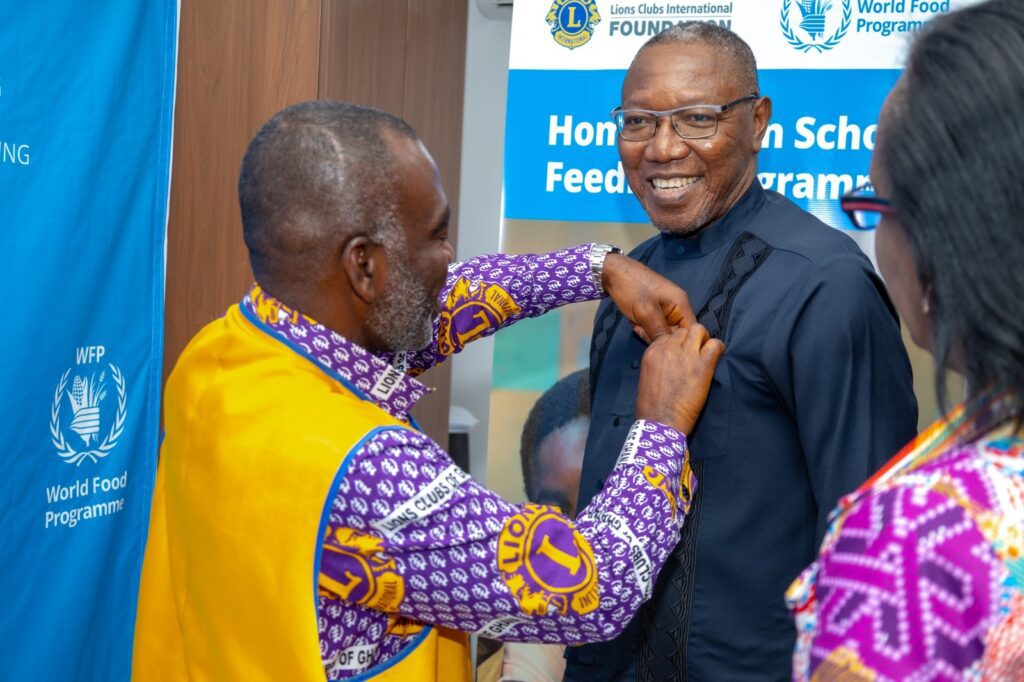
He remarked that providing nutritious meals sourced from local farmers not only supports school attendance and learning outcomes but also creates economic opportunities for farming communities and strengthens local food systems.
The Ministry of Education commended both the WFP and LCIF for their dedication to improving child welfare and ensuring that Ghanaian children learn in environments that promote equity and dignity.
Dr. Apaak noted that the success of the pilot program would rely heavily on strong stakeholder coordination and community ownership, expressing optimism that the outcomes will provide valuable data to shape future, larger-scale national feeding policies.

By: Rainbowradioonline.com/Ghana