Deputy Minister for Education, Dr Clement Apaak, has called for stronger partnerships between academic institutions and the private sector to bridge the gap between classroom instruction and actual industry demands.
Representing the Minister for Education, Haruna Iddrisu, at the China–Africa Sub-Forum on School–Enterprise Collaboration during the TVET Conference in Tianjin, China, Dr Apaak stressed that technical and vocational education remains central to youth empowerment, industrial expansion, job creation, and overall economic transformation.


Addressing delegates at the sub-forum, which focused on school-enterprise collaboration as a pathway to empowering African youth, Dr Apaak made it clear that vocational institutions cannot develop market-ready skills in isolation.
“TVET is critical to youth empowerment, industrial development, job creation and economic transformation. Training must lead to practical competencies, employment, entrepreneurship and lifelong learning,” Dr Apaak stated. “TVET institutions cannot develop industry-relevant skills without active private-sector participation.”
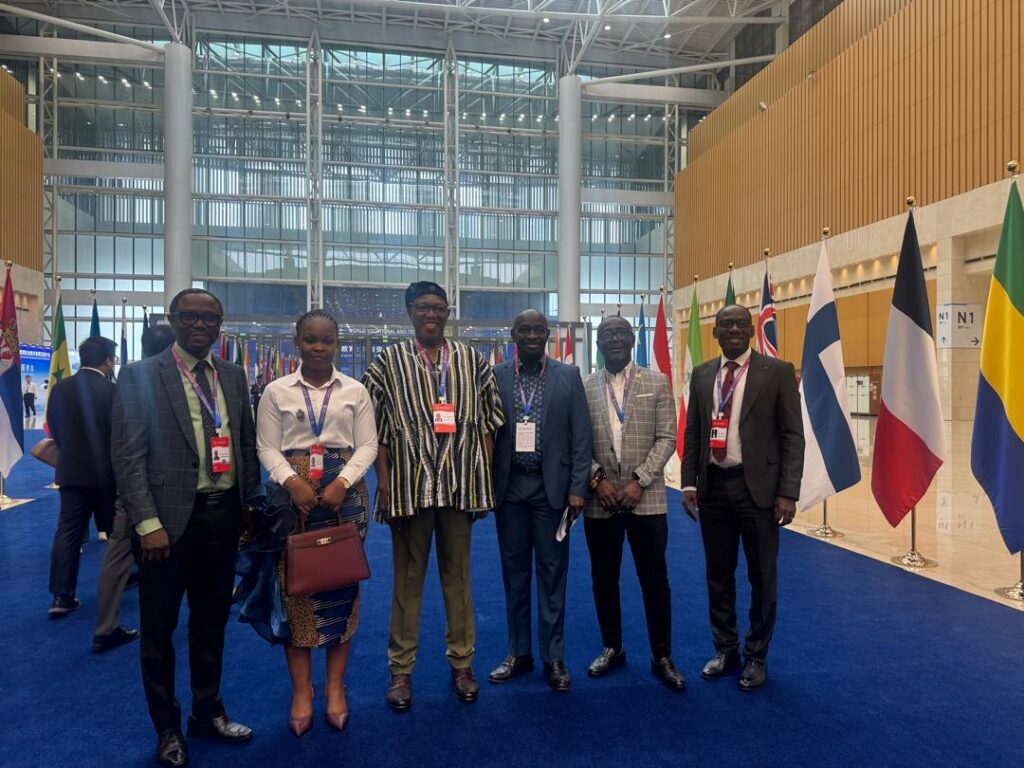
Highlighting Ghana’s progress, the Deputy Minister pointed to an industry-led strategy anchored on Competency-Based Training (CBT).
He revealed that Ghana has developed 445 CBT packages across 89 programmes, supported by 16 Sector Skills Bodies (SSBs) that bring employers and industry representatives directly into curriculum design, occupational standards development, assessment, and certification.

He noted that mechanisms like Workplace Experience Learning (WEL) are yielding practical results, with 81.8 per cent of Ghanaian TVET institutions successfully securing workplace placements for learners and 73 per cent of students receiving direct feedback from workplace supervisors.

In the informal sector, initiatives such as the Ghana Jobs and Skills Apprenticeship Programme and the Ghana TVET Voucher Project have engaged thousands of Master Craft Persons, supporting over 37,000 apprentices in trades ranging from automotive repair and welding to electrical installation, construction, and hospitality.
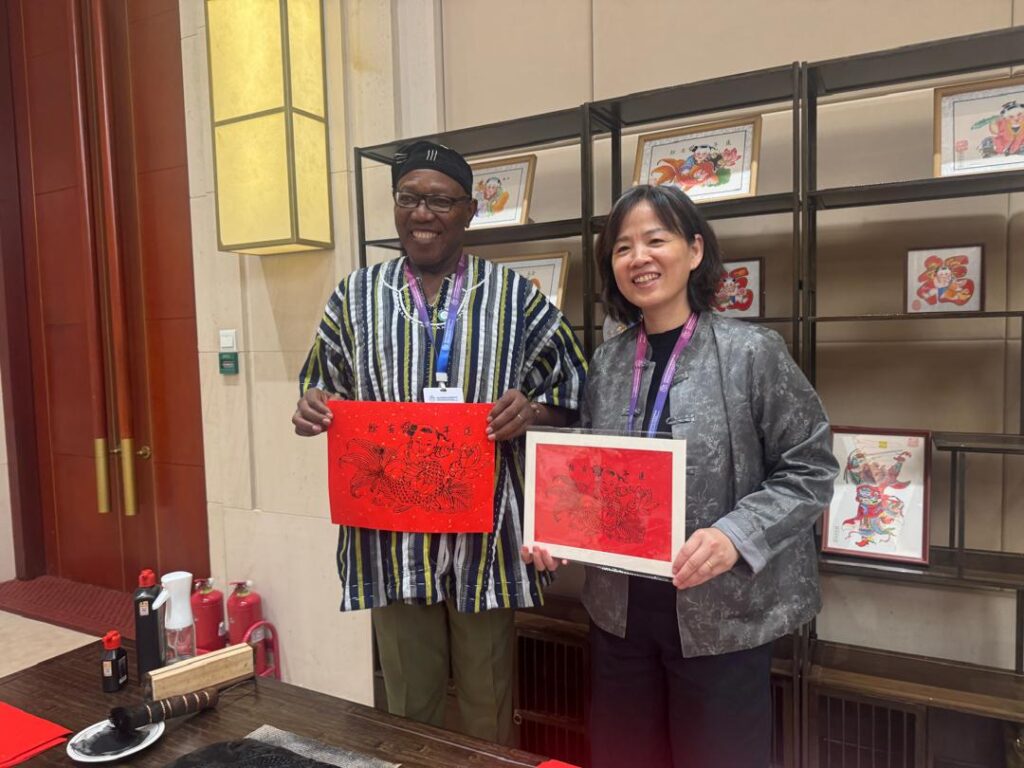
“Ghana seeks to strengthen school–enterprise partnerships that bridge the gap between training and industry needs,” Dr Apaak emphasised. “Our goal is to move from training for certificates to training for competence, productive employment and enterprise development, empowering Africa’s youth to drive industrialisation and sustainable economic growth.”


Despite these strides, Dr Apaak acknowledged persistent operational bottlenecks, including limited collaboration, insufficient employer incentives, shortages of placement spots, and weak industry support for consumable training materials.

Outlining expectations for future Ghana–China cooperation, the Deputy Minister urged both sides to focus on joint curriculum development, trainer and learner exchanges, technology transfer, and workplace training with Chinese enterprises operating in Ghana. He underscored that all collaborative frameworks must remain reciprocal, sustainable, and strictly aligned with Ghana’s national development priorities.

By: Rainbowradioonline.com/Ghana