An anti-drug abuse advocate undergoing rehabilitation at the Chosen Rehab Centre, Yaw Daniels, has commended state agencies for clamping down on the illicit drug dens and joints popularly known as ghettos.
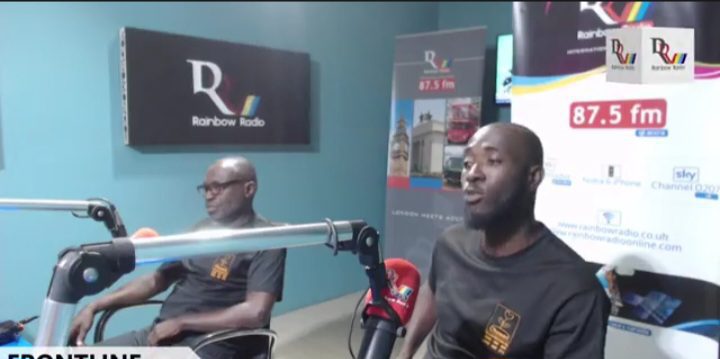
Appearing on Frontline on Rainbow Radio 87.5FM, Mr Daniels maintained that drug abuse pushes individuals into a terrible physical and emotional breakdown.
He noted that many abusers are driven into various criminal activities simply to satisfy their cravings for hard drugs, with some even dying in the long run.
According to him, the state must intensify its current initiatives to protect young people from the scourge of substance abuse.
He referred to the negative effects of drug abuse as a significant threat to both the individuals involved and the state, adding that authorities must do everything possible to make the illicit trade uncomfortable for peddlers.
Mr Daniels described drug addiction as a serious and complex issue that remains incredibly difficult to overcome.
He revealed that some individuals undergoing rehabilitation occasionally suffer a relapse, placing them in situations far worse than their previous struggles.
For him, overcoming drug addiction ultimately requires the special grace of God alongside deep personal discipline.
As someone who has personally experienced the cycle of rehabilitation and relapse, the advocate stated that he has “seen it all” and would never encourage anyone to experiment with drugs of any form.
Reflecting on the security agencies’ recent sweeping operations against drug dens across the country, he praised the bold decision to weed out illegal activities.
He explained that the Chosen Rehab Centre regularly embarks on outreach programmes to these ghettos to encourage addicts to give up drugs, describing the living conditions of the individuals there as heartbreaking.
He strongly backed the ongoing operations and underscored the urgent need for them to be sustained by the state.
“We support the clamping down on ghettos,” Mr Daniels stated. “It is not easy promoting rehabilitation and helping drug addicts. It is expensive, and so while we put in the efforts to rehabilitate people, we cannot allow others to build ghettos and sell these drugs. We support the clamping down one hundred per cent, that ghettos and places of all these vices should be brought down on their knees so that we will no longer have them in existence. We know it would be difficult to sweep all of them out of the system, but gradually, we will get them.”
Meanwhile, Kweku Gardener, another advocate also undergoing rehabilitation at the centre, has admonished the Ghana Education Service to introduce comprehensive lessons on drug abuse, its effects, and its dangers into the national school curriculum.
This intervention, he argued, would afford children a vital opportunity to learn about the dangers of substance abuse from the basic level through to secondary school.
By: Rainbowradioonline.com/Ghana