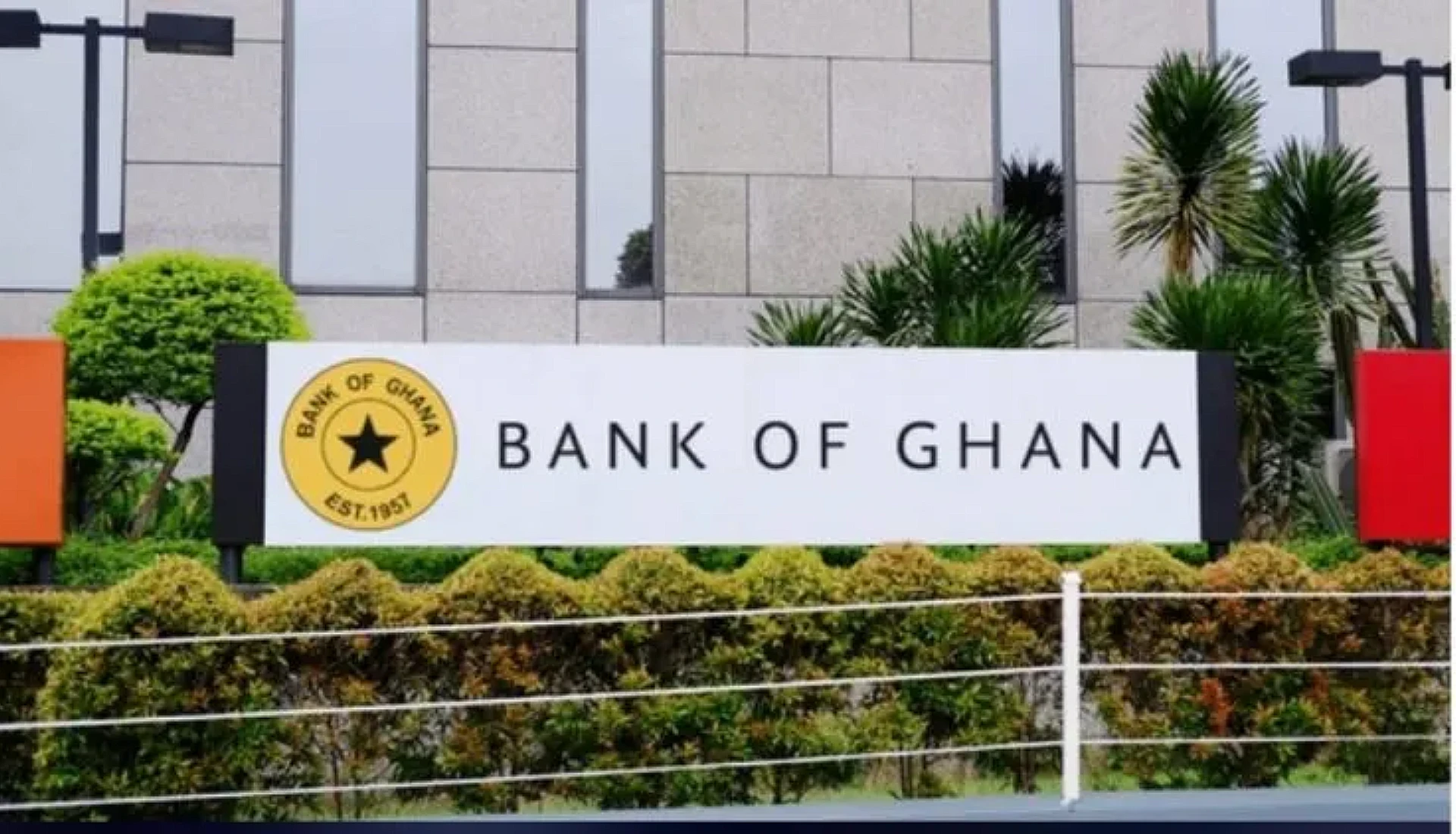
The Bank of Ghana has expressed optimism that headline inflation will revert to its medium-term target band of 8 ± 2 per cent, provided no major economic shocks occur.
However, the apex bank cautioned that external threats, particularly escalating geopolitical friction in the Middle East, continue to pose significant upside risks.
Consequently, central bank officials emphasised the necessity of maintaining a firm and appropriate monetary policy stance going forward.
Details contained in the Central Bank’s May 2026 Monetary Policy Report reveal that headline inflation experienced a mild uptick in April 2026, marking the first break in the downward trend since the disinflation process commenced in December 2024.
This temporary surge was primarily driven by non-food components within the Consumer Price Index basket.
Reaffirming its medium-term forecast, the Central Bank noted, “In the outlook, inflation is projected to trend into the medium-term target band of 8 ± 2%”.
A breakdown of the price trends shows that food inflation eased slightly to 2.2 per cent in April 2026, down from 2.3 per cent in March 2026, buoyed by a bumper agricultural harvest. On the other hand, non-food inflation crept up from 3.9 per cent in March to 4.2 per cent in April, largely driven by escalating utility costs.
Notwithstanding this marginal rise, the Bank’s core inflation indicators—which strip out volatile energy and utility items—maintained a downward trajectory.
This movement demonstrates that the price pressures were localized rather than broad-based. Meanwhile, core measures excluding food (core 2 and core 4) remained above the headline rate, standing at 4.2 per cent and 4.7 per cent respectively for April 2026.
By: Rainbowradioonline.com/Ghana