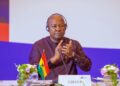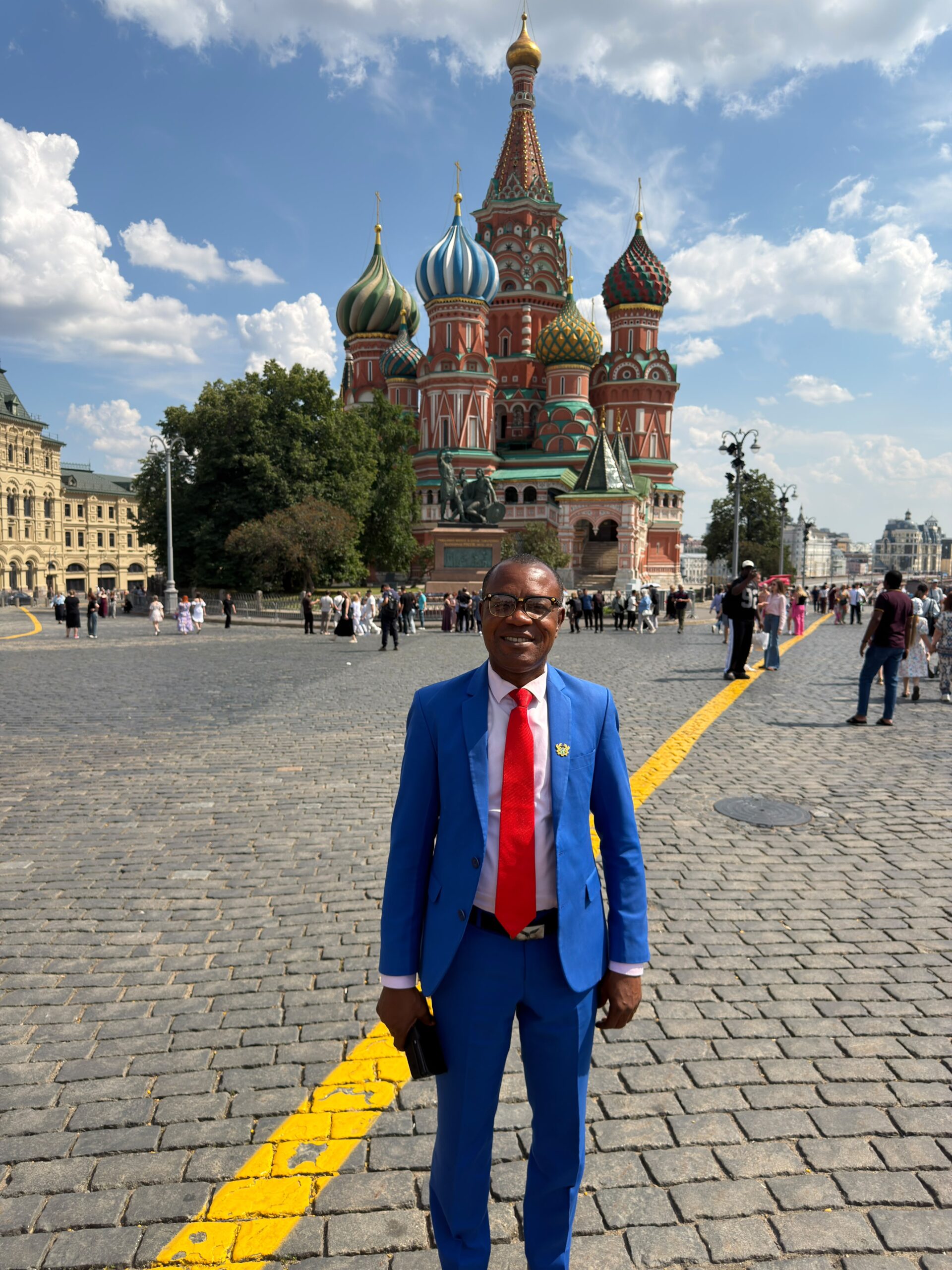
Eric Sosu, a member of the governing National Democratic Congress (NDC) communications team, has strongly criticized transport operators who are arbitrarily raising fares across the country.
He observed a orchestrated effort by certain transport operators to hike prices without authorization from the relevant authorities. His comments follow an official announcement by the Ghana Private Road Transport Union (GPRTU) and the Ghana Road Transport Coordinating Council (GRTCC) stating that transport fares would remain unchanged.
This decision came after a recent government intervention to reduce the regulatory margin on diesel by GH¢2.00 per litre for a one-month period—a move the transport bodies welcomed in a joint press release on Wednesday, August 5.
Despite the official directive, several drivers have defied the GPRTU’s order by imposing higher fares. Sosu characterized these unauthorized increases as unlawful and urged the government to take immediate corrective action.
He lamented that drivers previously raised fares unilaterally under the pretext of bad road conditions without facing any repercussions, which has emboldened them to bypass regulations once again.
Questioning whether these operators possess the mandate to adjust rates independently, he warned that such lawlessness threatens to destabilize the transport sector.
Speaking on Frontline on Rainbow Radio 87.5FM, Sosu stated, “The transport operators have increased fares. An example is Kasoa to Madina which was GH¢17 is now GH¢21. The government is also quiet and refused to come to the rescue of the public who depend on commercial transport.” He further cautioned host Kwabena Agyapong that if the government fails to resolve the issue, sympathizers of the opposition New Patriotic Party (NPP) within the GPRTU and its affiliated groups could leverage the situation to undermine the administration.
Sosu emphasized that the majority of Ghanaians rely on public transport to commute, making swift state intervention essential—particularly at a time when private sector wages remain stagnant while living costs rise. Framing the situation as a national crisis rather than a partisan political matter, he noted that regulatory bodies appear ineffective.
He concluded that if these authorities were performing their duties properly, individual commercial operators would not be able to take the law into their own hands and misbehave.
By: Rainbowradioonline.com/Ghana