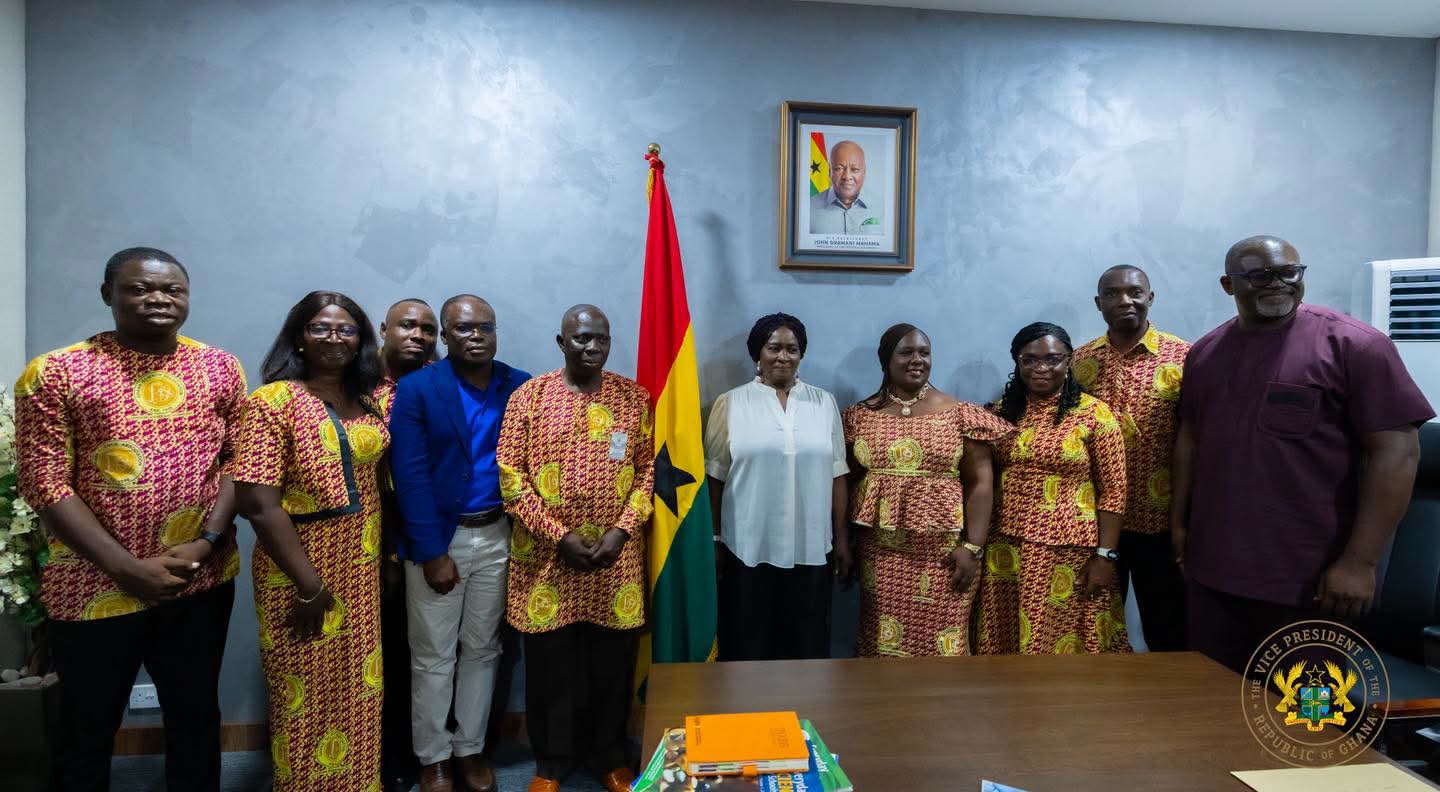
Vice President Prof. Jane Naana Opoku-Agyemang has called for a shift toward practical and relatable science education in Ghana, emphasizing the need to demystify complex scientific concepts for learners across the country.
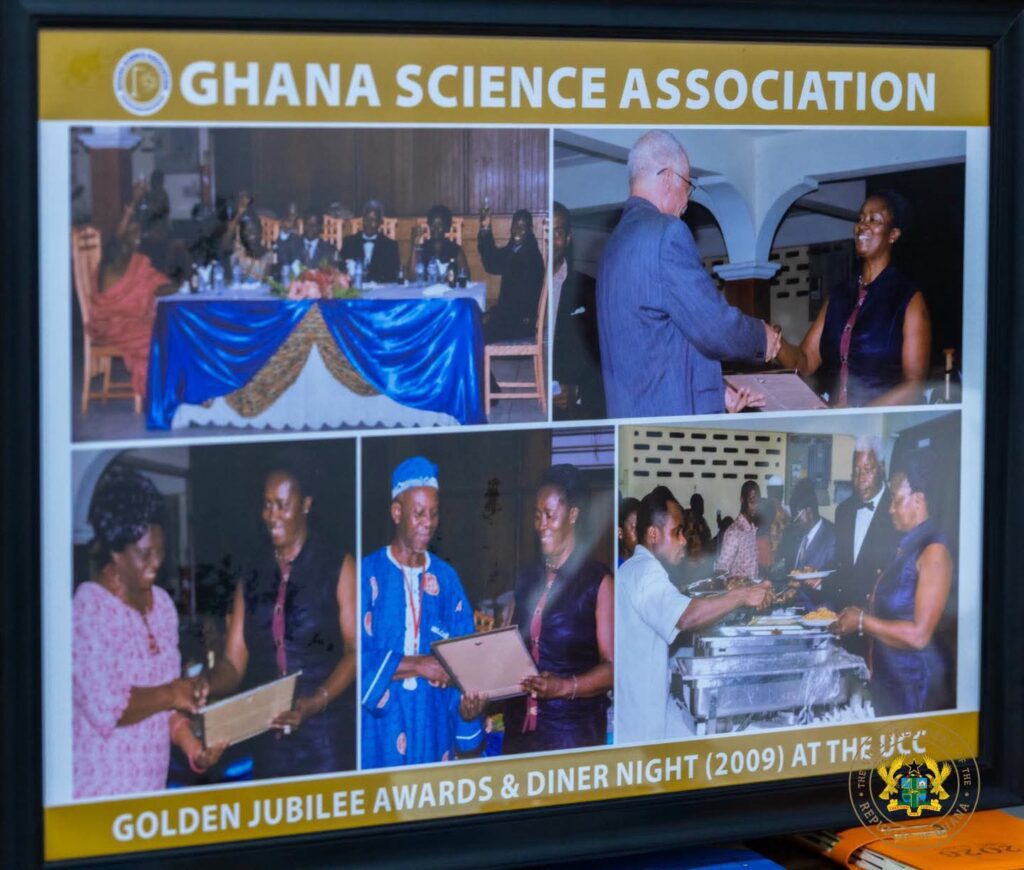
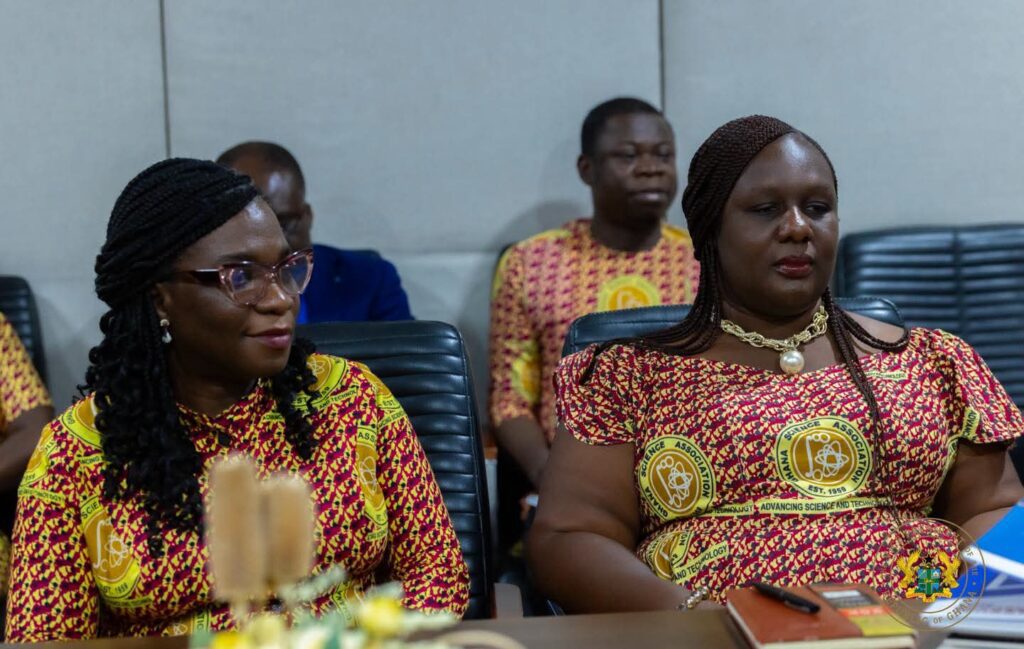
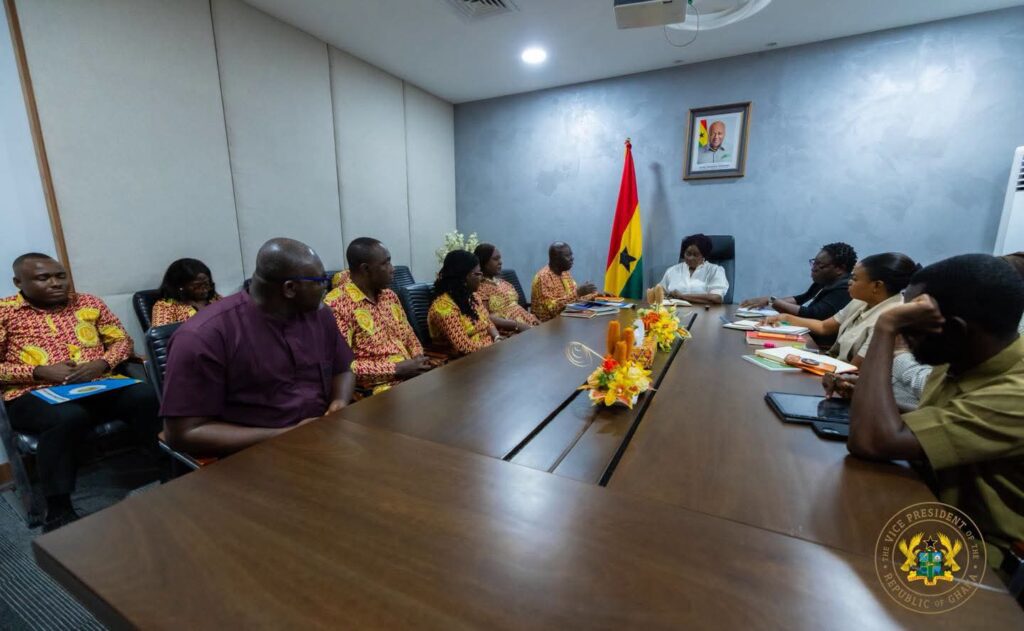
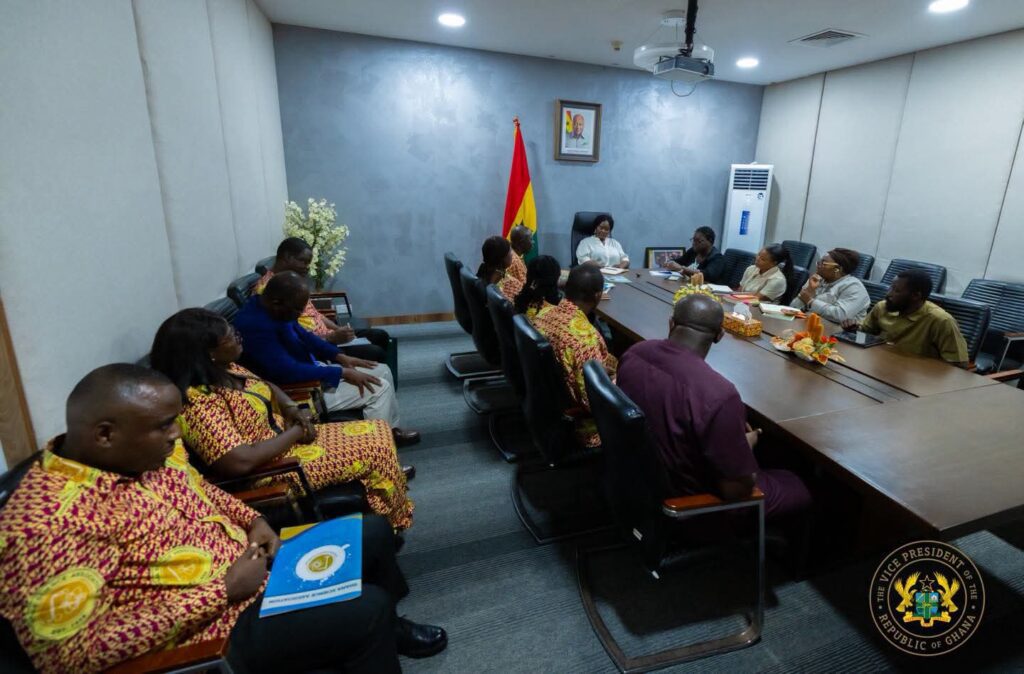
She made these remarks following a high-level meeting with the leadership of the Ghana Science Association, a multidisciplinary body of scientists dedicated to promoting science education, research, and the dissemination of scientific knowledge.
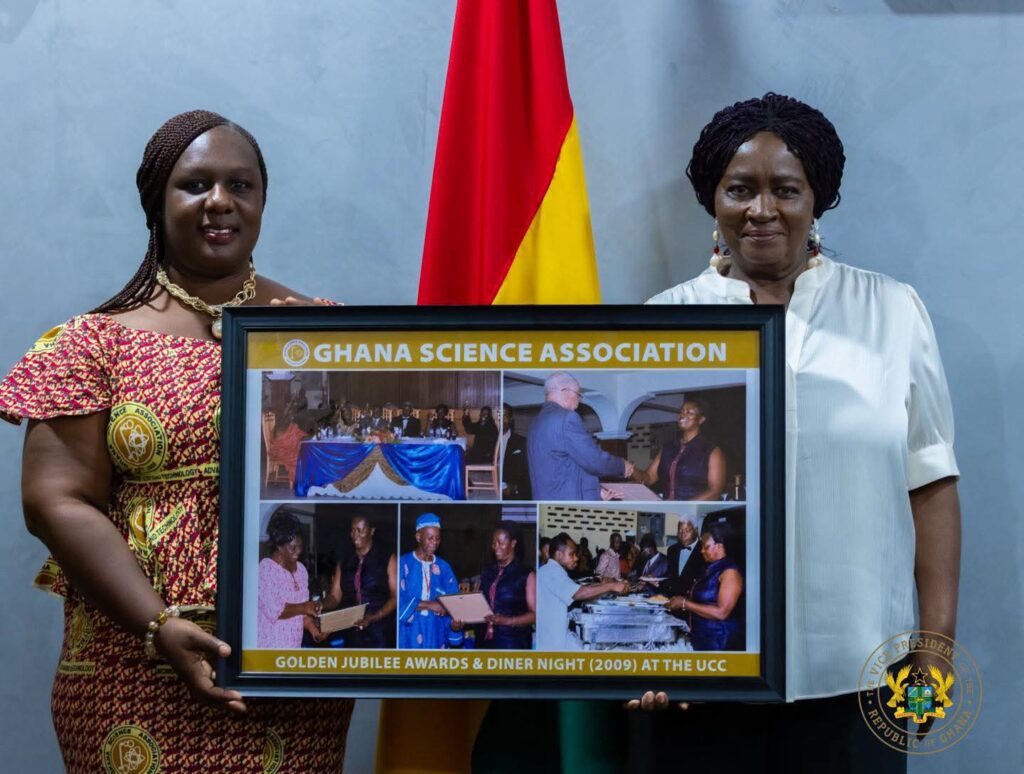
The encounter renewed a longstanding relationship that dates back to her tenure at the Ministry of Education.
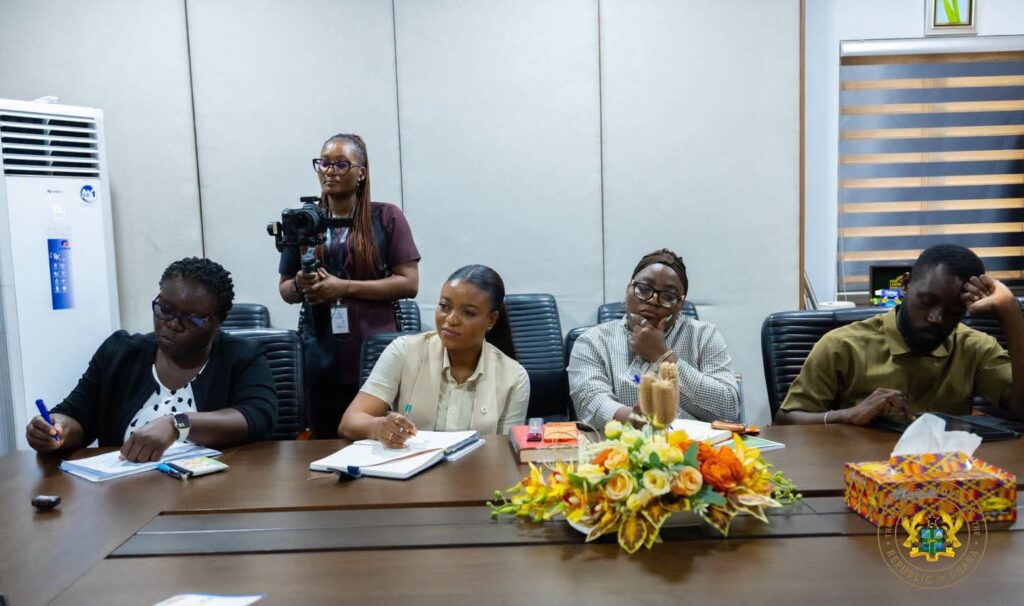
During the engagement, the delegation presented updates on the Association’s ongoing initiatives, including its scientific conferences, workshops, research publications, and programs aimed at training science and mathematics teachers.

Highlighting their commitment to national progress, the representatives expressed their readiness to support the government’s development agenda through research and scientific expertise.
They also briefed the Vice President on their upcoming Blue Economy conference, designed to explore how science can drive the sustainable use of Ghana’s marine resources.
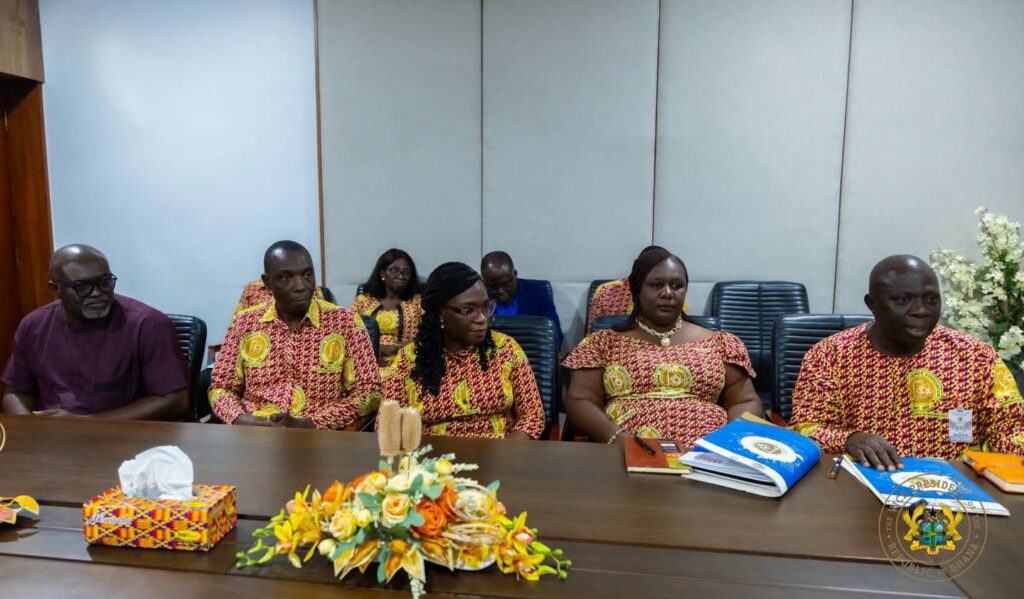
In her response, Prof. Opoku-Agyemang commended the delegation for their work and urged them to maintain an active role in shaping national dialogue around education, development, and research.
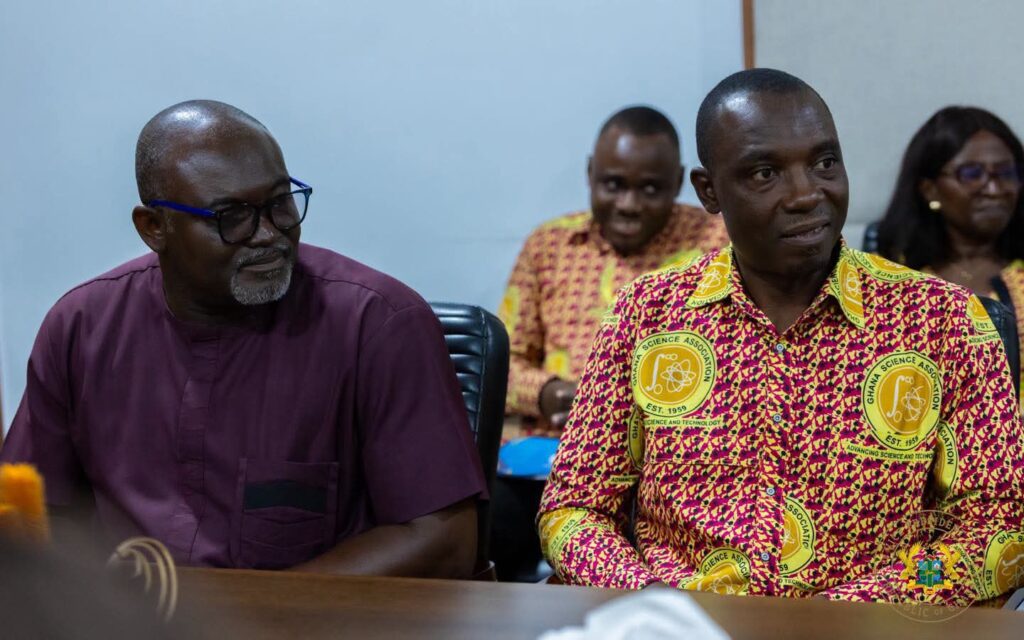
“We need to demystify science and make its teaching practical and relatable,” Prof. Opoku-Agyemang stressed. “Science is not isolated from our everyday lives or from other disciplines, and we must avoid pushing young people into narrow specialisations too early. Our education system should help learners understand concepts and apply knowledge, rather than simply following trends.”
She highlighted the critical role of pedagogy and communication in making technical subjects accessible to students, noting that effective instruction depends heavily on the tools and methods educators employ.
“Language and teaching methods are equally important,” she stated. “We must continually interrogate how science is taught and identify practical approaches that make difficult concepts easier for learners to grasp, while strengthening connections across different forms of education.”
Addressing the groundwork required for long-term reform, the Vice President encouraged the Association to work closely with teacher preparation institutions, specifically focusing on STEM instruction and curriculum development.
“I also encouraged the Association to deepen its engagement with our Colleges of Education, particularly in the training of science and mathematics teachers, and to assess their curricula and teaching methods,” she added. “Ultimately, our approach to science must be directly aligned with the problems our country needs to solve.”

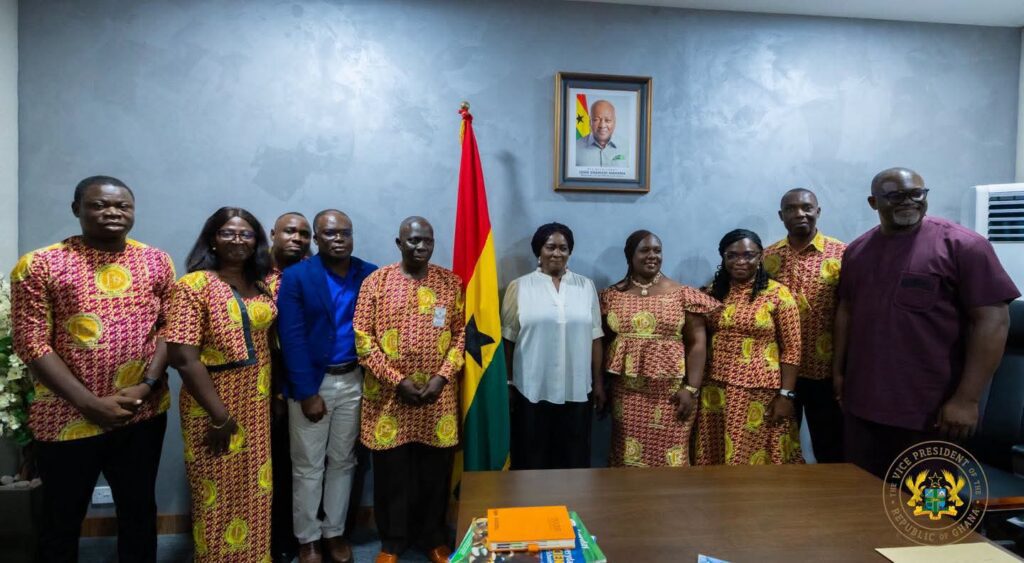
Prof. Opoku-Agyemang assured the delegation that the issues and proposals raised during the discussion had been noted, encouraging the Ghana Science Association to pursue further strategic partnerships to strengthen its overall contribution to Ghana’s scientific and national development.

By: Rainbowradioonline.com/Ghana