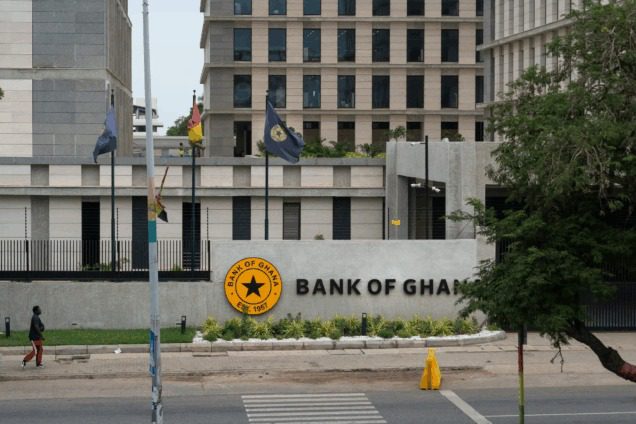
The latest financial statements released by the Bank of Ghana (BoG) reveal a significant reduction in currency issuance costs for 2025, a feat achieved despite a consistent rise in the volume of cash circulating within the economy.
Total issuance expenditure fell sharply from over GH¢1 billion in 2024 to GH¢471.4 million in 2025, a decline primarily driven by a steep reduction in direct production expenses.
Specifically, the cost of printing banknotes and minting coins plummeted by 72%, dropping from GH¢986 million to GH¢277 million year-on-year.
This substantial decrease suggests a deliberate scaling back of physical currency production, likely reflecting improved inventory management, lower replacement demand, or more robust cost-optimisation measures.
However, the broader financial structure presents a more nuanced narrative, as several operational lines recorded increases that tempered these savings. While production expenses declined, agency fees rose marginally to GH¢10.6 million and foreign currency import costs climbed from GH¢14.4 million to GH¢16.5 million.
Most notably, miscellaneous currency-related expenses surged from GH¢14.6 million to GH¢183 million.
This sharp escalation in ancillary costs partially offset the gains made from reduced printing and minting, highlighting underlying pressures in logistics and general currency management.
Despite the contraction in production spending, public appetite for physical tender remained strong. Currency in circulation grew by approximately 17%, rising from GH¢71.6 billion in 2024 to GH¢83.8 billion in 2025.
The Bank of Ghana defines this figure as the total face value of banknotes and coins held by both the public and financial institutions, excluding the cash reserves maintained within the central bank’s own vaults.
By: Rainbowradioonline.com/Ghana