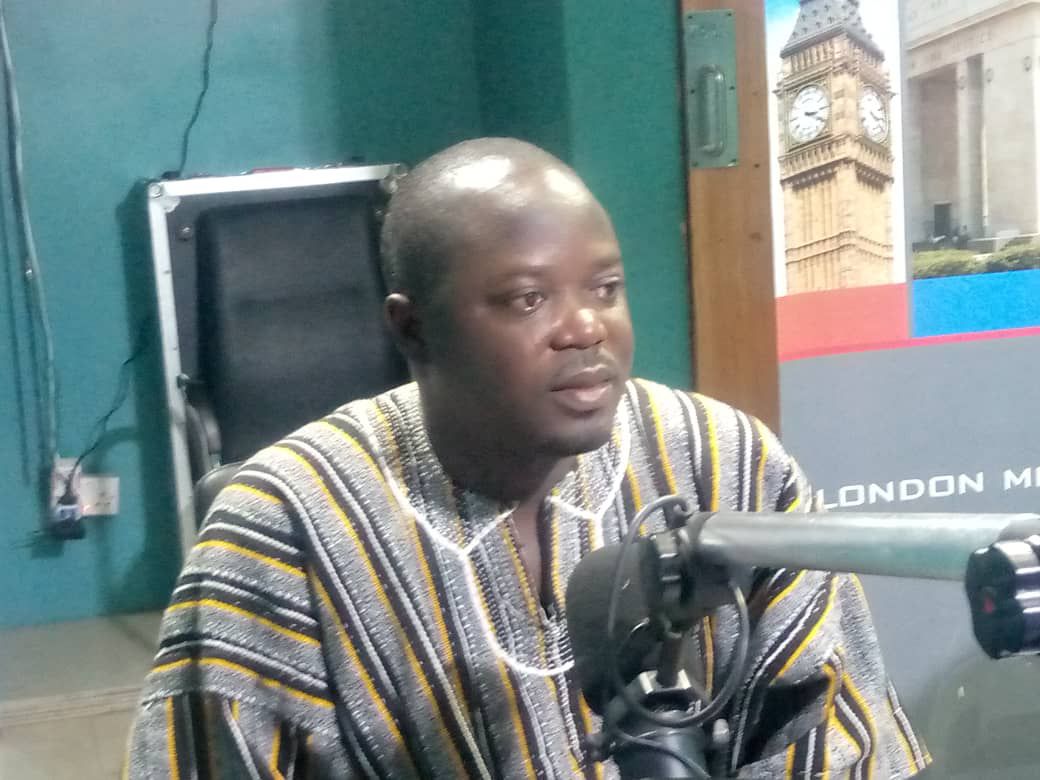
The Executive Director of the Centre for Environmental Management and Sustainable Energy (CEMSE), Mr Benjamin Nsiah, has strongly advocated for the mandatory publication of power purchase agreements within Ghana’s energy sector.
He noted that making these agreements public would allow civil society organisations, policy analysts, and key stakeholders to thoroughly scrutinise contract terms and identify potential irregularities.
Speaking on Nyankonton Mu Nsem on Rainbow Radio 87.5FM, Mr Nsiah stated that public disclosure would ultimately benefit the government. He explained that full transparency ensures citizens remain properly informed, moving away from the current system where crucial details are disclosed only after public outcry.
He further observed that when transparency is lacking, citizens are more likely to bypass legal channels for power consumption. Clear processes, he argued, encourage all stakeholders to act responsibly to ensure the growth and stability of the sector.
According to him, the failure to embrace transparency compromises the ability of Ghanaians to enjoy value for money, while directly breeding corruption, severe revenue losses, and illegal connections.
“The publication of energy agreements is a positive step. It will promote good governance and debt sustainability in the power sector. I say these things because, without transparency, we will continue to witness these high levels of corruption and revenue losses. Without transparency and full disclosures, we will also see sector debts increasing,” he said.
“It will also discourage Ghanaians from making meaningful contributions toward the sector. Whenever tariffs increase, people attempt to evade or dodge paying for the power they consume. This ultimately increases system losses, either through power theft or other commercial-related losses,” he added.
Mr Nsiah was reacting to the recent conviction of Ghanaian-American businessman and former Managing Director of the Tema Oil Refinery, Asante Kwaku Berko.
A federal jury in Brooklyn, New York, convicted Mr Berko on August 6, 2026, for orchestrating a scheme to pay over $1 million in bribes to high-ranking Ghanaian government officials between 2014 and 2017. The bribes were aimed at securing approval and financing for a power plant project for a Turkish energy client.
Mr Berko, a former Goldman Sachs executive, used personal emails, shell companies, and sham invoices to launder the funds. The U.S. Department of Justice led the prosecution, supported by Ghana’s Office of the Special Prosecutor and the FBI.
By: Rainbowradioonline.com/Ghana