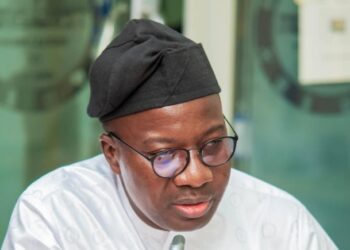
Ministers of state possess no constitutional power to intermeddle in traditional chieftaincy disputes, according to Local Government, Chieftaincy, and Religious Affairs Minister-designate, Mahama Ayariga.
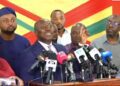
Addressing Parliament’s Appointments Committee during his vetting on Thursday, August 27, the Member of Parliament for Bawku Central underscored the volatile nature of the portfolio, insisting that strict adherence to the law remains non-negotiable.
“One very sensitive area. I think that the first thing everybody has to understand is that no minister of state has the authority under our constitution to interfere or meddle in chieftaincy matters. It’s not the business of a minister to meddle in chieftaincy matters,” he said.
He clarified that both the 1992 Constitution and the Chieftaincy Act restrict the executive’s role to administrative and logistical facilitation on behalf of the President.
“Namely the National House of Chiefs, the Regional House of Chiefs and the traditional councils. That’s what the minister is supposed to do but not to meddle in specific chieftaincy matters,” he explained.
The nominee stressed that judicial authority over chieftaincy conflicts rests exclusively with the Regional Houses of Chiefs, the National House of Chiefs, and the Supreme Court.
“Yours is just to provide a facilitating role if it is needed by either the National House of Chiefs or the Regional House of Chiefs by way of supporting them with resources so that they can adjudicate the cases expeditiously and dispose of them,” he said.
Concluding his submission, the MP pledged total non-intervention if confirmed by Parliament.
“But as minister you have no mandate to go interfering in chieftaincy matters. And that’s exactly how I will approach the work,” he stated.
By: Rainbowradioonline.com/Ghana